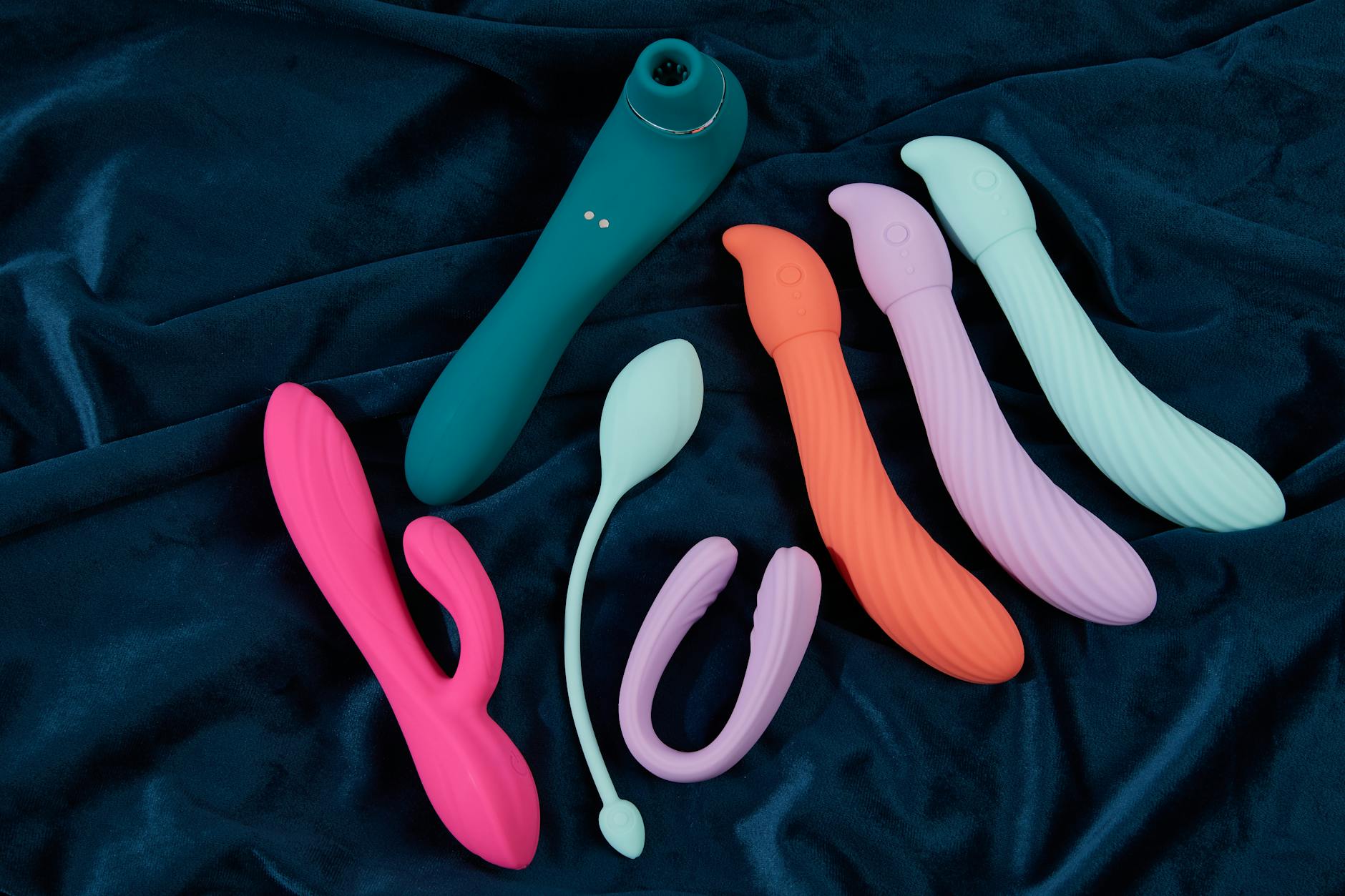
Here's what actually happens to your clitoris after thirty
Let's be real. Something shifts in your thirties and beyond, and it's not just in your head. Your clitoral tissue becomes more sensitive. That vibrator that worked brilliantly at twenty-five? It might feel too harsh, too direct, or weirdly numbing now. That's not dysfunction. That's biology.
The clitoral tissue itself doesn't shrink, but it does change. Collagen distribution shifts, nerve density remains constant but perception sharpens, and the thin tissue covering the glans becomes more responsive to direct pressure. What this means in real terms: sustained direct vibration, which worked before, now feels either overwhelming or strangely deadening. You're not broken. You're more sensitive in a way that requires different tools.
This is where lemon vibrators and suction-based clitoral vibrators enter the picture. They're not just different because they're trendy. They're different because they work with this biological shift, not against it.
Why direct vibration becomes harder to enjoy
Traditional vibrators work through sustained oscillation. The motor delivers vibrations directly to tissue at high frequency, typically 40 to 100+ Hz depending on the pattern. At twenty, this might feel amazing. Your tissues are tighter, your nerve response is younger, and the stimulation creates a clear arousal arc.
By thirty (and especially after), sustained direct vibration does something different. It can numb rather than stimulate. This isn't desensitization in the addiction sense. It's mechanical desensitization. The constant pressure fires your nerves so intensely that they fatigue and temporarily stop responding. You end up pushing harder to feel anything, which creates more numbness. It's a loop.
Second, direct vibration on sensitive tissue can feel sharp or almost painful, especially in the glans clitoridis where nerve endings are densest. Many women describe it as feeling like being shocked or scratched. That's not normal, and you're definitely not alone.
The solution isn't a stronger vibrator. It's a different stimulus altogether.
How suction-based stimulation differs from vibration
Lemon vibrators and other clitoral suction toys use a fundamentally different mechanism. Instead of vibrating, they create gentle suction and release cycles that stimulate the whole clitoral structure, not just the tip.
Think of the difference like this. Vibration is like knocking on a door repeatedly. Suction is like opening and closing the door. One creates direct mechanical pressure. The other creates rhythmic pressure release that engages the erectile tissue inside the clitoral body, not just the surface nerve endings.
When you use a lemon vibrator or similar device, the sensation pulls at the tissue gently, stimulates the clitoral bulb beneath the surface, and creates a broader wave of stimulation rather than a pinpoint shock. This matters because it bypasses the numbing sensation entirely. Your nerves fire more naturally, without the fatigue.
Second, suction can be modulated. You can use it at lower intensities without feeling nothing. With traditional vibrators, the jump between "too gentle" and "too sharp" is often steep. Lemon vibrators have multiple suction patterns and intensities that let you find the sweet spot exactly where your sensitivity is.
The tissue sensitivity factor after thirty
Your skin and mucous membranes change over time. Estrogen levels fluctuate (even before menopause), which affects tissue hydration and thickness. The clitoral glans, which has some of the thinnest and most delicate tissue on your body, responds first to these shifts.
Thicker tissue is more forgiving of rough stimulation. Thinner, more sensitive tissue needs gentler, broader pressure. That's why a lemon clitoral vibrator often feels better. It distributes pressure across a larger surface and doesn't create the sharp, focused pressure that sensitive tissue finds overwhelming.
This is also why lemon vibrators work better than wands for sensitive clitoral tissue. Wand vibrators deliver intense oscillation to a flat head. Lemon vibrators, by contrast, cup and stimulate from multiple angles.
Arousal speed and the sensitivity link
Here's something unexpected. After thirty, arousal often takes longer to build. That's not just about desire. It's partly about how your nervous system responds to stimulation. If your first five minutes of foreplay involve a vibrator that numbs you, you're starting from a hole.
With a lemon vibrator when arousal takes longer to build, the opposite happens. The suction-based stimulation wakes up your tissue without deadening it. You actually feel the early stages of arousal more clearly. This means you can build intensity gradually instead of jumping straight to maximum settings and still feeling nothing.
Many women in their thirties and beyond report that they finally understand their arousal again once they switch to suction-based clitoral toys. Not because they're better in an abstract sense, but because they match their actual tissue sensitivity.
What happens if you keep using traditional vibrators
I'm not saying traditional vibrators are bad. But if you're experiencing numbness, pain, or a feeling that nothing works anymore, continuing with what isn't working creates frustration and, eventually, doubt about your own capacity for pleasure.
Some people adapt to harsh stimulation by needing more and more intensity. Others give up. Both paths lead away from pleasure. The third path, which fewer people consider, is switching tools.
Lemon vibrators are designed with this tissue sensitivity in mind. They're not a "next level" toy for advanced users. They're a better match for how your body actually responds after thirty.
The lube question when tissue is sensitive
Sensitive tissue also benefits from lubrication in ways it might not have when you were younger. Water-based lube reduces friction and creates a buffer between the toy and your tissue. With suction toys like a lemon clitoral vibrator, lube helps the cup seal better, which actually improves the suction sensation.
Many women find that adding lube not only feels better but also means they can use the vibrator for longer without any irritation. It's worth experimenting with different formulations. Some feel slippery and reduce sensation. Others feel more neutral or even slightly tacky, which can feel better with suction toys.
When to explore suction-based alternatives
If any of these sound like you, a lemon vibrator might be worth trying.
You feel numb after a few minutes of vibration. You experience sharp or electrical sensations that aren't pleasant. Traditional vibrators require maximum intensity to feel anything. You find that less direct contact feels better than direct stimulation. You've noticed your arousal pattern changing and want a toy that matches where you are now, not where you were at twenty-five.
None of these mean something is wrong with you. They mean your tissue is responding the way it naturally does, and you deserve a tool that works with that response, not against it.
Frequently asked questions
Why do lemon vibrators feel less intense than wand vibrators?
Intensity is subjective, but the mechanism is different. Wands deliver sustained, high-frequency vibration to a flat surface, creating sharp peaks of stimulation. Lemon clitoral vibrators use suction and release cycles, which feel broader and less pointed. Many people with sensitive tissue experience suction as more intense in a pleasurable way, even at lower power settings, because it engages more nerve endings without the numbing effect.
Can I still use my old vibrator if I switch to a lemon toy?
Absolutely. Many people find that rotating tools keeps sensation fresh. You might use a wand or bullet when you want sharper, faster stimulation, and a lemon vibrator for longer sessions or when your tissue is extra sensitive. There's no rule that says you need only one toy.
Does tissue sensitivity change permanently after thirty?
It shifts, yes, but it's not a one-way door. Hormonal fluctuations, stress, sleep, and hydration all affect tissue sensitivity week to week. What feels overwhelming this month might feel perfect next month. The key is having a range of tools that work at different sensitivity levels so you're never stuck.
Is a lemon clitoral vibrator the same as a suction toy?
Lemon vibrators and other air-suction toys operate on the same principle, though lemon vibrators have their own specific design. They all create gentle suction and release rather than traditional vibration. Brands vary in intensity range and pattern variety, but the core mechanism is similar across the category.
Why didn't my gynecologist mention this shift in sensitivity?
Most medical education doesn't cover the nuanced changes in clitoral tissue sensitivity that happen in your thirties and beyond unless they're tied to menopause or hormonal conditions. It's not that doctors don't know. It's that sexual pleasure isn't always part of routine health conversations. This is worth bringing up if you're experiencing pain or numbness during sex.
What if suction toys don't feel good to me?
Then they're not your tool. Pleasure is personal. Some people find suction-based clitoral vibrators life-changing. Others prefer traditional vibration and need to adjust other factors like lube, intensity level, or stimulation pattern. The point is having choices and permission to experiment without shame.
The bigger picture
Your body after thirty isn't a downgrade. It's a different configuration. The tools that worked at twenty-five might genuinely be the wrong fit for the tissue and nervous system you have now. That's not failure. That's information. Lemon vibrators and suction-based clitoral toys exist because real people with real tissue sensitivity needed something different. If that sounds like you, you're not alone, and the solution is simpler than you might think: a tool that works with your actual sensitivity instead of against it.
Want to talk through what might work best for your body? We're here to help. Reach out anytime.