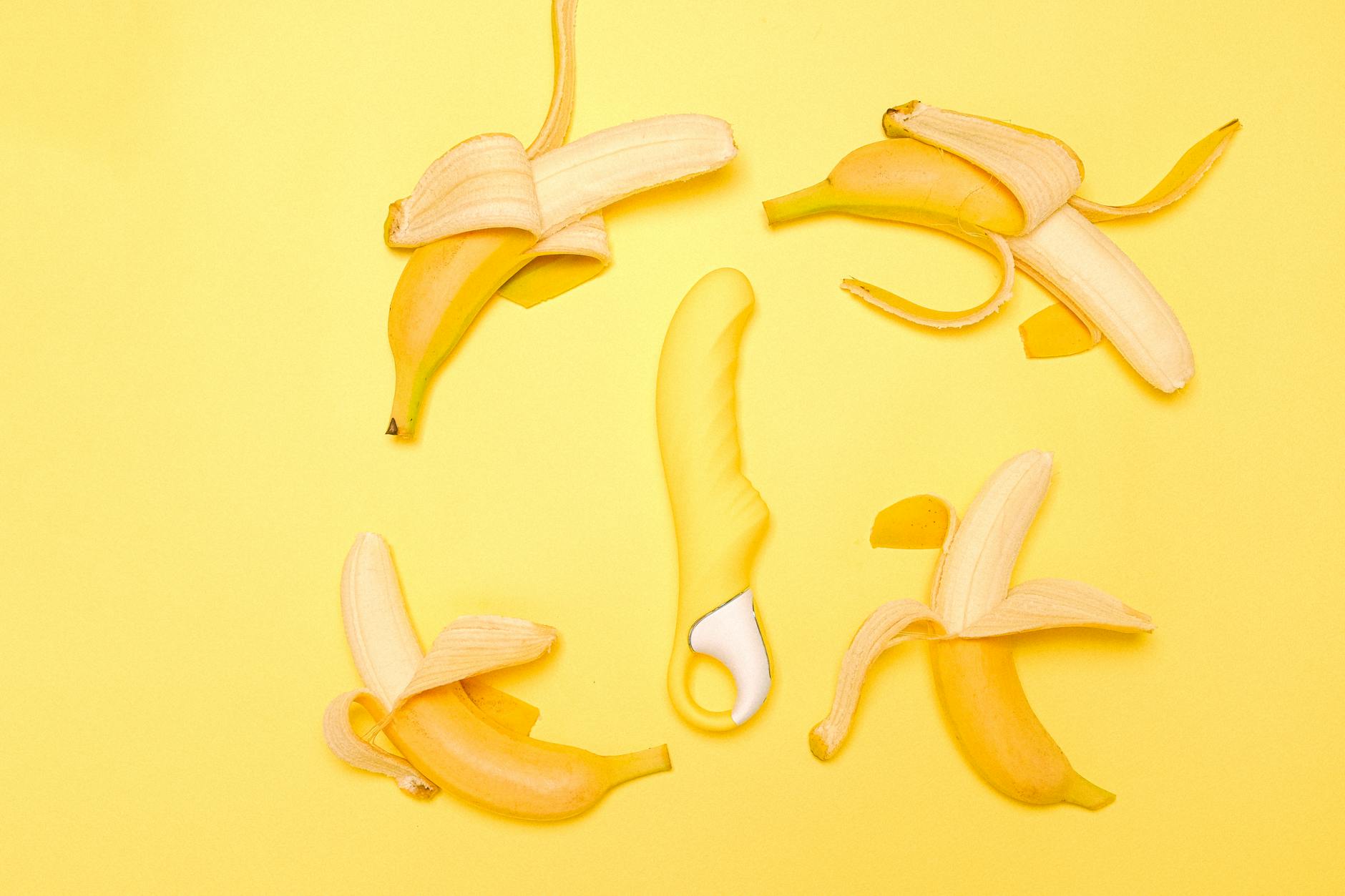
Why Lemon Vibrators Work Better When You're Using Hormonal Contraception
Let's be real. Nobody warns you that the pill, patch, or ring that prevents pregnancy might also blunt the exact sensation you're trying to feel. It's not a side effect they advertise. But it's real, it's common, and if you've noticed your body responding differently since you started hormonal contraception, you're not imagining it.
Here's what's actually happening, why it matters, and what lemon vibrators do differently.
The hormonal shift that changes everything
Hormonal contraception works by suppressing your natural estrogen and testosterone cycles. That's the whole point. But those hormones do more than prevent pregnancy. They directly influence blood flow to the clitoris, vaginal lubrication, and how sensitively your nerve endings respond to touch.
When you're on the pill, patch, implant, or shot, your hormone levels stay artificially steady. That steadiness prevents ovulation and pregnancy. It also means your clitoral tissue gets less blood flow than it does during a natural cycle. Less blood flow equals less engorgement, less sensitivity, and a longer time to reach arousal.
Testosterone is the bigger player here. Women produce it in small amounts, and it's a major driver of desire and clitoral sensation. Hormonal contraception reduces testosterone production. Studies show drops of 20 to 50 percent depending on the type of birth control. That's not a tiny thing. It's enough to change how your body feels.
What this feels like in practice
Most people describe it as numbness. Not pain, not dysfunction. Just... less. Touch that used to feel electric now feels like a mild tingle. Orgasms take longer to arrive, if they arrive at all. Lubrication is lighter. The window between "starting to feel something" and "actually close to coming" gets wider.
You might notice this immediately when you start hormonal contraception. Some people adapt within three months. Others have been on the pill for five years and never realized the blunting wasn't normal.
Here's the thing that matters: this isn't a reflection of your body's capacity. You haven't lost the ability to feel pleasure. Your nervous system hasn't changed. You're just working with a smaller baseline of sensitivity, which means regular vibration patterns become less effective.
Why standard vibrators don't adapt well
Most clitoral vibrators use traditional vibration. They buzz at a consistent frequency, usually between 50 and 10,000 hertz, depending on the toy. That works beautifully when tissues are engorged and nerves are firing at baseline sensitivity. But when hormonal contraception has dampened sensation, consistent vibration often feels like white noise on muted volume.
You can turn up the intensity, but that usually leads to overstimulation or numbness. You can use it longer, but fatigue sets in. Neither of those is the answer.
Lemon clitoral vibrators, particularly the suction-based design, work on a different principle. Instead of traditional vibration, they use gentle pulsing suction. This creates a pattern of pressure and release that stimulates the clitoral structure without relying on high-frequency buzzing.
Why does this matter for people on hormonal contraception? Because suction works with tissue density, not against it. It doesn't require maximum engorgement to feel effective. It activates a different type of nerve ending. For people experiencing reduced sensitivity from hormonal birth control, a lemon vibrator often feels more substantial and engaging than a standard vibrator, even at moderate intensity settings.
The pattern that reconnects you
Lemon vibrators use a rhythmic pulse pattern rather than steady vibration. This is significant. Research on touch sensitivity shows that pulsing patterns activate more nerve fibers than constant stimulation does. For someone on hormonal contraception with reduced baseline sensitivity, that pattern difference is noticeable immediately.
The pulsing also creates a kind of "reminder" effect. Each pulse is a distinct sensation, not a continuous hum. Your brain registers more input from each motion. You're essentially getting more sensory data from the same amount of physical stimulus.
Many people report that they feel the pattern more clearly than they would feel traditional vibration. That clarity makes it easier to build arousal intentionally rather than waiting passively for sensation to arrive.
Adjusting your approach while on hormonal contraception
If you're using hormonal contraception and noticing reduced sensitivity, these changes make a real difference:
Start with longer foreplay. Your body needs more time to build engagement. Twenty to thirty minutes of touch, oral, or manual stimulation before introducing a lemon vibrator gives your tissues time to respond. This isn't about doing more work. It's about creating the conditions where sensation can build.
Use water-based lubricant even if you think you don't need it. Hormonal contraception often reduces natural lubrication. Adding external lube reduces friction, makes sensation smoother, and allows more nuanced feeling. It's not a workaround for a broken body. It's a tool that works with what's happening.
Explore lower intensity settings first. Many people on hormonal contraception jump to high intensity because they assume they need it to feel anything. Often the opposite is true. Moderate intensity with a longer session creates more sensation than high intensity for five minutes.
Track your cycle if possible. If you're on a pill with a hormone-free week, you might notice your sensitivity shifts slightly during that window. That's real. If you're on a hormone-only method like the implant or shot, sensitivity stays more consistent but generally lower. Knowing this helps you adjust expectations rather than blame yourself.
When to consider talking to your doctor
If reduced sensation started right when you began hormonal contraception, that connection is worth documenting. You have options. Different birth control methods suppress hormones to different degrees. The pill suppresses testosterone less than some other methods. The copper IUD doesn't affect hormones at all.
Switching methods isn't always practical or necessary. Many people adjust to reduced sensitivity and find solutions that work well enough. But if it's significantly affecting your quality of life, mentioning it to your GP or gynecologist opens conversations about alternatives.
Some people ask about adding testosterone therapy while on hormonal contraception. This is controversial, less widely offered in the US than elsewhere, and not routinely recommended. But it's something a menopause or sexual health specialist might explore if reduced desire is severe.
The point is this: reduced sensation while on hormonal contraception is not a character flaw. It's a predictable physiological response. Acknowledging it and adjusting your approach, whether that's adding lube, extending foreplay, using tools like a lemon vibrator, or considering different contraception, is practical and grounded.
The pleasure you have access to is still there
Hormonal contraception doesn't erase your capacity for pleasure. It dampens the signal. A lemon vibrator, with its distinctive suction pattern and pulsing rhythm, works with that dampened signal in ways that standard vibration often doesn't. You're not overcoming a deficit. You're using a tool that fits your current physiology.
Many people who've struggled with sensation while on hormonal contraception report that a lemon clitoral vibrator finally makes sense in their body. Not because something was broken. Because the right approach matches the current state of their nervous system.
If you've noticed your pleasure changing since you started contraception, that's not something to accept quietly. It's something to work with intentionally.
People also ask
Does hormonal birth control permanently reduce clitoral sensitivity?
No. Sensitivity usually returns to baseline after you stop hormonal contraception. Some people notice changes within weeks. Others take a few months as hormone levels fully regulate. If sensitivity doesn't improve three to six months after stopping birth control, that's worth discussing with a doctor, as other factors might be involved.
Can I use a regular vibrator instead of a lemon vibrator while on hormonal contraception?
You can try. Many people find standard vibrators less effective when sensation is dampened by hormonal contraception. The suction-based pattern of lemon vibrators often feels more substantial and easier to feel. But everyone's nervous system is different. If a standard vibrator works for you, that's perfectly fine.
Will a lemon vibrator help if I'm on antidepressants too?
Antidepressants also affect sensation and arousal. If you're on both hormonal contraception and an SSRI antidepressant, you're dealing with a double dampening effect. A lemon vibrator can help in this scenario, but you might also benefit from discussing your medications with your doctor. Sometimes switching timing or adjusting dose makes a difference.
Is it normal to feel numb with a vibrator while on the pill?
Feeling like you're not registering sensation clearly, even with a vibrator, is a common experience while on hormonal birth control. It doesn't mean something is wrong with you. It means you're working with reduced baseline sensitivity. A lemon vibrator's pattern often registers more clearly than traditional vibration would. If you still feel nothing after adjusting your approach, that's worth mentioning to your doctor.
Should I switch birth control if I'm noticing reduced pleasure?
That depends on how much reduced pleasure is affecting you and what other factors are involved. If you like your current contraception and the sensation shift is manageable, many people adapt and find solutions. If it's significantly impacting your quality of life, talking to your GP about alternatives is reasonable. Different methods suppress hormones differently. Your doctor can help you weigh the tradeoffs.
How long does it take to adjust to reduced sensation from hormonal contraception?
It varies widely. Some people adapt within three months. Others take six months or longer. Some people never fully adapt and find external tools like a lemon vibrator necessary. The timeline also depends on which method of contraception you're using and your individual neurology. Patience and experimentation matter more than a strict timeline.
The bottom line
Hormonal contraception is a genuinely valuable tool. It prevents pregnancy, regulates periods, and reduces risk of certain cancers. The sensation shift it creates isn't a reason to stop using it if it's right for you otherwise. But it is something worth understanding and adapting to intentionally.
A lemon vibrator works better for many people on hormonal contraception because its pulsing suction pattern activates sensation differently than traditional vibration. It's not magic. It's physiology meeting tool design. Understanding that difference gives you permission to stop blaming your body and start working with it instead.
Your pleasure matters, even while preventing pregnancy. That's not selfish. That's just realistic about what you deserve.