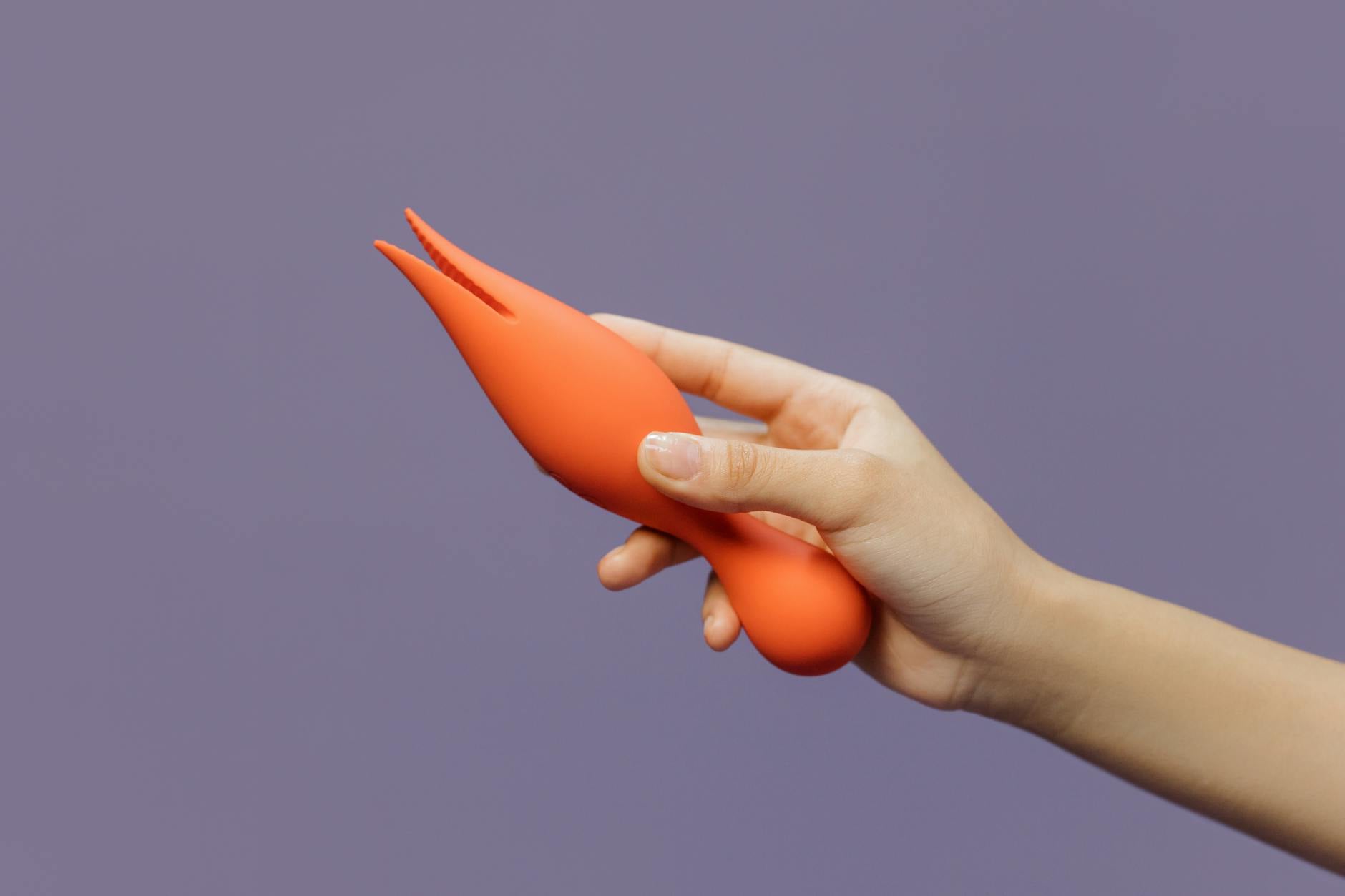
How to Use Lemon Vibrators When You're Recovering From Pelvic Floor Tension
Let's be real. You probably didn't realize you were holding tension in your pelvic floor until something felt off during sex. Maybe it was tightness. Maybe pain. Maybe just a sense that your body wasn't responding the way it used to. And now you're wondering if pleasure is even possible while you're in recovery, or if using a vibrator like a lemon clitoral vibrator is going to make things worse.
Here's the thing: the pelvic floor is a muscle group. Like any muscle, it can hold stress, get fatigued, or tighten protectively. The good news is that pelvic floor tension doesn't mean you're broken. It means your body is doing exactly what bodies do when they're stressed, anxious, or guarding against pain. And with the right approach, lemon vibrators can actually be part of the recovery toolkit.
I've worked with hundreds of people navigating this exact scenario, and the ones who understand how their pelvic floor works tend to recover faster and with way less shame attached.
What pelvic floor tension actually is
Your pelvic floor is a sling of muscles that supports your bladder, uterus or prostate, and rectum. When these muscles are healthy, they contract and relax easily. Tension happens when they stay partially contracted even when you're trying to relax. It's like a muscle cramp that won't fully release.
Why does this happen? Usually it's one of several things: chronic stress, trauma (sexual or otherwise), anxiety, repetitive holding patterns, or physical strain from childbirth, surgery, or intense exercise. Sometimes it's a combo. Sometimes the cause is mysterious. What matters is recognizing that tension here makes pleasure harder because your body can't fully relax into sensation.
The tricky part is that tension often creates more tension. Pain or discomfort triggers guarding (your body protecting itself), which tightens the muscles further, which makes sensation feel sharper or more uncomfortable, which makes you guard more. It's a loop. Breaking that loop requires patience and the right stimulation.
Why lemon vibrators are actually helpful during recovery
You might think that avoiding vibration entirely is the safest bet. It's not. Gentle, consistent vibration can actually help retrain your pelvic floor by teaching it that sensation doesn't have to mean pain or danger.
Here's the mechanism: vibration bypasses some of the protective guarding response. When you use a lemon clitoral vibrator thoughtfully, you're sending your nervous system a message that gentle pleasure is possible and safe. This gradually resets the tension pattern.
Lemon vibrators work particularly well for pelvic floor recovery because they offer precise, non-invasive stimulation. You're not dealing with pressure from penetration or the friction that can exacerbate tension. You're working with gentle suction and vibration that can be calibrated to whatever your body needs right now.
Starting with minimal intensity
If you're recovering from pelvic floor tension, aggressive stimulation is counterproductive. You're essentially re-sensitizing your nervous system to pleasure. That takes a lighter touch than you might think.
With a lemon vibrator, start at pattern 1 or 2. Seriously. Your first few sessions aren't about reaching orgasm. They're about reclaiming the sensation that pleasure is possible without triggering pain or tightness. Spend 10-15 minutes exploring what feels like gentle notification rather than intense demand.
Many people find that the lowest settings on a lemon clitoral vibrator create a kind of rhythmic awareness that helps the pelvic floor relax rather than contract. You're basically teaching the muscles that they can stay open while receiving stimulation. This is foundational work, and it matters more than chasing intensity.
The breathing-and-relaxation piece
Here's what most guides skip: your pelvic floor is heavily influenced by your nervous system. If you're holding your breath or tense in your shoulders, your pelvic floor will follow. Recovery requires integrated relaxation.
When you're using a lemon vibrator during recovery, pair it with intentional breathing. Inhale slowly through your nose for a count of four. Exhale through your mouth for a count of six. The longer exhale activates your parasympathetic nervous system, which is the only state where true pelvic floor relaxation happens.
Between vibrator sessions, also work on releasing tension in your thighs, glutes, and lower abdomen. Tight muscles anywhere in that region create a chain reaction of tension in the pelvic floor. Gentle stretching, foam rolling, or just conscious relaxation helps.
Building duration gradually
One of the biggest mistakes people make during pelvic floor recovery is doing too much too soon. Using your lemon clitoral vibrator for 40 minutes because you're excited about exploring again will set you back. The pelvic floor gets fatigued just like any muscle.
Start with 10-15 minute sessions, twice a week. After a week or two, you can extend to 20 minutes if your body feels responsive and there's no pain or increased tightness afterward. Pay attention to how you feel the next day. If there's aching, soreness, or increased tightness, you did too much. Dial it back.
Gradual progression isn't boring. It's actually the fastest route to recovery because you're building sustainable sensation without triggering protective responses. You're retraining your nervous system to trust pleasure again.
Positioning for comfort and access
When you're recovering from pelvic floor tension, how you position your body matters a lot. Tight, clenched positions amplify tension. Open, relaxed positions help your pelvic floor stay accessible.
Try reclining or lying on your back with a pillow under your head and another under your knees. This takes pressure off your lower abdomen and allows your pelvic floor to fully relax. Some people find that sitting with legs open wide (supported on cushions if you need them) works better. Experiment and find what lets your body feel genuinely open rather than braced.
Avoid lying face-down or sitting with legs tightly crossed. These positions naturally encourage pelvic floor contraction, which is the opposite of what you're trying to achieve during recovery.
What to do if you feel pain or increased tightness
Pain during recovery work is not a badge of honor. It's information. If using your lemon vibrator causes sharp pain, cramping, or any sensation of increased tightness, stop immediately. You're triggering the guarding response rather than releasing it.
Pain often means one of three things: you're using too much intensity, you're pushing too hard or too fast, or you're working against an emotional or nervous system barrier that needs attention first. Consider backing off for a few days. Then try again at a lower setting, for shorter duration, with more focus on breathing and relaxation.
If pain persists even with gentle use, see a pelvic floor physical therapist. Tension severe enough to block pleasure sometimes needs hands-on treatment or additional support. That's not failure. That's being smart about recovery.
Incorporating your partner (or not)
Recovery from pelvic floor tension can feel isolating, especially if you have a partner and you're worried about pressure or judgment. Here's what helps: clarity about what's happening and consent about the process.
If you're partnered, you don't have to invite them into your recovery work. Solo exploration with your lemon clitoral vibrator while you're learning what feels good is totally valid. Some people find that the non-judgment of solo play makes it easier to explore without triggering anxiety.
If you do want to include a partner, the key is communication. Tell them this is recovery work, not foreplay with a specific endpoint. You're mapping sensation and teaching your body to relax, not working toward orgasm (though that might happen eventually). A supportive partner can offer physical presence—just being near you while you explore—without needing to be directly involved.
When to bring in professional support
Pelvic floor tension can sometimes have roots in emotional or relational patterns. If you noticed your tension ramped up after a period of stress, relationship conflict, or after something difficult happened, professional support can accelerate recovery.
A pelvic floor physical therapist can assess whether you're dealing with pure muscular tension or something more complex. A sex therapist or counselor can help if tension is tied to anxiety, past trauma, or relational dynamics. You don't need to solve everything to start using lemon vibrators, but getting support alongside your recovery practice often helps.
The timeline for recovery
Pelvic floor tension didn't develop overnight. Recovery usually takes longer than you'd like it to. Most people notice meaningful improvement in 4-8 weeks of consistent, gentle work. Full return to uninhibited pleasure sometimes takes 3-6 months depending on how severe the tension was.
This isn't discouraging. It's actually good news. It means you don't have to be perfect or push hard. Gentle, consistent work over weeks creates lasting change. Think of it as rebuilding trust with your own body.
People Also Ask
Can I use a lemon vibrator if my pelvic floor is extremely tight?
Yes, but start conservatively. An extremely tight pelvic floor needs very gentle stimulation—the lowest settings on a lemon clitoral vibrator—combined with breathing and relaxation work. If you're in active pain, see a pelvic floor physical therapist first. They can give you a baseline and help you understand whether you're ready for vibration yet or if you need some manual release first.
Does orgasm make pelvic floor tension worse?
Not necessarily. A healthy orgasm actually releases pelvic floor tension because the muscles contract and then fully relax afterward. The problem is that if your pelvic floor is in protective tension, reaching orgasm might feel impossible or painful. During recovery, focus on sensation and relaxation rather than the endpoint of orgasm. Orgasms will come back naturally as tension releases.
How is pelvic floor tension different from pelvic pain syndrome?
Pelvic floor tension is muscular tightness that you might feel as stiffness or difficulty relaxing. Pelvic pain syndrome (or myofascial pelvic pain) involves ongoing pain that persists even when muscles are relaxed and often has neuropathic components. If your pain doesn't improve with gentle relaxation work in a few weeks, or if it's severe, get evaluated by a specialist. Tension recovery and pain syndrome need different approaches.
Is it normal for my pelvic floor to feel more relaxed after using a lemon vibrator?
Completely normal. Gentle vibration and the parasympathetic activation that comes with pleasure help muscles release. You might notice your pelvic floor feels more relaxed the next day too. That's the recovery process working.
Can stress make pelvic floor tension come back?
Yes. The pelvic floor is directly linked to your nervous system. High stress, anxiety, or relational tension can trigger holding patterns again. Once you've recovered, maintaining a regular practice with your lemon clitoral vibrator—even just occasionally—helps keep your pelvic floor supple and responsive.
What if I feel like I'm not making progress?
Progress in pelvic floor recovery isn't always linear. Some weeks feel great. Some weeks feel stuck. If you're genuinely plateauing for more than 3-4 weeks, consider adding professional support—physical therapy, therapy for underlying anxiety, or both. Sometimes the body needs more than vibration alone.
The bottom line
Pelvic floor tension is real, it makes pleasure harder, and it's absolutely recoverable. Using lemon vibrators thoughtfully during recovery—with attention to intensity, duration, breathing, and relaxation—helps retrain your nervous system that pleasure is safe and possible.
Your body isn't broken. It's just protecting itself. Gentle, consistent work with the right tools helps it learn to relax again. Start low, go slow, and trust the process. If you have questions about what's right for your body specifically, reach out to a pelvic floor specialist or therapist.
For more on rebuilding sensation and pleasure after body changes, check out our guides on how to use lemon vibrators when you want to rebuild sensitivity after numbness and how to use lemon vibrators when direct clitoral contact causes discomfort. You're not alone in this.