Let's talk about the pain nobody mentions
Direct clitoral stimulation shouldn't hurt. But for a lot of people, it does. The tissue around the clitoris is incredibly sensitive, and when it's irritated, inflamed, or just plain overstimulated, even light touch can feel sharp or raw. If you've been white-knuckling through sex or avoiding self-pleasure because direct contact stings, you're not alone. And you're not broken.
The good news: suction-based clitoral vibrators like Lemon vibrators work in an entirely different way. Instead of vibrating directly against tissue, they create a gentle seal and pulse rhythmically. It's indirect stimulation. For many people with clitoral pain or hypersensitivity, this feels like discovering pleasure all over again.
Why direct vibration can feel painful
The clitoris has roughly 8,000 nerve endings packed into a tiny area. When those nerves are inflamed, overstimulated, or dealing with friction, they fire pain signals instead of pleasure ones. Several things can cause this:
Tissue irritation from vigorous masturbation or rough partnered sex leaves the area swollen and tender. Hormonal shifts, especially during your cycle or after menopause, can thin the skin and make nerve endings feel exposed. Yeast or bacterial infections inflame everything, and even after they're gone, the tissue stays sensitive for weeks. Medication side effects, especially antidepressants or antihistamines, can dull sensation and make you press harder without realizing it, which then causes pain. Pelvic floor tension sometimes manifests as clitoral pain because the muscles and nerves are all connected.
In other cases, the clitoris itself is just wired that way. Some people's clitorises are naturally more reactive to direct pressure. That's not a flaw. It's information about what your body needs.
How Lemon vibrators approach stimulation differently
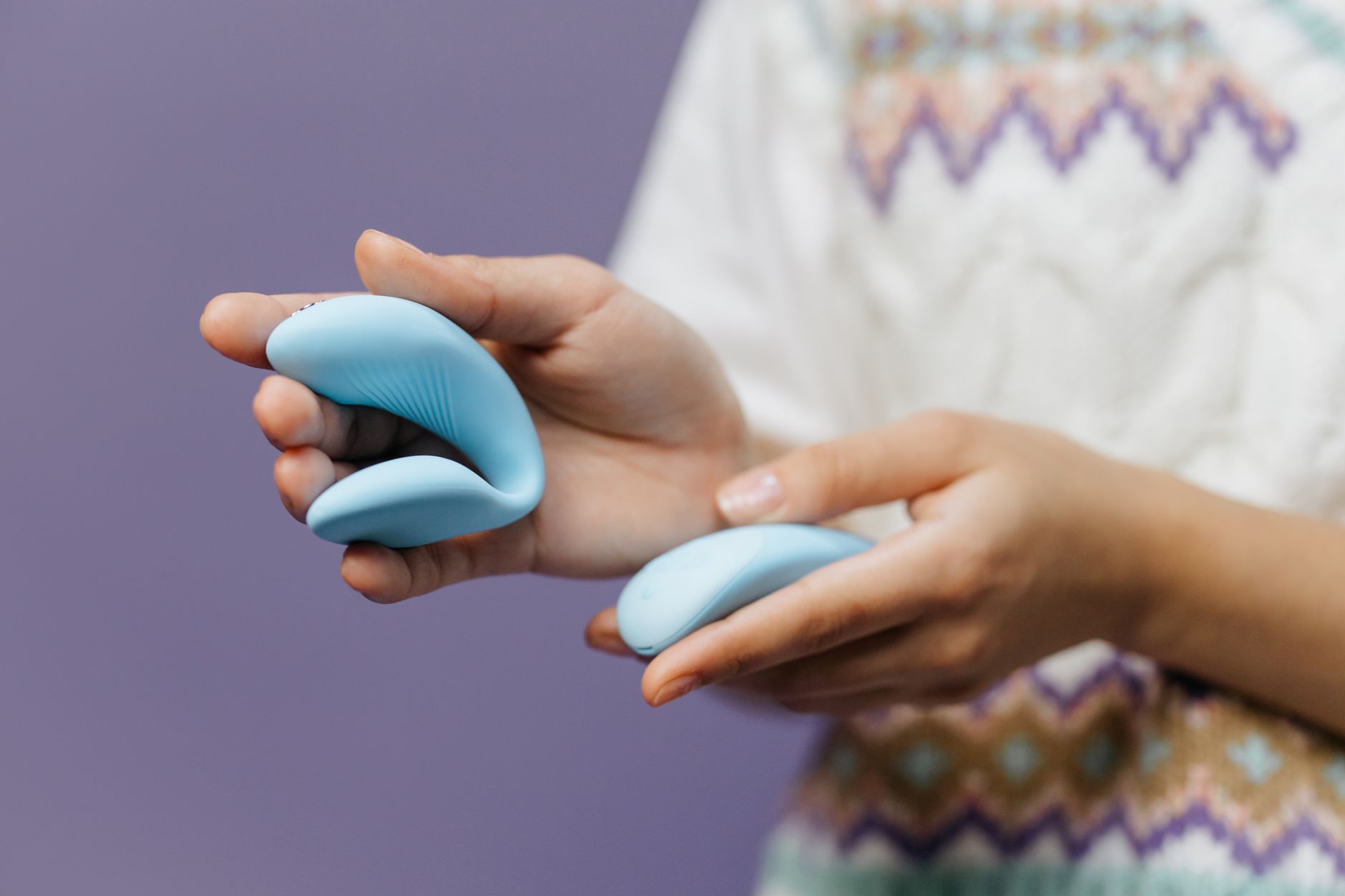
A traditional vibrator buzzes directly against tissue. A Lemon clitoral vibrator, and others like it, uses suction technology. Here's the difference:
The device creates a seal around the clitoral area, then pulses gently. Instead of vibration traveling through tissue, you feel a rhythmic pressure and release. It's almost like a soft massage rather than a buzzing sensation. The stimulation is diffused across a wider area, so no single nerve cluster bears the full intensity. You're getting clitoral pleasure without direct friction or hard contact.
This matters because suction-based stimulation can feel amazing for people whose clitorises are sensitive, irritated, or just prefer indirect pressure. You get intense sensation without the sharp, raw feeling of direct vibration.
The practical setup for pain-free pleasure
If direct contact has been uncomfortable, switching to a Lemon vibrator requires a small adjustment in expectations and technique. Here's what actually works:
Start with the lowest suction setting. Even if you think you can handle intensity, begin low. Your nerve endings are already firing in response to irritation. Adding aggressive suction on top of that defeats the purpose. Spend at least 3-5 minutes at setting 1 or 2 before moving up. You can always increase. You can't undo overstimulation mid-session.
Position the device carefully. The seal should cover the entire clitoral area, not just the tip. This spreads the suction pressure. If it's positioned too tightly on the sensitive top part of the clitoris, you'll still feel sharp sensation. A bit lower, creating a gentle seal over the whole region, usually feels better.
Use water-based lubricant around the seal area. This helps the device sit comfortably and prevents skin friction. Even a small amount makes a difference. It's not about needing lubrication for arousal. It's about reducing any micro-friction that could irritate already-sensitive tissue.
Limit sessions to 10-15 minutes when you're starting. Stimulation, even gentle suction, can cause tissue swelling if overdone. Short, frequent sessions are better than one long marathon. Your clitoris needs recovery time, especially if it's been dealing with pain.

Photo by cottonbro studio on Pexels
When to pause and see a professional
If pain persists despite gentler technique, something else is happening. Clitoral pain can point to dermatological issues, persistent infections, nerve irritation from conditions like pudendal neuralgia, or hormonal imbalances. A gynecologist who takes sexual pain seriously can run tests, rule out infections, and sometimes recommend topical treatments that change everything.
If the pain is sharp and sudden, stop immediately. Don't push through. Your body is sending a signal. Sharp pain is different from the mild discomfort of getting used to suction. Sudden pain needs professional evaluation.
Some people find that low-dose topical estrogen cream or hydrocortisone helps clitoral pain, especially when it's linked to thinning tissue or inflammation. It's worth asking your doctor. These treatments are applied topically, not systemically, so the risk profile is different from oral hormone therapy.
Partnered pleasure with sensitivity in mind
If you're with a partner, direct clitoral pain can make partnered sex complicated. You want stimulation, but direct touch feels wrong. Here's where Lemon vibrators change the dynamic:
You can use a clitoral vibrator during partnered sex without feeling like you're replacing your partner. In fact, your partner can be involved. They can control the device, watch your responses, adjust based on what you tell them. It becomes collaborative instead of feeling like compensation.
Talk about it first, though. "My clitoris has been sensitive. Gentle suction feels amazing, direct touch doesn't." is a complete sentence. Most partners respond well to clarity. What they struggle with is ambiguity. Tell them what you need and you'll usually get it.
If your partner is accustomed to more direct stimulation, frame it as a new preference you've discovered, not a problem with them. "I love the way suction feels right now" is different from "you've been doing it wrong." One invites exploration. The other creates defensiveness.
What happens over time
Many people find that using suction-based vibrators consistently, especially when starting with sensitivity issues, gradually reduces the pain. Gentle, repeated stimulation without trauma seems to help the nerve endings settle down. It's not a cure. But after a few weeks of pain-free sessions, a lot of people notice their clitoris becomes less reactive to pressure overall.
That doesn't mean you need to switch to traditional vibrators once the pain eases. Some people find they prefer suction even after healing. Your preference is reason enough.
The long-tail keywords that matter
If you're searching for this information, you're likely looking for a lemon clitoral vibrator or another gentle suction-based option that won't trigger pain. You might be researching whether a lemon sexual toy or lemon adult toy could work for sensitive tissue. The answer is yes. These devices are specifically designed for people whose clitorises need something different.
Your pleasure matters. Direct contact causing pain isn't something to accept as permanent. Tools exist to help you feel good without discomfort.
FAQ
Can I use a Lemon vibrator if I have vulvodynia or clitoral pain disorder?
Many people with these conditions find suction-based devices more comfortable than traditional vibrators, but you should work with a pelvic health specialist to confirm. If you have vulvodynia, even gentle suction might trigger pain at first. A pelvic floor physical therapist can help you use the device in ways that don't aggravate symptoms. Start slowly and stop if pain appears.
Will using a suction vibrator make my clitoris less sensitive over time?
No. Gentle, regular stimulation doesn't desensitize the clitoris. Overstimulation or trauma does. If you're using appropriate pressure and taking breaks between sessions, you shouldn't experience long-term numbing. In fact, many people report that consistent pleasure rebuilds sensitivity over time.
Is suction stimulation less intense than vibration?
It's a different kind of intensity, not necessarily less. Vibration is fast-moving and localized. Suction is rhythmic and diffused. Some people find suction more intense because it involves the whole clitoral region. Others find it gentler. You won't know until you try, but start low and adjust based on what your body tells you.
What if the seal doesn't feel right?
If the device won't seal properly, your skin might be too dry for the suction to engage, or you might be positioning it incorrectly. Water-based lubricant helps. Position the device so the opening sits over the clitoral area, not just the tip. If sealing is still an issue after adjusting, that's okay. A lemon clitoral vibrator isn't the right tool for every body, and that's not a failure on your part.
Can I use a suction vibrator if I'm on antidepressants or other medications that affect sensation?
Yes. In fact, suction-based stimulation sometimes feels better for people on medications that dull sensation, because the pressure is more noticeable than vibration. Start at the lowest setting and increase gradually. If you're not feeling pleasure even at higher settings, that's a medication side effect worth discussing with your doctor. There are alternatives, and they might make a difference.
Should I stop using the device if I notice mild swelling after a session?
Mild swelling is normal after stimulation, just like any tissue that's been engaged. It usually subsides within 30 minutes to an hour. If swelling persists or increases, limit future sessions to 8-10 minutes instead of 15. If swelling becomes uncomfortable or doesn't resolve, take a break for a few days. Your body needs rest sometimes.
Moving forward
Clitoral pain is real. It's also solvable, usually. Suction-based vibrators like Lemon vibrators offer a fundamentally different approach to stimulation, one that works for many people whose clitorises have rejected traditional vibrators. You don't have to choose between pleasure and comfort. The right tool makes both possible.
If you're unsure whether this is the right approach for your specific situation, reach out. Contact us to talk through what might work for you, or see a pelvic health specialist who understands sexual pain. You deserve pleasure without the sharp edges.
References & Further Reading
De Andrade et al. (2016). Vulvodynia: Review of the literature. Journal of the Turkish German Gynecological Association, 17(2), 86-95.
Breeze et al. (2016). Clitoral pain with local anesthesia injection during gynecological procedures. A case report and literature review. Obstetrics and Gynecology International, 2016.
Farrell et al. (2020). The sexual medicine society of North America perspective on the management of female genitourinary pain. Sexual Medicine Reviews, 8(2), 229-241.