
Let's be real about what surgery does
Surgery touches your nervous system, even when the surgeon wasn't anywhere near it. Hysterectomy, cesarean delivery, fibroid removal, bladder repair, pelvic floor reconstruction. Each one is different, but they all share one thing: they change how sensation travels through your pelvic region. Not forever. But for now, maybe. And that's disorienting.
The clinical term is "altered sensation" or "nerve recovery." What that actually means is that pleasure doesn't land the same way it did before. Some people describe it as muted. Others say it feels distant, like they're watching their own body from outside it. Some experience sharp, confusing sensations that aren't quite pain but aren't quite normal either.
Here's what I want you to know first: this is normal. It's not permanent. And there are tools, especially clitoral vibrators like those from Lemons Vibrators, that can help you reconnect without forcing anything.
Why surgery changes pelvic sensation
Your pelvic region is served by several major nerves: the pudendal nerve, the pelvic splanchnic nerves, and branches of the sacral plexus. Surgery in that area can temporarily disrupt the signals traveling through these nerves. Scar tissue formation, inflammation during healing, and even the trauma of anesthesia can all play a role.
Here's the thing though: nerves recover. They're slower at it than other tissues. Nerve regeneration happens at about 1 millimeter per day. So depending on how deep the surgery went and which nerves were involved, you're looking at weeks to months for significant improvement.
But sensation doesn't come back all at once. It usually arrives in waves. Some days you'll feel almost normal. Other days it's back to feeling distant. That variance is frustrating, but it's actually a sign that healing is happening.
The timeline: what to expect
First six weeks: This is the protective phase. Most people need medical clearance before engaging in any sexual activity, and that clearance matters. Your body needs to knit itself together. Attempting pleasure during this phase isn't worth the risk of complications.
Six to twelve weeks: Sensation often starts returning, but it's unpredictable. You might notice one day that you can feel touch again, then the next day it's gone. This is when curiosity can begin, but slowly. This is also when many people try using a vibrator too aggressively and end up frustrated or sore.
Three to six months: Most people experience notable improvement by this point. The muted feeling often lifts. Sensation becomes more reliable. This is when Lemons Vibrators' clitoral tools like the Lem really shine, because you can use them gently at first and gradually build from there.
Six months and beyond: For many, sensation stabilizes close to baseline. Some people find their sensitivity is actually heightened. Others notice persistent changes, usually minor. This is also when physical therapy for the pelvic floor can make a real difference if you haven't already explored it.
Why traditional vibrators often don't work during recovery
A standard vibrator designed for someone with full sensation is too much. The oscillation feels jarring. The direct pressure can cause cramping or sharp sensations that make you pull away. You turn it on, you feel nothing or something uncomfortable, and then you think something's wrong with you.
Nothing is wrong with you. The tools are just mismatched to where you're at.
Suction-based vibrators like lemon clitoral vibrators work differently. Instead of rapid vibration, they create a rhythmic pulse and gentle suction. This approach has several advantages during recovery: it stimulates nerves without aggressive direct pressure, the sensation builds more gradually, and you control the intensity at every stage.
How to start exploring again safely
First: get clearance from your surgeon or OB/GYN. Not just general "you can resume sexual activity" clearance, but specific permission to use a vibrator. Most will give it after twelve weeks, but some surgeries require longer.
Second: start with external exploration only. No penetration, nothing internal. Your pelvic floor and internal tissues are still knitting themselves together. External stimulation gives you data without risk.
Third: use a lemon clitoral vibrator on the absolute lowest setting. I'm talking pattern one, if your device has multiple patterns. On day one, your goal isn't an orgasm. Your goal is information. Does this feel different than you remember? Can you feel the vibration at all? Does it feel pleasurable or uncomfortable?
Building back to pleasure in stages
Week one of exploration: Five to ten minutes with the vibrator on the lowest setting, external only. You're reintroducing sensation to your nervous system. Think of this as a conversation between your brain and your body, not a performance.
Week two to three: If discomfort has resolved and sensation is returning, gradually increase time to fifteen to twenty minutes. You can now explore moving the vibrator slowly, which patterns feel best, and which areas of your external genitalia feel most responsive. This is detective work.
Week four and beyond: If everything feels good, you can explore higher intensity and longer sessions. You're building tolerance and reconnection, not chasing orgasm. The orgasm often follows naturally once sensation stabilizes.
A lemon sucker vibrator works particularly well here because the sensation is cumulative. You're not starting at maximum intensity. You're starting at minimum and building gradually, which means your nervous system has time to recalibrate.
The emotional piece nobody talks about
Here's what often gets skipped in the clinical explanation: you might feel grief. Your body went through something. You lost function temporarily. You might feel vulnerable or disconnected from yourself. That's real and it matters.
Some people also feel shame. Like their body is broken because sensation doesn't feel the same. It's not broken. It's healing. There's a difference, and naming that difference is important.
If you have a partner, this is a good time to have a separate conversation from the physical stuff. Something like: "My body is recovering. Sensation is different right now. I want to reconnect with myself first, and I'll let you know when I'm ready to explore together." That clarity protects both of you.
When to check in with your doctor
If you're six months out and sensation still feels completely muted, mention it at your next appointment. Sometimes targeted physical therapy or pelvic floor work can accelerate recovery.
If you experience sharp pain, burning, or numbness that doesn't improve, don't wait. That's worth exploring with your surgeon to rule out nerve damage.
If you're feeling emotionally stuck about the changes to your body, a therapist who specializes in pelvic health or sex therapy can be genuinely transformative. They can help you separate the physical recovery from the emotional stuff.
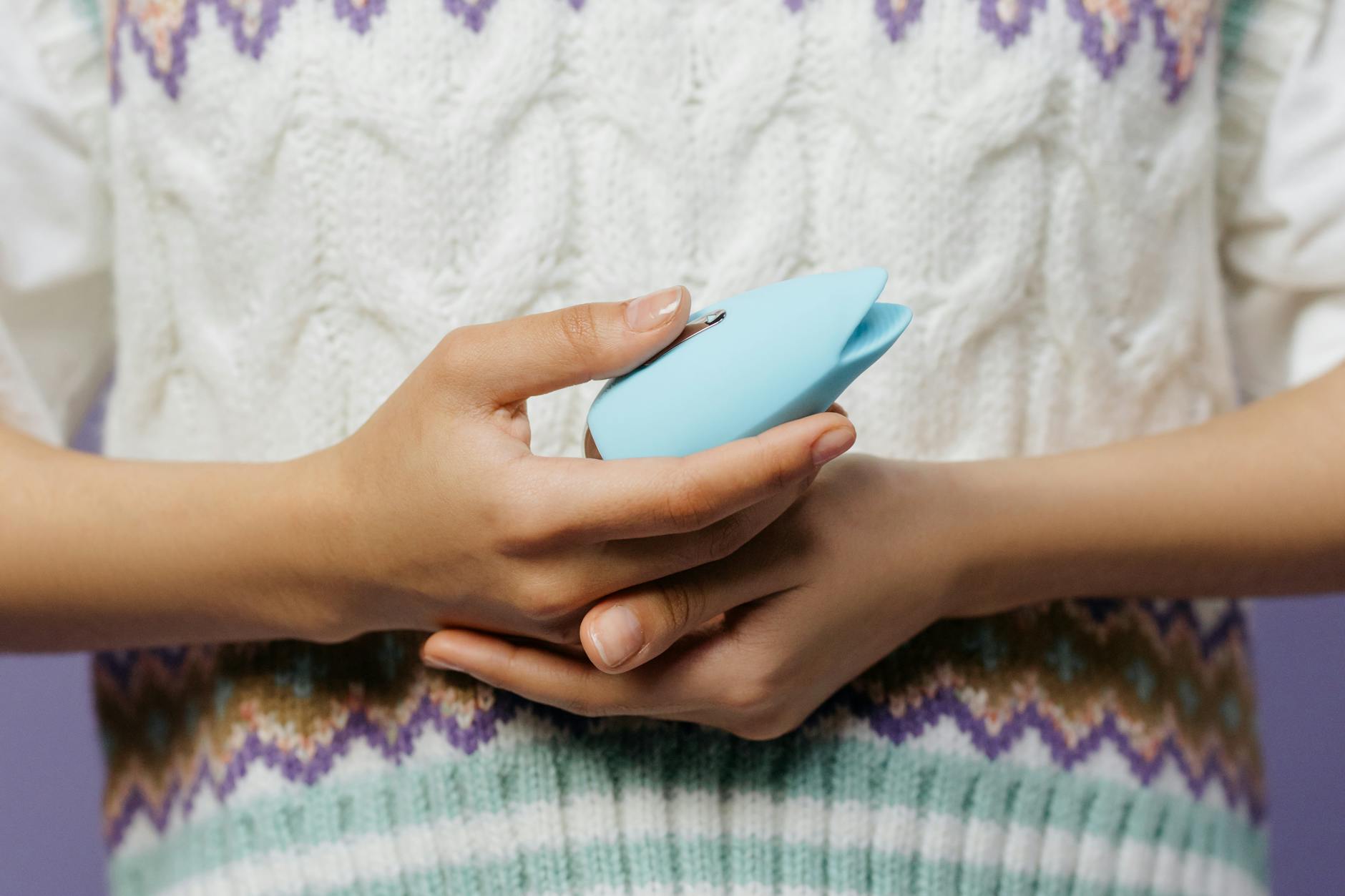
Photo by cottonbro studio on Pexels
The practical setup that helps most
Privacy and time are non-negotiable. You can't reconnect with sensation if you're rushing or worried about interruption. Set aside at least thirty minutes. Close the door. Turn off your phone.
Clean your vibrator before and after. Post-surgery, your immune system is still recovering, and you want to avoid any unnecessary infection risk.
Use water-based lubricant even if you don't think you need it. Your nervous system is tender right now, and a little extra glide reduces friction that can feel uncomfortable.
Know that some days will feel better than others. That's normal. Your nervous system is recalibrating. Tomorrow might feel totally different than today.
Consider keeping a simple note about what feels good and what doesn't. "Pattern two felt too intense." "Day fifteen: sensation returned in lower area." These notes help you track actual progress, which is motivating when recovery feels slow.
Why this matters beyond pleasure
Rebuilding sensation after surgery isn't vanity. Sexual function is part of your overall health and well-being. It's connected to confidence, to intimacy in your relationship, to your sense of embodiment. When you reclaim that part of yourself, it changes how you move through the world.
It also teaches you something about your body's resilience. You went through something. Your body adapted. And now you're actively, thoughtfully choosing to reconnect with yourself. That's powerful.
The good news is that most people get back to something very close to baseline or better. Some discover that their sensitivity has actually shifted in interesting ways. The pathway there just takes patience and the right tools. Lemon clitoral vibrators, designed with graduated intensity and gentle sensation, make that pathway gentler.
FAQ: Surgery recovery and pleasure
How long after surgery can I use a vibrator?
Most surgeons clear you for external vibrator use around twelve weeks post-op, but always ask specifically. Some surgeries require longer. Don't guess. Starting too early risks complications. Starting at the right time, with the right tool, makes a real difference.
Will sensation ever feel completely normal again?
For most people, yes. The timeline varies. Some feel normal by six months. Others take a year. And some notice that sensation has shifted slightly but in a way they actually like. Normality is usually restored, but sometimes "normal" is a little different than before.
Can I use a Lemon vibrator if I'm still having pain?
Not yet. Pain is a signal to wait. If you're experiencing pain six weeks after surgery, it's worth mentioning to your doctor. Once pain has resolved and your surgeon gives clearance, then you can begin exploring with gentle tools.
Does numbness mean nerve damage?
Not necessarily. Temporary numbness is part of normal recovery. Persistent numbness past six months is worth discussing with your surgeon. Most cases resolve on their own, but ruling out complications matters.
Should I wait for my partner to be involved or explore solo first?
Explore solo first. You need to understand what your body can feel right now without the added pressure of someone else's expectations. Once you've reconnected with your own sensation, bringing a partner in becomes much easier. Check out how other people have navigated this in our post on how to use Lemon vibrators when you feel disconnected during partnered sex.
Is using a vibrator during recovery different than before surgery?
Yes. Start lower, go slower, and be patient. Your nervous system is healing. That requires a gentler approach than you might have used before. Once recovery stabilizes, you can explore more intensity if you want. The Lem and other lemon sexual toys are designed with this graduated approach in mind.
Will my partner think something's wrong if I need to use a vibrator now?
That's a conversation worth having directly. "My body is healing and sensation feels different. A vibrator helps me reconnect with myself during this recovery phase." A partner who cares about you will understand this. If you need help framing that conversation, this piece on using lemon vibrators when your partner doesn't know you want one walks through it.
What comes after recovery
Once sensation has stabilized, you get to decide what pleasure looks like for you now. Maybe you discover you love lemon adult toys and want to explore them more deeply. Maybe you return to what you were doing before surgery and it feels even better. Maybe you find something entirely new.
The point is that recovery isn't the finish line. It's the beginning of a new chapter where you get to make conscious choices about your body and your pleasure. That's actually pretty remarkable when you think about it.
Your body survived something hard. It healed. And now you're actively choosing to reconnect with sensation and pleasure. That's not just physical recovery. That's coming home to yourself.
If you have questions about your specific situation or want to talk through recovery and pleasure in more depth, reach out. That's what we're here for.