Let's talk about the real fear
It's not the toy. It's the conversation before the toy. You're worried your partner will think you want to replace them. They're worried you think they're not enough. Neither of you says this out loud, so the vibrator sits in a drawer for six months. Sound familiar?
Here's the thing: introducing a clitoral vibrator like the Lem into your sex life with a partner isn't about fixing anything. It's about adding something. There's a difference, and that difference is everything.
Why now, why this way
Most people wait until sex has already started feeling disconnected to consider a toy. Bad timing. The best moment to introduce a vibrator is when things are already working—when there's trust, curiosity, and zero pressure. You're adding a tool to something that's already good, not trying to rescue something broken.
The second thing: timing the conversation matters. Don't bring it up mid-argument, in the middle of sex, or when you're both tired. Pick a moment when you're relaxed, clothed, and not heading toward intimacy. Sunday morning coffee, a walk, sitting on the couch scrolling—anywhere neutral works.
The conversation that actually works
Forget the preamble. No "I've been thinking about this" or "I want to try something." Those sound like you've been planning something behind their back.
Try this instead: "I read something interesting about how vibrators can feel different for the person receiving, and I'm curious about trying one together. Would you be open to that?"
Notice what that does. It's specific, it's collaborative ("together"), and it invites a real response instead of triggering defensiveness.
Your partner might say yes immediately. They might ask questions. They might say no. All of those are fine. If they say no, the conversation ends without resentment. If they're curious, you move to the next part.
Choosing the right clitoral vibrator for both of you
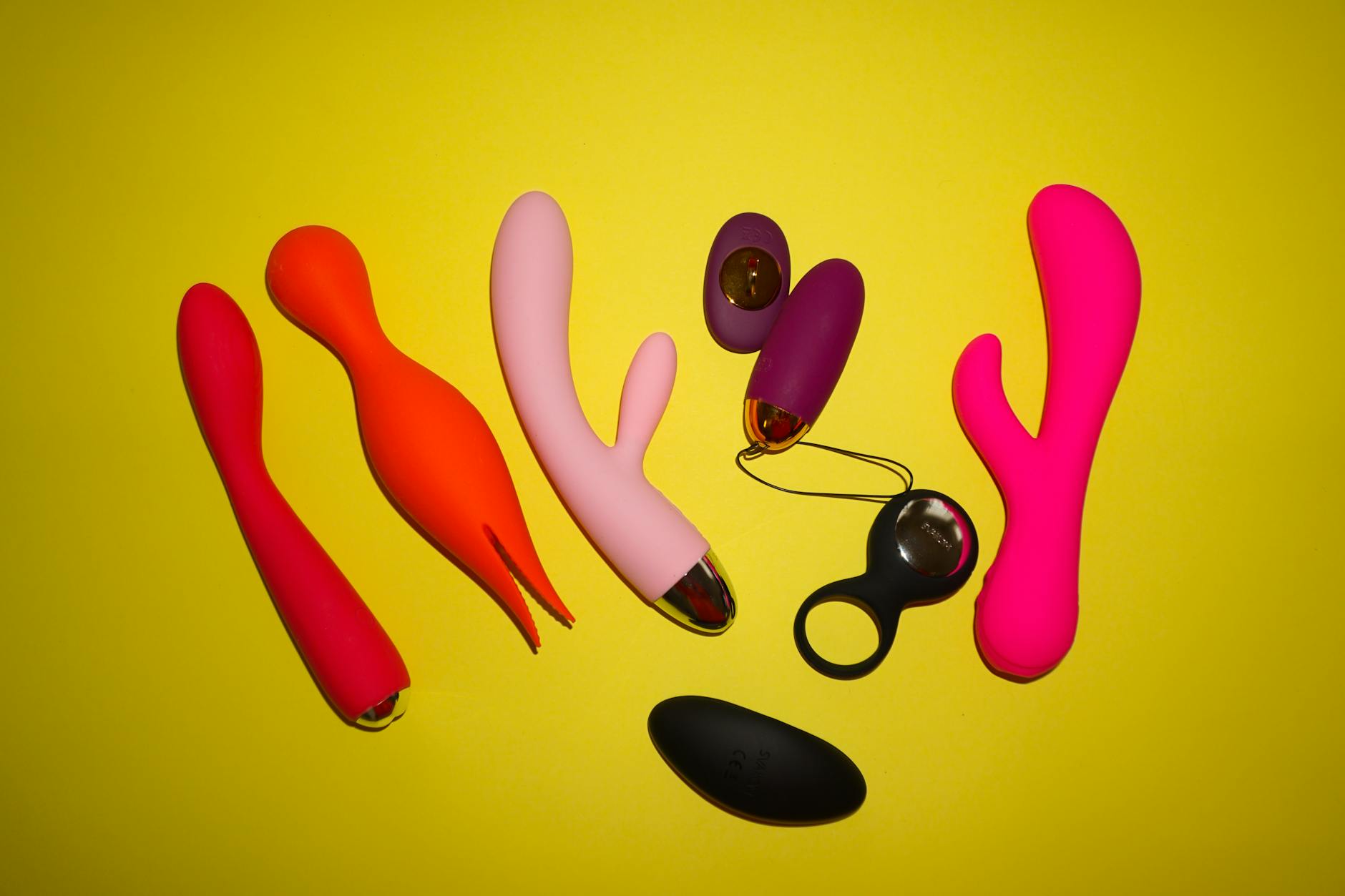
Not every toy works for couple's play. A wand vibrator, for instance, is harder for a partner to use on you because the angles get weird and it's bulky. A lemon clitoral vibrator works differently. It's smaller, the suction sensation is something totally new, and it's actually easier for your partner to control.
Why? Because you're not just lying back while someone holds a vibrator on you. The person using it has real control over intensity, pattern, and exactly where the sensation lands. That's engaging for them, and it means you're actually doing something together instead of just using a sex toy that happens to involve two people.
If you're shopping, explain it in those terms to your partner. "It's something we'll both use, and you'll actually have a role in how it feels for me." That shifts the dynamic from "using a vibrator on someone" to "exploring together."
The first time: setting expectations
Don't expect mind-blowing orgasms the first time. Seriously. Most people spend the first experience feeling self-conscious, wondering if this is weird, or getting used to a new sensation. That's completely normal.
Set an expectation out loud: "This might feel strange the first time. We're just exploring, no performance expected." That takes all the pressure off. You're not trying to prove the toy is amazing. You're trying it out.
How to actually use it together
Start with foreplay. Don't go straight to the vibrator. You want to be aroused first, which makes the new sensation feel better and makes you both more relaxed.
When you're ready, have your partner hold it. Not because you can't use it yourself, but because this is about connection. Watching your partner figure out what makes you respond, adjusting based on your breathing or body language—that's where the togetherness happens.
Start on a lower setting. The Lem has multiple intensity levels for exactly this reason. Let your partner experiment with different patterns. Some might feel too intense, some might feel perfect. Communicate as you go. "That one feels good" or "try the next pattern" gives them real feedback and makes them an active participant.
Don't overthink your reaction. If you orgasm, great. If you don't, that's also completely normal with a new sensation. Your partner isn't keeping score. They're just watching what happens and feeling closer to you because you trusted them with something new.
What to say if it feels awkward
It probably will, a little. That's okay. Awkwardness doesn't mean something's wrong. It means you're doing something unfamiliar.
If it feels weird, just say so. "This is awkward in a good way" or "I feel a bit self-conscious, give me a second" are both completely acceptable. Most couples laugh. That's actually perfect. If you can laugh together during sex, you're in good shape.
If your partner seems uncomfortable, pause. Ask what's going on. Maybe they're worried about hurting you. Maybe they want to try using it on themselves first. Maybe they just need a break. There's no rush. This isn't a one-shot event.
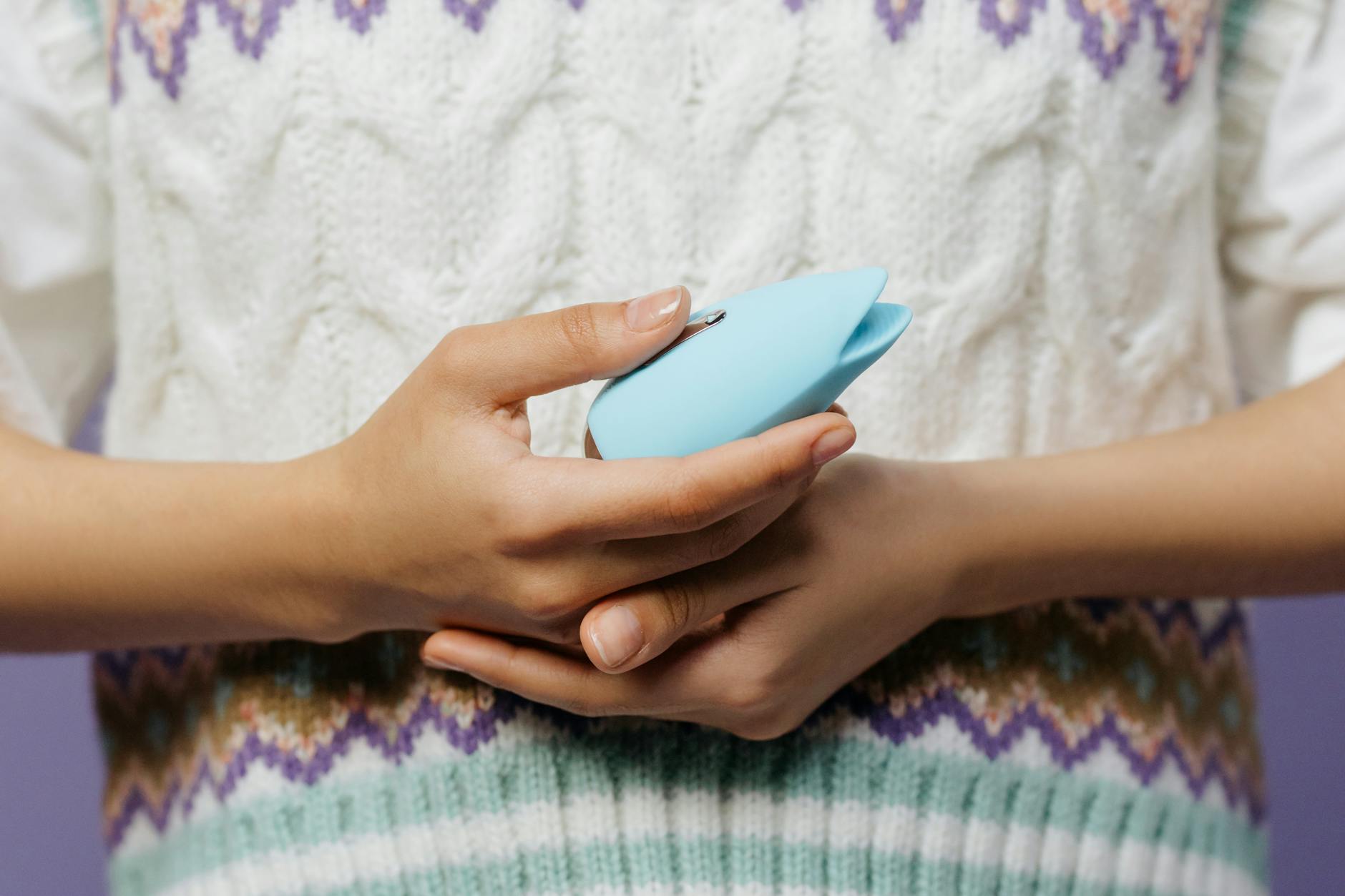
Photo by cottonbro studio on Pexels
After it's over
Don't disappear. Stay close, talk about it. Not in a performance review way ("Did you like it?"), but naturally. "That was interesting" or "I liked when you tried that pattern" or even "That was awkward but I want to try again." These conversations build intimacy in themselves.
If you want to do it again, say so. If you want to try something different next time, mention it now. If your partner wants to use a vibrator on themselves in front of you, be interested in that. This is the beginning of a new dimension in your sex life, and it works best when you're both genuinely curious.
The stuff nobody talks about
If this is the first time you're using a toy in your relationship, you might realize some things. Maybe you learn how your partner responds when they're focused on your pleasure instead of their own. Maybe you discover they're less controlling than you thought. Maybe you realize you need more direct communication about what you like.
All of that is useful information. How to use a lemon vibrator for couples trying toys together for the first time covers some of those dynamics in more detail if you want to dig deeper after this first experience.
Some people also find that introducing a toy earlier in a relationship (before patterns get locked in) makes it easier. If you've been together for years and never discussed toys, there's sometimes more to work through emotionally. That's not a reason not to do it, just reality. You might want to revisit how you communicate about pleasure at the same time.
Practical stuff: cleaning and care
Before you use it for the first time, know this: rinse it with warm water and mild soap. That's it. After every use, rinse again. If you're going to store it for a while, let it dry completely first.
Check the battery. Most lemon clitoral vibrators charge via USB. Charge it before the first experience, not after. You don't want to be fumbling with a dead battery in the middle of things.
Also: water-based lube only if you're using one. Silicone lube damages silicone toys. Most people don't need lube for a clitoral vibrator—it's suction-based, not friction-based—but if you want more glide, water-based is your only option.
If things don't go as planned
Maybe your partner tries to use it and can't figure out the angle. Maybe you don't enjoy the sensation. Maybe one of you gets self-conscious and wants to stop. None of these mean failure.
Sex is not a performance. It's an experience. If the experience didn't work the first time, you have options: try again differently, try something else entirely, or step back and revisit it in a few months. All of those are fine.
The point of introducing a toy with a partner isn't to have the perfect experience. It's to be vulnerable together, to communicate about something intimate, and to expand what's possible in your sex life. If you do that, the first time counts as a win even if it's awkward.
FAQs
What if my partner thinks a vibrator means they're not enough for me?
That's the most common worry, and it's worth addressing head-on before you introduce the toy. You might say something like: "A vibrator is about adding sensation, not replacing you. Your touch is different from a vibrator—it's not better or worse, just different. I want both." If your partner still feels insecure, that's worth exploring in deeper conversation, possibly with a therapist. But the vibrator itself isn't the problem; the insecurity is. A lemon clitoral vibrator can coexist with partnership—plenty of couples use them together.
Can I use a lemon clitoral vibrator solo after trying it with a partner?
Absolutely. In fact, many people use a vibrator solo sometimes and with a partner other times. There's no rule that says once you've shared a toy, it becomes a couples-only thing. Your pleasure is yours, and exploring solo play is completely separate from using it together.
What if I want to try a vibrator but my partner's not interested?
You have choices. You can use it yourself. You can give it time and bring it up again later. You can ask what specifically makes them hesitant—is it insecurity, not understanding the appeal, or something else? If your partner is genuinely opposed, you need to decide what that means for your sexual relationship. But in many cases, hesitation comes from not understanding what it's actually for, not from a real boundary. Education sometimes shifts that.
Should I let my partner use a vibrator on me, or should I use it on myself?
Both have different benefits. When your partner uses it, they're engaged and watching your response. When you use it on yourself, you have total control. The best approach is to try both and see what feels more comfortable. Many couples alternate. There's no rule.
How long should our first experience last?
There's no timeline. You might use the vibrator for two minutes and then stop. You might use it for twenty. The focus isn't on duration, it's on comfort and communication. Stop whenever either of you wants to. More time doesn't equal better.
What if the vibrator feels too intense the first time?
Lower the setting. If the lowest setting is still too much, you might not be aroused enough yet, or you might need to adjust the angle so it's not directly on the most sensitive spot. You could also try through clothing first to see how it feels with that buffer. There's no "should" intensity level. You're finding what feels good for you.
Introducing a lemon clitoral vibrator with a partner is less about the toy itself and more about what you're willing to do together: talk openly, stay curious, and give each other permission to explore. That's the actual intimacy. The vibrator is just the vehicle.
Ready to start? Reach out if you have questions or want personalized guidance on navigating this with your specific dynamic.