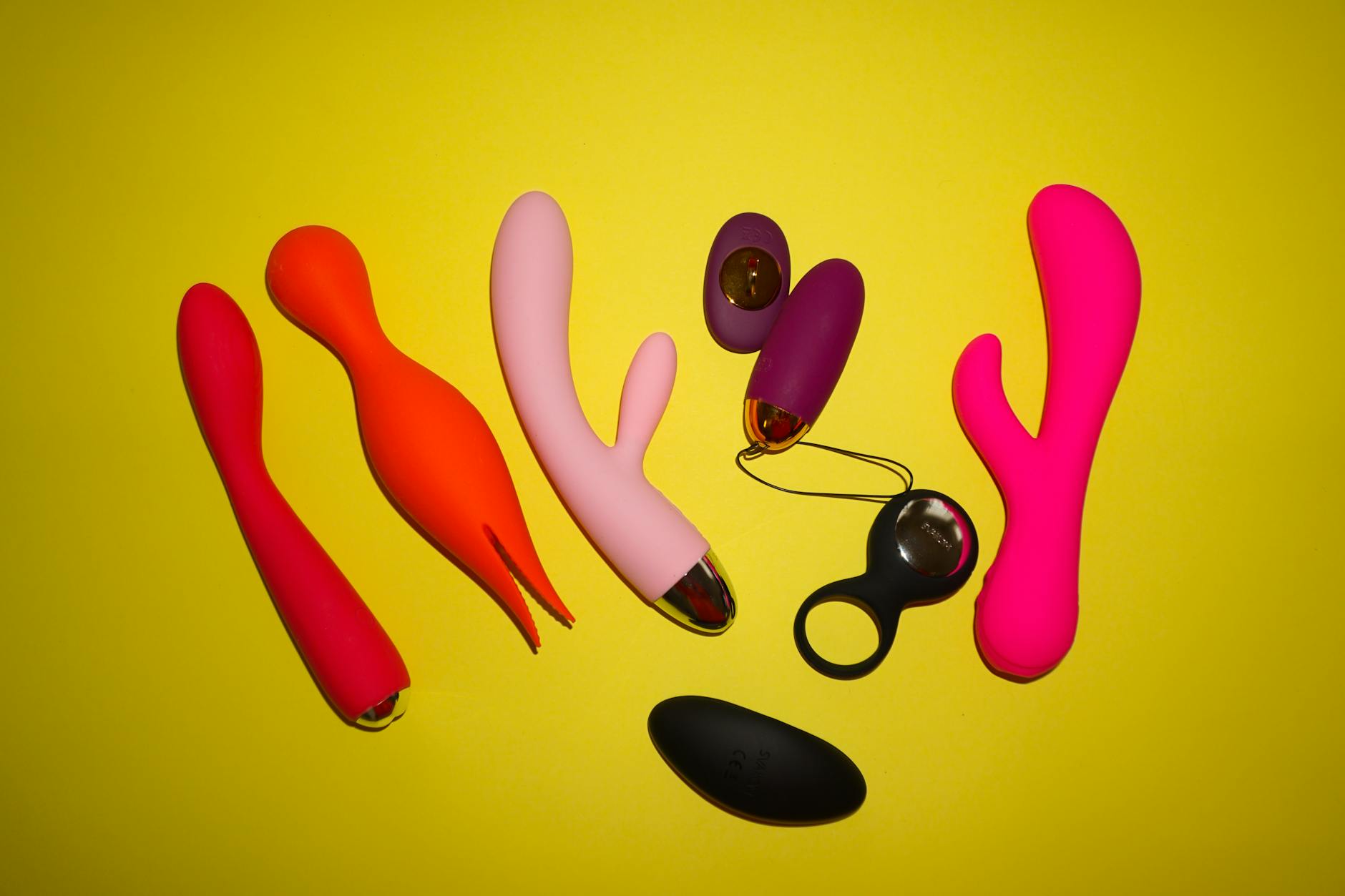
Let's talk about why your clitoris might hate your vibrator
Okay so here's the thing: not all vibration is created equal. You've probably tried a vibrator that felt good for thirty seconds and then went numb. Or one that buzzed so aggressively it felt less like pleasure and more like a dental cleaning. That's not a problem with your body. That's a problem with the tool.
Lemon vibrators work differently. They use air-suction technology instead of direct oscillation, which means your clitoris gets stimulation without the mechanical pounding. The difference is real, measurable, and honestly? Game-changing for people with sensitive tissue.
How traditional vibrators actually work
Most vibrators vibrate. Obviously. But what that means mechanically is a motor oscillating side-to-side or up-and-down, usually between 2,000 and 10,000 cycles per minute. The faster the vibration, the more intense the sensation. The problem is that your clitoris is packed with nerve endings. Roughly 8,000 of them. That's an enormous amount of sensory real estate in a tiny area.
When you apply direct, sustained vibration to that many nerve endings, two things happen. First, the sensation gets overwhelming fast. The nerves adapt and stop responding as sharply. This is called sensory habituation. After a few minutes, you need more intensity just to feel the same level of stimulation. It becomes a treadmill. Second, if the vibration is too intense from the start, it can actually trigger a protective response. Your body literally shuts down pleasure to protect itself. Not ideal.
Traditional vibrators also rely on direct contact. The toy presses against your clitoris, and vibration travels through that contact point. If your tissue is sensitive, thin, or inflamed (post-menopause, hormonal shifts, skin conditions), that direct pressure alone can feel uncomfortable before the vibration even kicks in.
What lemon clitoral vibrators actually do
Lemon sexual toys use air-pulse stimulation. Instead of a motor moving back and forth, an air chamber creates a gentle suction and release pattern. The sensation works on a different neurological pathway than vibration. You're not overwhelming your touch receptors. You're triggering a broader, softer stimulation pattern that feels less like buzzing and more like rhythmic pulsing.
Here's the physics: suction creates a gentle pressure change against your clitoris without direct mechanical contact. The tissue gets stimulated, but the stimulus is diffuse rather than pointed. This means your nerve endings fire, but they don't habituate as quickly. The sensation stays fresh and new longer.
For sensitive tissue, this is a huge deal. If your clitoris is tender, swollen, or raw, air-suction vibrators give you pleasure without pain. They also work better after menopause, when estrogen depletion makes tissue thinner and more vulnerable to irritation.
Why sensation lasts longer with air-suction technology
Sensory habituation is real biology, not a personal failing. Your nervous system literally adapts to constant stimulus. If you press your hand on your arm for thirty seconds, you stop feeling the pressure. Your brain stops processing it. This happens with vibration too.
Air-suction technology changes this because it creates a rhythm. The sensation builds, crests, and releases. Build, crest, release. This pattern mimics the body's natural arousal curve, which keeps your nervous system engaged instead of tuned out. You're not fighting habituation. You're working with your body's own pleasure architecture.
Lemon vibrators also tend to have longer pulse cycles than traditional vibrators. Instead of thousands of tiny oscillations per minute, air-pulse devices create distinct sensations: a pull, a release, a pause. That rhythm keeps things interesting neurologically. Your brain is processing actual variation, not just sustained stimulation at the same intensity.
The intensity question: why you can actually feel more with less
Counterintuitively, air-suction vibrators often feel more intense than traditional vibrators set at the same power level. This confuses people. How can something gentler feel stronger?
Because intensity and sensation are different things. Intensity is how hard the device is vibrating. Sensation is what your nervous system actually experiences. A 10,000-cycle-per-minute vibrator might be