Tissue thickness isn't a forever thing, but sensation can feel like it is
Let's be direct: your clitoris can and does change. Tissue thins. Sensitivity shifts. Sometimes it feels like someone turned down the volume on a speaker you've relied on for decades. The panic that follows is real. "Am I broken?" "Will it come back?" "Does this mean I can't feel pleasure the same way anymore?"
None of those questions have the answer you're afraid of.
Tissue changes happen for lots of reasons. Hormonal shifts, aging, medical treatments, even just years of repeated stimulation at the same intensity. What matters right now is this: reduced sensation isn't the end of your pleasure story. It's a redirect. And the right tool changes everything.
Why lemon vibrators work differently when tissues thin
Here's the thing about clitoral tissue. When estrogen levels drop or tissue naturally thins with age, the outer layer loses some of its cushion. Direct vibration that felt perfect at 35 suddenly feels either muted or, paradoxically, too intense. Your nerve endings are still there. The neural pathways still fire. But the tissue between the stimulation and those nerves has changed.
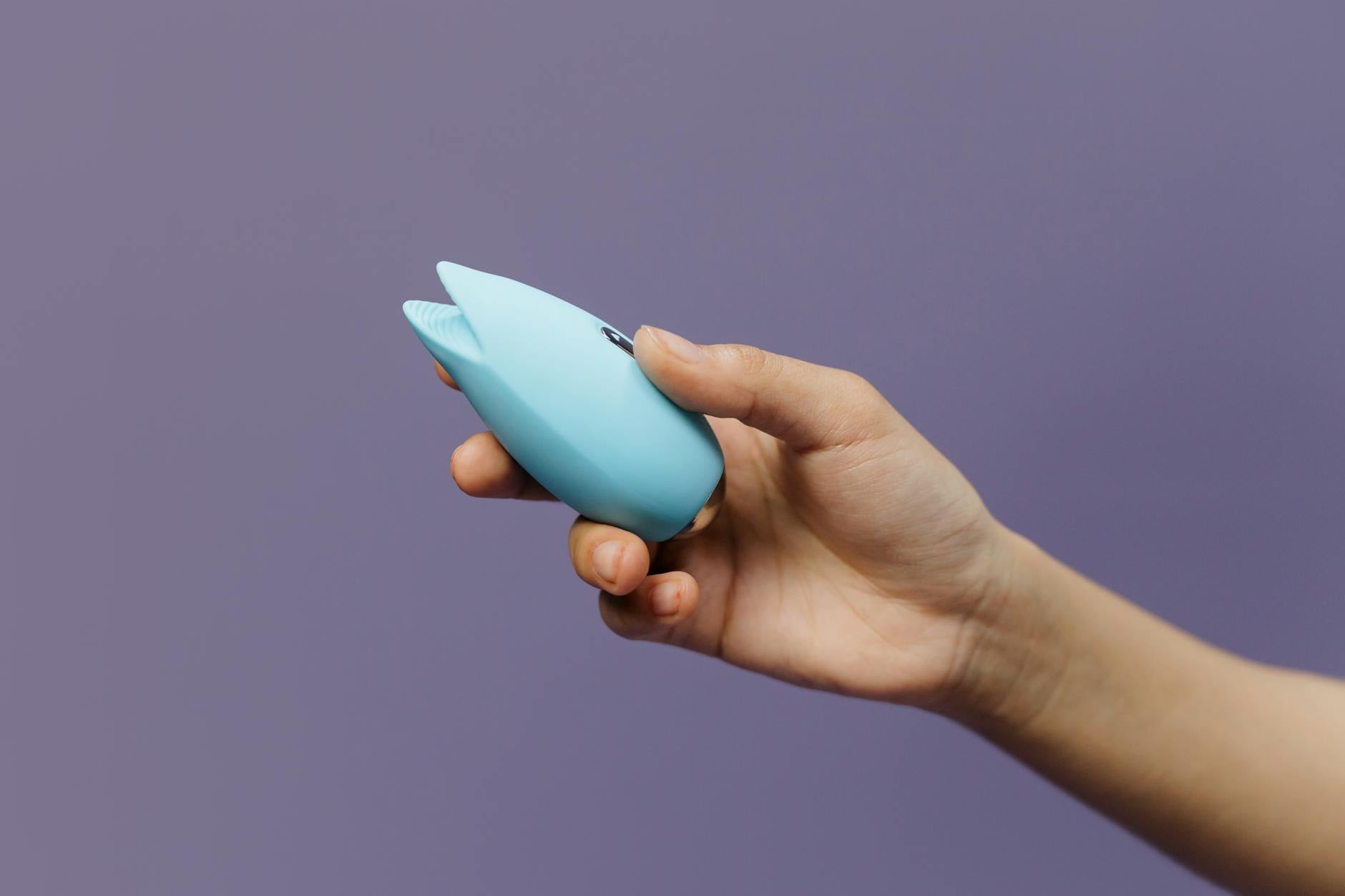
A lemon clitoral vibrator works through suction, not vibration. This matters more than you'd think. Suction pulls tissue gently upward and creates a seal. It stimulates nerves without depending on thickness or elasticity the way direct vibration does. You're not trying to vibrate through thin tissue. You're working with the body's own architecture.
Think of it like this. Vibration on thin tissue is like trying to massage a knot through paper-thin silk. Suction is like using your mouth, which also works through gentle pressure and movement. Your clitoris responds to suction the same way it always has, regardless of tissue density.
What actually happens when you use a lemon vibrator on changed tissue
When you place a lemon suction vibrator against your clitoris and turn it on, several things happen simultaneously. The seal creates a gentle vacuum. Tissue engorges as blood rushes to the area. Nerve endings activate. Your brain registers sensation.
With thinned tissue, this sequence is clean. You're not fighting friction or pressure that feels uncomfortable. The suction model bypasses the thickness problem entirely. Many people report that they feel sensation more acutely with a lemon vibrator after tissue changes than they do with standard vibrators, because you're not losing the signal through layers that aren't there anymore.
The intensity, though, needs resetting. If you've been using a traditional vibrator at level 8, you can't jump straight to level 8 on a lemon device. Start at 1 or 2. Your tissue is relearning sensitivity. You're also relearning what you prefer. Those are two separate adjustments happening at the same time.
Starting over with intensity settings
When tissue changes, everything shifts in the sensitivity department. Patterns that felt perfect feel either dull or suddenly overstimulating. This is normal. It's also fixable.
Begin with the lowest setting on your lemon vibrator. Spend a full session there if you need to. Let your nervous system recalibrate. The goal isn't to reach orgasm in session one. The goal is to rebuild the dialogue between your body and the tool.
Some people find that staying at level 1 or 2 for weeks rebuilds a baseline sensation. Others progress faster. There's no speed that's "right." Your tissue, your pace.
One pattern I see often: people get impatient and jump to higher levels, feel let down by the result, and assume the tool isn't working. Then they try again at the right level and everything clicks. Don't skip the slow rebuild. It's not wasted time. It's recalibration.
Lubrication isn't optional anymore
When tissue thins, lubrication becomes part of the tool itself, not an accessory. Water-based lube isn't just nice to have. It changes how the seal on your lemon vibrator works and how comfortable the experience is.
Apply lube before you start. Reapply halfway through a longer session. A thin layer matters more than a generous one. The lube fills in micro-textural changes in thinned tissue and helps the suction seal work smoothly without any catch or drag.
If you're using a lemon clitoral vibrator, the suction design means you need slightly less lube than you would with other toys. But you absolutely still need some. Don't skip this step thinking you're being conservative. You're actually helping your body work more efficiently.
Patience with the pelvic floor
Tissue changes often come with pelvic floor tension. Your muscles tighten protectively around tissue they perceive as fragile. This tension blocks sensation. It also blocks pleasure.
Before you use a lemon vibrator, spend a few minutes releasing the pelvic floor. This isn't a Kegel. It's the opposite. Breathe into your pelvic floor like you're trying to soften it. Imagine the muscles unclenching. Some people find this easier lying down. Others find it works better sitting or kneeling.
Then begin your session with the vibrator at the lowest setting. Let the gentle suction activate the tissue without forcing engagement from muscles that are already guarding. As you rebuild sensation over weeks, the pelvic floor often naturally releases. Sensation returns faster when the muscles aren't fighting the process.
Timeline for rebuilding sensation
If you're asking "how long until I feel normal again," here's what I've seen clinically. Most people notice real shifts in sensation within 3 to 4 sessions with a lemon vibrator at the right intensity level. Within 2 to 3 weeks of regular use, many report their baseline sensation feels noticeably higher. Within 2 months, people often tell me they've reached a new normal that feels genuinely satisfying.
That said, everyone's nervous system is different. Tissue heals at different rates. Hormonal status, stress, relationship dynamics, and sleep all affect how quickly sensation rebuilds. Don't compare your timeline to someone else's.
What matters is this: if you're not feeling progress after 4 weeks of consistent practice, talk to a doctor. There might be something else going on. But most people feel real change much faster than they expect.
The partner conversation
If you're in a partnered relationship, this matters. Tissue changes and reduced sensation can make you feel like you're asking your partner to accept less pleasure. You're not. You're asking them to explore a different kind of pleasure.
A lemon vibrator often intensifies sensation for partners too, because the suction model is distinct from what fingers or other toys typically do. Some couples find that rebuilding sensation together, with the right tool and the right patience, actually deepens their connection. You're not fixing a problem. You're learning each other's bodies again.
Talk about the timeline. Explain that lower intensity settings aren't forever. They're the foundation you're building from. And genuinely, find a partner who gets that your pleasure matters enough to slow down for. If they don't, that's its own conversation.
When to talk to a doctor
Reduced sensation can happen on its own. It can also be a symptom of something that needs attention. Genitourinary syndrome of menopause (GSM), hormonal imbalances, neurological changes, and certain medications all affect sensation. If you're rebuilding sensation over several months with minimal progress, see a provider who specializes in sexual health.
Topical hormone treatments, DHEA vaginal suppositories, and other interventions exist and actually work. A good provider will help you figure out if physical tools like a lemon clitoral vibrator are enough, or if you need medical support too. That's not failure. That's partnership.
The bigger truth
Tissue changes are real. Sensation shifts are real. But you're not broken, and pleasure isn't behind you. It's just asking you to show up differently. A lemon vibrator, combined with patience and the right intensity, rebuilds sensation in ways that surprise most people. Your body adapted to change. Now it gets to adapt to pleasure again.
People Also Ask
Do lemon vibrators work if your clitoris feels numb?
Yes, often better than other tools. Suction works differently than vibration. If your clitoris feels numb with standard vibrators, try a lemon vibrator starting at the lowest intensity for 2 to 3 sessions before judging the result. Numbness often shifts into sensitivity within weeks. If it doesn't, see a provider.
How is a lemon suction vibrator different from a regular vibrator when tissue is thin?
Regular vibrators rely on direct mechanical vibration to stimulate nerves. With thin tissue, that can feel muted or uncomfortable. Suction pulls tissue gently and stimulates through pressure and movement rather than vibration. It works with thin tissue instead of against it. Most people find suction more effective after tissue changes.
Can I rebuild sensation if I have hormone-related tissue thinning?
Yes. A lemon vibrator helps rebuild sensation regardless of the cause. If the tissue thinning is hormone-driven, topical treatments (estrogen cream, DHEA suppositories) plus a lemon clitoral vibrator often work synergistically. Talk to your doctor about both options together.
How long does it take for sensation to come back after using a lemon vibrator?
Most people notice shifts within 3 to 4 sessions. Real baseline improvement happens within 2 to 3 weeks of consistent use. Full recalibration often takes 2 months. Your timeline may differ depending on why tissue changed and how your nervous system responds.
Should I use lube with a lemon vibrator if my clitoris feels numb?
Yes. Lube isn't about lubrication here. It's part of how the suction seal works and how sensation registers. Even when clitoral numbness is present, lube helps the tool work more effectively. Use a thin, even layer of water-based lube.
What if my lemon vibrator still doesn't feel like enough after several weeks?
Check three things. First, are you starting at intensity level 1 and actually giving that level full sessions? Impatience often feels like the tool isn't working. Second, is your pelvic floor relaxed, or are you guarding? Tension blocks sensation. Third, have you talked to a provider about whether medical support (hormones, neurological assessment) might help? Sometimes sensation issues need both tools and treatment.
One more thing
Rebuiling sensation after tissue changes takes patience and the right approach. A lemon clitoral vibrator, used at the right intensity with proper lubrication and pelvic floor attention, rebuilds the dialogue between your body and pleasure. You're not starting from zero. You're learning a new language your body speaks now. That's not less. It's different. And honestly, often richer.