Let's talk about what's actually happening at 50 and beyond
Your clitoris doesn't retire. But it does change. And the reason most women over 50 feel like something's broken (spoiler: it's not) comes down to a few physiological shifts that nobody explains until you're already frustrated.
Here's the thing. The clitoral nerve bundles don't vanish. The blood vessels still work. But the tissue thins, circulation shifts, and the kind of direct pressure that worked in your 30s can feel either too intense or weirdly distant. It's not that pleasure is gone. It's that the signal path has changed.
Why sensitivity shifts after 50
Three changes happen simultaneously.
First: estrogen drops, and the clitoral skin becomes thinner and more delicate. The protective outer layers lose some of their cushioning, which means the same amount of friction can feel too rough. This is also why lubrication matters more than ever, even if you're naturally wet. The tissue itself changes how it responds to stimulation.
Second: blood flow decreases slightly. The clitoris fills and engorges with less intensity than it used to, which means arousal builds more slowly and the sensation of fullness feels different. This isn't about desire. You can want sex exactly as much. But the physical response moves at a different pace.
Third: the small muscles around the clitoris and pelvic floor lose some tone without regular strengthening. This affects how much sensation you can feel and how concentrated that sensation is. When those muscles have support, pleasure feels sharper. When they don't, it can feel diffuse or muted.
None of this means you've lost capacity for pleasure. It means the delivery system has different requirements.
Why lemon vibrators and air-suction work better for this shift
Traditional vibrators work by friction. They press, buzz, and oscillate against the skin. For tissue that's become thinner or more sensitive, that direct pressure can be uncomfortable or overstimulating.
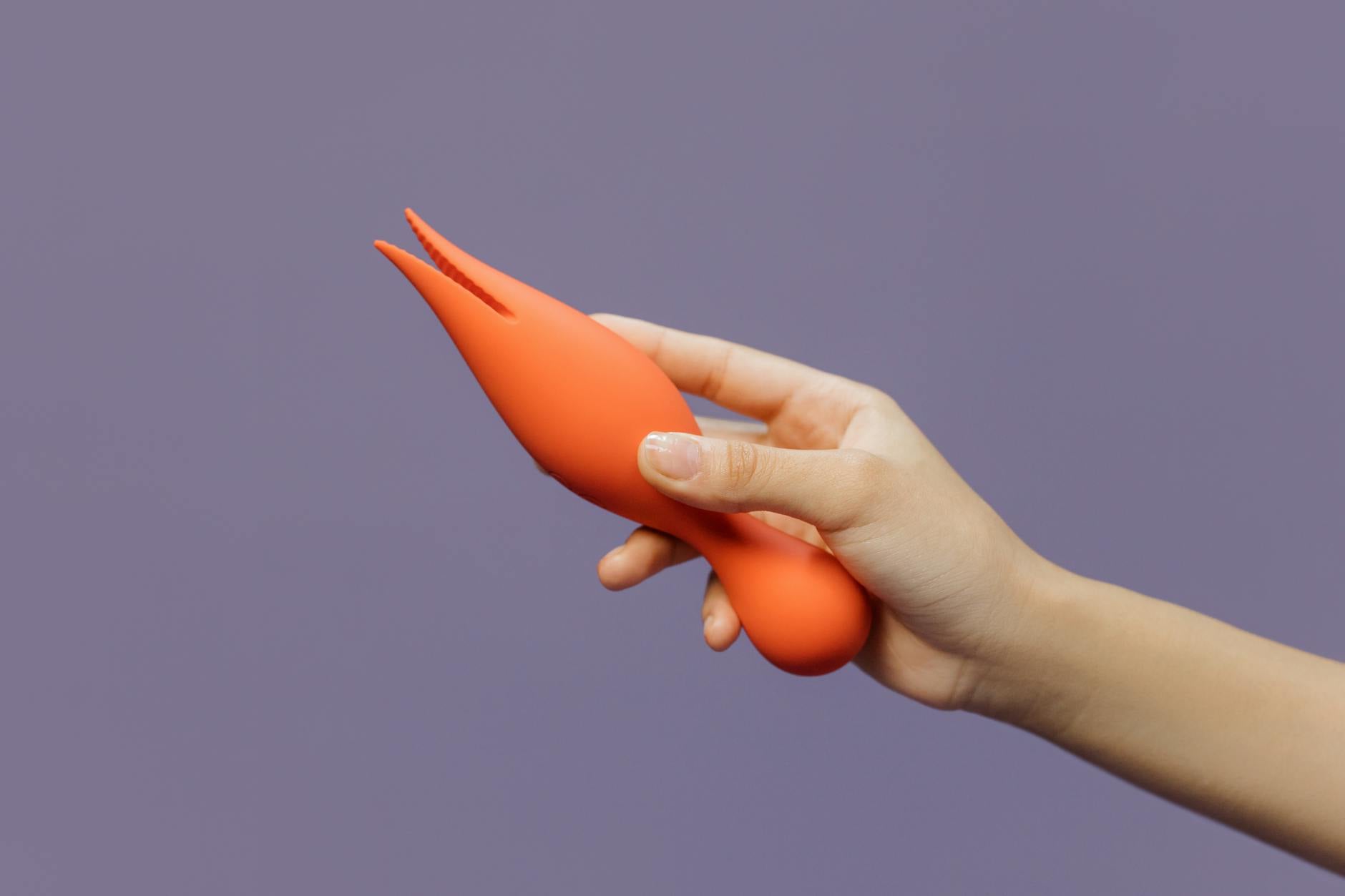
Lemon vibrators and air-suction clitoral vibrators work completely differently. They use gentle suction and pulsing waves, not vibration. Think of it like the difference between a massage and someone drumming on your shoulder. The sensation travels deeper into the tissue without harsh surface contact.
For someone over 50, this matters because you get intense stimulation without the numbing sensation that comes from prolonged friction. The suction draws blood into the area, which increases your natural arousal response. Your body recognizes what's happening and responds accordingly, even if it takes a few extra minutes.
The lemon clitoral vibrator, specifically, is designed with a smaller cup opening that concentrates suction in exactly the right spot. You're not vibrating a large area. You're creating rhythmic pressure that mimics natural arousal patterns.
What actually changes (and what doesn't)
Let me be clear about what's myth and what's real.
You can absolutely still orgasm after 50. Probably multiple times. The clitoral nerve density doesn't decrease. Your brain's capacity for pleasure is intact. The fact that you might need longer warm-up, more lubrication, or different stimulation isn't a decline. It's a recalibration.
What does change: intensity and speed. Arousal might take 15-20 minutes instead of 5. An orgasm might feel more like a wave than a lightning bolt. That doesn't make it weaker. Often it makes it longer and more layered.
What doesn't change: the fundamental ability to experience pleasure, the clitoral anatomy that makes orgasm possible, or your right to prioritize your own satisfaction.
The practical setup that works
If you're picking up a lemon vibrator or any air-suction clitoral vibrator for the first time after 50, here's what to expect and how to set yourself up for success.
Start with water-based lube. Silicone lube feels richer and lasts longer, but it can degrade silicone toys. Water-based is gentle on your tissue and works beautifully with suction stimulation. Apply it generously. This isn't excessive. This is necessary.
Warm up for 15-25 minutes before introducing the vibrator. This isn't wasted time. This is your clitoris filling with blood and your nervous system priming itself for sensation. Manual touch, a partner's touch, or even just lying with your legs relaxed works. Let arousal build naturally.
When you introduce the lemon vibrator, start on the lowest setting. I know this sounds conservative. Stay with it. Your tissue is more responsive than you think, and jumping to intensity 4 or 5 is how you numb yourself for the next few hours. Build up. Move from pattern 1 to pattern 2 or 3 over 10 minutes.
Keep the seal consistent. The suction only works if the cup stays sealed against your body. If you're adjusting constantly or feeling like it's slipping, you might need a different angle or slightly more lube.
The mental shift that changes everything
Here's what I see over and over in my practice: women over 50 who think they've lost pleasure haven't lost it. They've lost permission to take time for it.
Twenty years ago, maybe you were orchestrating pleasure around a partner's timeline. Maybe you were managing birth control anxiety or fertility concerns. Maybe you had kids in the house and four minutes was all you got.
At 50, if your relationship is stable and your kids are grown, the pressure lifts. You can take 45 minutes. You can experiment. You can use a toy that feels exactly right instead of something that's just fine.
The clitoral vibrators that work best after 50 aren't about intensity. They're about precision and permission. A lemon vibrator doesn't vibrate your whole pelvic floor. It targets the exact nerve endings that respond to suction. That focus, combined with time and patience, often produces orgasms that feel clearer and more satisfying than anything that came before.
When to check in with a doctor
If you're experiencing pain during stimulation (not intensity, but actual discomfort), talk to a gynecologist. Genitourinary syndrome of menopause is real and treatable with topical estrogen. Two weeks of a vaginal cream can change everything.
If lubrication is so minimal that even generous application of lube doesn't help, that's also worth mentioning. A healthcare provider can rule out underlying issues and suggest whether systemic hormone therapy, local hormone therapy, or both might help.
If you've lost all interest in sex and it's not connected to relationship issues or stress, low testosterone is worth exploring. It's prescribed conservatively in some regions but is available and often transformative.
None of these conversations are complicated. They're just conversations.
FAQ: Common questions about lemon vibrators and sensitivity after 50
Do I need a special vibrator after 50, or will any lemon clitoral vibrator work?
Not all vibrators are created equal for tissue changes after 50. Air-suction lemon vibrators like the ones from Hello Nancy work better than traditional vibrators because they don't rely on friction against sensitive tissue. If you have a vibrator that's always felt too intense or numbing, an air-suction clitoral vibrator is worth trying.
How long does it take to feel pleasure again if I've been numb for a while?
Tissue recovery and nerve sensitivity recovery are different things. Most of my clients report that introducing an air-suction lemon sucker and taking time for proper warm-up restores sensation within 2-3 weeks of consistent use. But "consistent" means 2-3 times per week, not daily. Your clitoris needs rest days too.
Can a lemon vibrator help if my clitoris feels desensitized?
Often, yes. Desensitization usually comes from two sources: either prolonged vibration that overloads the nerve endings, or insufficient blood flow to the tissue. Air-suction stimulation actually improves blood flow, and because it's a different type of sensation, it can reset your nervous system's response. Try starting with lower intensity and longer warm-up before assuming you're permanently numb.
Is it normal to need more lubrication after 50?
Completely normal. Estrogen affects lubrication production directly. More lube isn't a sign of dysfunction. It's a straightforward accommodation. Water-based lube works beautifully with silicone toys and tissue that's become more delicate.
Should I try a lemon vibrator alone first, or with a partner?
That depends on your comfort and your relationship. Some people find it easier to explore alone first, especially if sensation is changing and you want to figure out what feels good without explaining yourself. Others want to explore together. Both are valid. If you do introduce it with a partner, frame it as "Let's try this together" not "I need this because something's wrong."
How do I know if I have genitourinary syndrome of menopause versus just normal sensitivity changes?
Genitourinary syndrome involves pain or discomfort during sex, burning, dryness that doesn't improve with lube, and sometimes urinary symptoms. Normal sensitivity changes involve sensation feeling different but not painful. If you're in pain, see a doctor. If you're just adapting to a different sensation, that's normal aging.
You're not starting over. You're upgrading.
The persistent myth is that pleasure declines after 50. What actually happens is different. Your clitoris doesn't stop working. Your capacity for orgasm doesn't vanish. What changes is the path to pleasure, and that change often leads somewhere better than before.
For years, maybe you compromised. You worked around someone else's timeline. You used a vibrator that was fine instead of one that felt perfect. At 50, you get to stop doing that.
Air-suction lemon vibrators and other lemon sexual toys aren't a fix for something broken. They're tools designed for how your body actually works right now. Combined with time, lubrication, and permission to prioritize your pleasure, they often unlock sensations that feel sharper and more satisfying than anything that came before.
Your body at 50 isn't less. It's different. And different, when you're intentional about it, often means better.