Let's start with the hardest part
Your desire disappeared, and you thought it might never come back. Then one day, something shifts. A moment of lightness. A flash of curiosity. Maybe actual arousal. And suddenly you're wondering: Is this real? Will it last? And how do I use my body again when it feels like a stranger's?
That's the moment most people get stuck. Not because desire is fragile, but because nobody talks about what happens when it returns.
What depression and grief actually do to arousal
Depression numbs everything, not just sadness. It flat-lines the nervous system. That means arousal, which depends on your body's ability to ramp up excitement and blood flow, becomes nearly impossible. Grief works differently. Grief keeps you hypervigilant, locked in survival mode. Both conditions convince your brain that pleasure is not safe, not necessary, not allowed.
When desire starts returning, your body hasn't forgotten how to feel. What it has forgotten is how to trust that feeling. There's often a lag between "I think I might want this" and "My body actually responds." That lag is normal. It's not a sign that something is broken.
Many people also report that their desire comes back differently than it was before. Maybe it's quieter. Maybe it needs more space and time to build. Maybe it feels less urgent. This isn't a downgrade. It's a recalibration.
Why clitoral vibrators matter in this moment
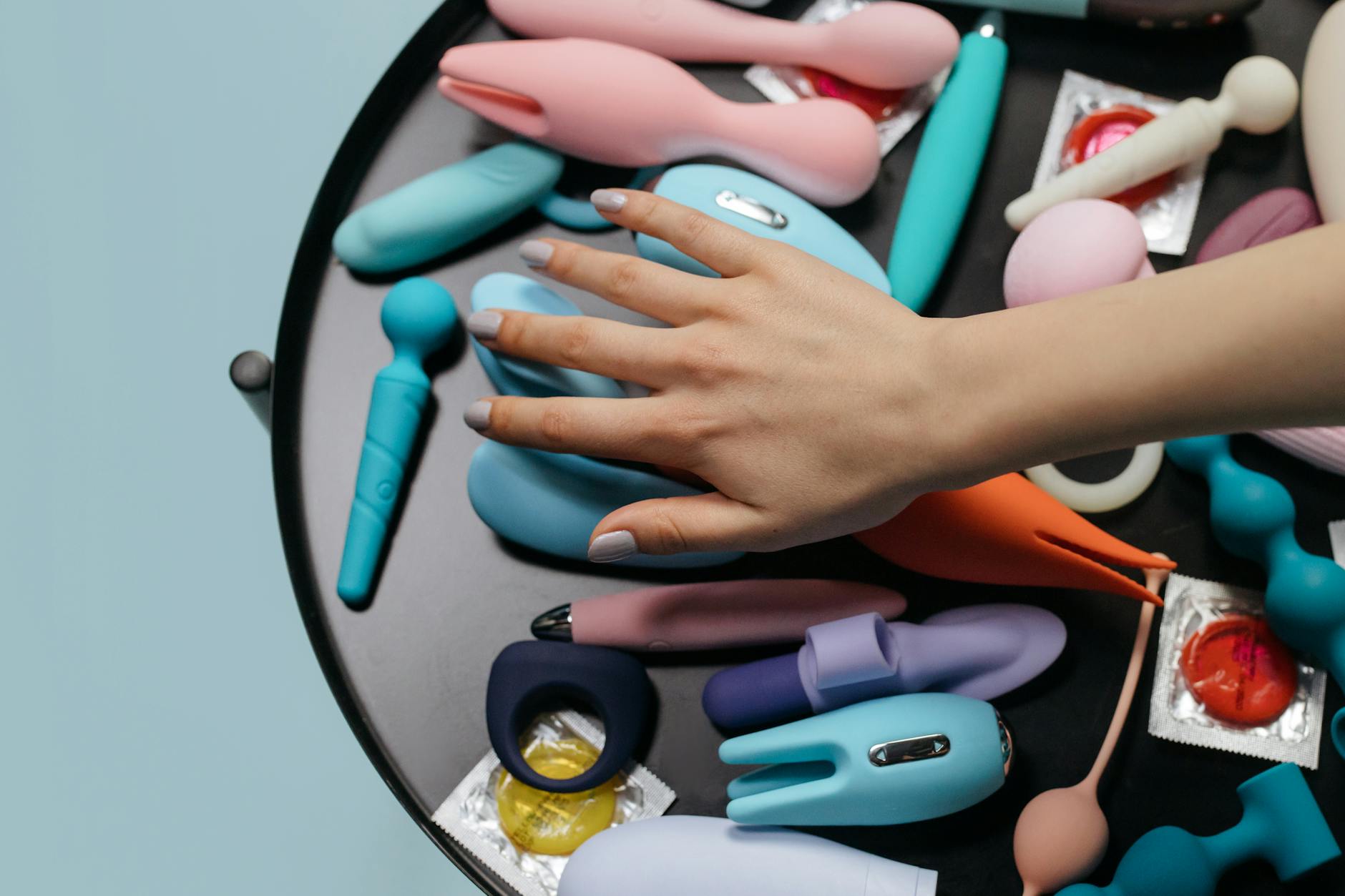
When arousal is fragile and your nervous system is still rebuilding, you need a tool that works with your body's current reality, not against it. Clitoral vibrators, especially gentle suction-style devices like lemon vibrators, are designed to create sustained, consistent stimulation without requiring you to generate the energy that traditional toys demand.
With a vibrator, you don't have to maintain tension or rhythm. You don't have to perform. You just have to be still and receive. That simplicity is exactly what a body recovering from depression or grief needs. The device does the work while your nervous system learns, slowly, that pleasure is available again.
Lemon clitoral vibrators use suction and pulsation rather than aggressive vibration. This gentler approach means you can start at very low intensities and gradually build, which is often how desire actually returns. It's not a switch. It's a dimmer.
Start with zero expectations
The fastest way to kill returning desire is to demand that it perform. Don't set a goal. Don't expect an orgasm. Don't measure success by anything except "I touched myself and it felt okay."
Begin with your lemon vibrator at the lowest setting, in a space where you feel completely safe and unhurried. Maybe that's 10 minutes. Maybe it's 2. The timeline doesn't matter. What matters is that you're giving your nervous system permission to wake up without judgment.
If you feel nothing, that's information, not failure. If you feel a little tingle, that's a win. If you feel conflicted or sad while touching yourself, pause. That's also information. Your body is telling you something about what it needs right now, and listening to it is far more important than forcing a response.
The role of touch beyond the vibrator
Sometimes returning desire needs other touch first. Stroking your own arm. Massage. Your partner's hand on your back. The nervous system needs to remember that touch is safe before genital touch feels welcome. This isn't a step you skip on the way to "real" sex. This is the real work.
If you have a partner, tell them explicitly: I'm rebuilding my desire. I need touch that has no goal. Not foreplay. Not leading somewhere. Just touch that says "I'm here and you're worth my attention." Many partners worry that any touch will be misinterpreted as pressure for sex. Naming what you actually want removes that confusion.
When to introduce the lemon vibrator
Don't rush this. You might spend weeks or months in the gentle-touch phase before genital stimulation feels invited. When you do reach for your lemon vibrator, you'll know. There will be genuine curiosity, not obligation.
Start solo. Pressure from a partner to be aroused, even well-intentioned pressure, often reactivates the nervous system's defenses. Being alone removes that variable. You get to explore at your own pace, with no one watching, no one waiting, no one disappointed if nothing happens.
Use water-based lubricant even if you don't think you need it. Depression and grief suppress natural lubrication. Lube isn't a sign that something is wrong. It's a practical tool that makes sensation easier and more comfortable, which means your nervous system stays calmer and more receptive.
Start at intensity 1 or 2. Spend time here. Let your body get used to the sensation before you move up. Many people recovering from depression report that they don't want intense sensation for quite a while. Your clitoris has been dormant. It doesn't need aggressive stimulation to wake up. Gentleness works better.
The shame piece
Depression and grief often come with shame. Shame about being depressed. Shame about not wanting your partner. Shame about needing a vibrator to feel anything at all. Here's what I tell my clients: Your body's response to trauma and loss is intelligent. It protected you when you couldn't protect yourself. Using a tool to help you rebuild pleasure is not weakness. It's wisdom.
Lemon vibrators exist partly because they work well, and partly because they remove judgment from the experience. You're not performing for anyone. You're using a device designed to give you consistent, predictable sensation while your nervous system heals.
If your partner has opinions about vibrators, that's a separate conversation that belongs outside the bedroom. Your pleasure, your body, your tools. Full stop.
Rebuilding with a partner
If you have a partner, the transition back into partnered sex is its own process and shouldn't be rushed. Many couples make the mistake of assuming that once solo desire returns, partnered desire should automatically follow. It doesn't work that way.
You might feel aroused alone and completely shut down with your partner in the room. This isn't rejection of them. It's your nervous system saying "I still need this to feel safe in my own body first." Give yourself that grace.
When you do want to involve your partner, start with the vibrator present but not as the main event. Maybe you use it alone while they're in the room, present but not touching you. Maybe they hold it while you guide the pressure and rhythm. The point is to rebuild trust in sensation and in partnership at the same time, without conflating the two.
Some partners worry that a vibrator means they're not enough. They are. A vibrator is not a replacement for partnership. It's a bridge back to your own body, which is the foundation of any sexual connection.
What returning desire actually looks like
It's rarely the lightning-bolt moment people expect. It's usually quiet. A thought about someone attractive. A moment of physical ease. A night where you touch yourself because you want to, not because you think you should. These small moments are the real recovery.
Your desire may never be exactly what it was before depression or grief. And that's fine. Sometimes what comes back is better because it's yours in a new way. You're not trying to recreate the past. You're building something that works for who you are now.
Frequently asked questions
How long does it typically take for sexual desire to return after depression?
There's no standard timeline. For some people, desire starts shifting within weeks of treatment beginning. For others, it takes months or even years. Medication type matters too. Some antidepressants affect libido more than others, and that's worth discussing with your prescriber. The important thing is to notice any movement at all, no matter how small, and treat it as a win. You're not aiming for "normal" right now. You're aiming for "anything at all."
Can I use a lemon clitoral vibrator if I still feel completely numb?
Yes, but reframe your goal. You're not trying to feel intense sensation. You're exploring what sensation might eventually become possible. Some people find that the consistent, predictable stimulation of a vibrator eventually wakes up nerve endings that have been dormant. Others find that gentle vibration helps them understand what they're capable of feeling. Either way, there's no failure here. You're gathering information about your own body.
Is it normal to feel sad or cry while using a vibrator after depression or grief?
Completely normal. Returning pleasure often comes packaged with complicated feelings. You might feel sad that you lost this part of yourself. You might feel relieved that it's coming back. You might feel both at once. Your body might release emotion during pleasure because that's how nervous systems work. Crying doesn't mean you should stop. It usually means your body is processing something important. Keep going, or pause and sit with it. Both are fine.
What if my partner is frustrated with the timeline of my returning desire?
That's a conversation to have outside the bedroom, ideally with a therapist present. Your partner's frustration is real, and your need for patience is also real. These aren't in conflict. You both need support in understanding that sexual recovery from depression is not something you can rush. If your partner cannot give you that space, that's information about what you need going forward.
Should I talk to my doctor before using a vibrator after depression?
If you have a prescriber managing your depression, mention it. Not because there's anything wrong with vibrators, but because your doctor should know what you're doing to support your recovery. If you're on medication that affects sensation or lubrication, they might have practical suggestions. The conversation is usually brief and can feel awkward, but it's worth having.
How do I know if my lack of desire is depression returning, or just low libido?
Depression usually comes with other symptoms. Fatigue, hopelessness, loss of interest in things you normally enjoy, changes in sleep or appetite. Low libido in isolation is different. It's possible to have normal mental health and low desire. If you're noticing multiple depression symptoms, reach out to your prescriber or therapist. If it's just desire that's quiet, that might just be where your body is right now, and that's okay too.
The simple truth
Desire returning after depression or grief is not linear. Some days you'll feel it clearly. Other days it will vanish again, and you'll panic. But you've learned something now. You know it comes back. That knowledge alone is powerful. Your lemon vibrator is just a tool that makes waiting easier, one gentle sensation at a time. Give yourself the space to feel whatever comes next. Your body is still learning to trust itself again, and that takes time. That's not weakness. That's exactly how healing works.