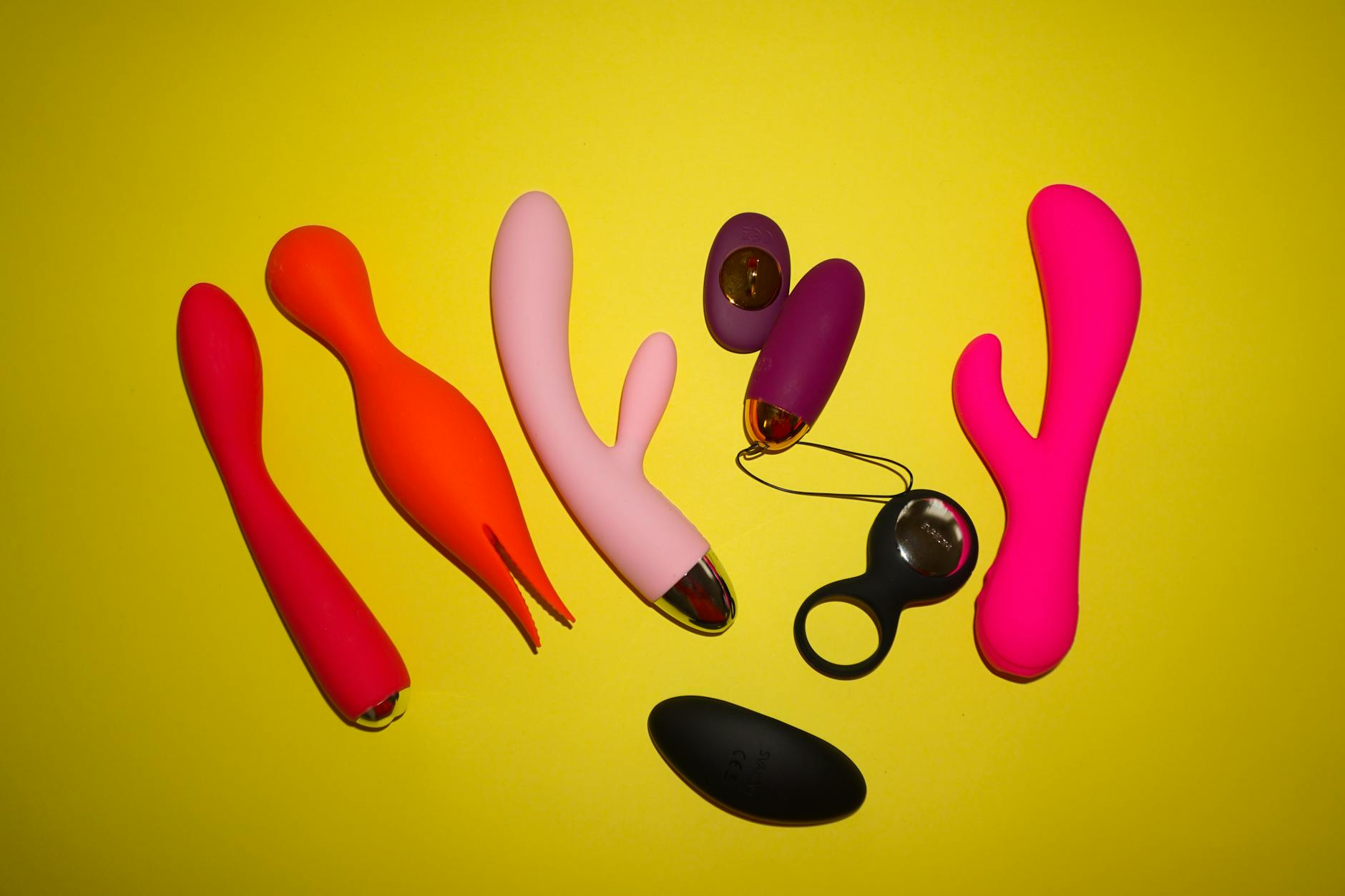
Here's what nobody tells you about temperature shifts
Your body isn't being difficult. It's changing. And those changes—night sweats that leave you drenched, hot flashes that arrive out of nowhere, or that weird thing where your skin feels hypersensitive one day and numb the next—they reshape how stimulation actually feels. A lemon vibrator that felt perfect last month might feel too intense, too cold, or weirdly disconnected this week. That's not failure. That's biology.
The frustrating part is that most pleasure advice assumes your body stays static. It doesn't. And once you understand what's actually happening physiologically, you can work with your shifting sensitivity instead of fighting it.
What temperature fluctuations actually do to sensation
When your core body temperature swings (whether from midlife hormonal shifts, stress response, or cycle changes), several things happen simultaneously to your nerve endings and blood flow. Your skin becomes more reactive to external stimuli. Cold objects feel colder. Vibration intensity feels sharper. At the same time, the tissues around your clitoris are receiving less consistent blood flow, which changes how quickly sensation registers in your brain.
Then add sweat. A thin layer of moisture changes how a vibrator makes contact with your skin. Silicone toys conduct temperature differently than your hand would. And if you're already overheated, adding friction or pressure can feel less like pleasure and more like discomfort.
The relationship between temperature and pleasure isn't just physical, either. If you're already annoyed about night sweats or hot flashes, you're arriving at sex with frustration already loaded. Your nervous system is primed to interpret sensation as intrusion rather than invitation.
Starting with material and temperature prep
Before you even touch a lemon vibrator, cool your body intentionally. This doesn't mean ice baths. It means turning down the room temperature fifteen minutes before you plan to have sex. Open a window. Use a fan pointed away from your partner (that won't be comfortable for them). Put a light cotton sheet or towel within reach.
If you tend to overheat during arousal, have water nearby. Not to drink necessarily, but to wet a washcloth and cool your wrists or the back of your neck between peaks of intensity. Your wrists have major blood vessels close to the surface. Cooling them drops your core temperature faster than cooling anywhere else.
With the vibrator itself, silicone holds temperature. A lemon vibrator that's been sitting in a warm room will feel warmer against your skin than one that's been stored in a cool drawer. This matters. Store your toy in a cool place. If you've just finished a session and want to go again, give it five minutes to cool down. Or keep a small cooling pack (the kind designed for reusable ice therapy) nearby to rest your vibrator against for 30 seconds before reuse.
Sensitivity shifts require pattern switching
Let's say you've been using pattern 5 on your lemon vibrator for months. Your body has learned that intensity, and it delivers reliably. Then one week, pattern 5 feels aggressive. Your tissues are more sensitive, your nervous system is on edge, and you need to start lower.
This is completely normal. Your baseline doesn't stay static across your cycle, across the year, or across your life. The mistake most people make is pushing through and assuming "more intensity" will get you where you need to go. It won't. It'll just frustrate you both.
Instead, start lower than usual. If you typically begin with pattern 3, start with pattern 1. Spend 3-5 minutes at that level. Let your body adjust to the sensation. Then move up gradually. You might find that pattern 2 or 3 is exactly what you need today. Or you might climb higher once your nervous system is activated. The point is you're following your body's actual signal, not your habit.
Some days, you'll need intermittent stimulation instead of continuous. Use the vibrator for 30 seconds, pause for 20 seconds, resume. This rhythm prevents overstimulation and gives your nervous system time to process sensation without overwhelm.
When arousal feels disconnected from temperature swings
Here's a confounding factor: temperature shifts can make you feel disconnected from arousal altogether. You're physically stimulated, but mentally you're elsewhere. You're thinking about sweat. You're annoyed about heat. You're wondering if your partner notices. That mental chatter kills arousal faster than any physical factor.
If this is happening, you might need to separate the physical and emotional conversations. A conversation with your partner about what's actually happening in your body removes the shame. "Hey, I'm dealing with temperature swings right now, and sometimes that makes sex harder, not because I don't want you, but because my nervous system is jumpy" opens a door. It turns an individual problem into a shared one.
Then, practically: dim the lights, use fewer layers, position yourself near air circulation. These tiny changes communicate to your brain that you're in control. And control is what your nervous system needs when it's already feeling destabilized.
Lubrication changes when you're overheating
Sweat is not the same as natural lubrication. Sweat is more acidic, less protective of delicate tissue, and can actually irritate when combined with friction. If you're already sweating, adding a lemon vibrator without supplemental lubrication can create uncomfortable friction.
Use water-based lubricant even if you don't usually need it. Lubrication is not a sign that something's wrong. It's a practical tool. It makes contact smoother, reduces irritation risk, and honestly makes vibration feel less jarring when your skin is already reactive.
If you're prone to overheating, look for lubricants that have a cooling sensation. Some water-based lubes include menthol or peppermint oil. A few seconds of coolness against your skin can paradoxically make the whole experience feel more pleasurable because it aligns with what your body actually wants in that moment.
Timing matters more than you think
If you track your cycle or notice patterns in your temperature swings, use that information. If your worst night sweats happen in the evening, schedule sex in the morning when your body feels more stable. If hot flashes tend to hit mid-afternoon, maybe that's not your optimal window.
This isn't about accepting limitation. It's about honoring your body's rhythm. When you work with your biology instead of against it, pleasure becomes accessible again. A lemon clitoral vibrator that felt impossible to enjoy when you're overheated and frustrated becomes totally intuitive when you've given your body the conditions it actually needs.
You can also use temperature shifts as information about what your body needs more broadly. If you're noticing significant changes in sensitivity, overheating during sex, or night sweats affecting your sleep, that's worth mentioning to your doctor. Sometimes these shifts signal something worth addressing. Sometimes they're just part of transition. Either way, you deserve clarity.
People also ask
How do you know if temperature sensitivity is affecting your pleasure or if something else is?
Pay attention to the pattern. If your pleasure shifts alongside obvious temperature changes (during a particularly hot week, after starting new medication, during a specific phase of your cycle), temperature is likely a factor. If the numbness or discomfort persists regardless of temperature, something else might be at play. That could be emotional (stress, relationship tension), physical (medications, health changes), or neurological (nerve density changes). A conversation with your doctor or a sex therapist trained in working with midlife bodies can help you sort it out.
Can you use lemon vibrators if you have night sweats?
Absolutely. You just need to prep differently. Keep the vibrator cool. Have a towel or sheet within reach. Manage your room temperature before you start. And consider adjusting intensity downward while your body is in active temperature regulation. Your nervous system is already busy managing heat; give it space to also process pleasure.
Does cooling a lemon vibrator in the fridge actually change how it feels?
Yes. A cool toy conducts sensation differently than a warm one, and for many people, that shift from warm to cool is genuinely pleasurable. Just don't freeze it. Five to ten minutes in a cool drawer is enough. And use a barrier (like a soft cloth) between the vibrator and anything extremely cold so you don't shock your skin.
What if you're overheating but still want to have sex?
Change the conditions rather than change your desire. Lower room temperature, reduce layers, position yourself to catch air flow, use lubrication, and potentially adjust intensity or duration. Sex doesn't have to be a 30-minute session. Sometimes a focused 10-minute window with a lemon vibrator when conditions are right is more pleasurable than a longer session when your body is working against you.
Should you talk to your partner about temperature sensitivity affecting pleasure?
Yes. If your sensitivity or comfort level is shifting, your partner benefits from knowing. This isn't a complaint about them. It's information about your body. "I'm dealing with some temperature stuff right now, so I might need different positioning or a shorter session" is useful. It prevents them from interpreting your discomfort as disinterest, and it opens space for you both to problem-solve together.
Can hormonal changes cause both temperature swings and increased clitoral sensitivity?
Completely. Hormonal fluctuations affect blood flow, nerve endings, and your nervous system's baseline reactivity. So yes, you might experience hot flashes and simultaneously have a more sensitive clitoris. That's your body working exactly as it should, just in ways that feel confusing. The solution is the same: lower your starting intensity, add lubrication, manage external temperature, and let your body set the pace.
What comes next
Your body isn't broken. It's responding to real physiological shifts. Once you stop fighting those shifts and start working with them, pleasure becomes available again. That might mean cooling your vibrator before use. It might mean starting with a lower pattern. It might mean having a conversation with your partner about what your body actually needs right now. These aren't compromises. They're the actual terms of access to your own pleasure.
If you're noticing significant changes in sensation, temperature regulation, or arousal that persist beyond a few weeks, reach out to your healthcare provider or contact our team for guidance on how to adapt your practice.