Let's be real about rushing
You know that feeling when you're having sex and suddenly you realize you have no memory of the last five minutes. You were there, your body was doing the thing, but your mind was somewhere else. Your nervous system was in fast-forward. You were checking off boxes instead of actually feeling.
That's the opposite of what pleasure is supposed to be. And here's the uncomfortable part: most of us have trained ourselves to do exactly that.
Why we rush through pleasure in the first place
Three reasons collide here. First, cultural messaging taught most of us that sex has a finish line. Orgasm is the goal, sensation is the vehicle, and anything that slows that down is wasting time. Second, many people spend years masturbating on a schedule. Fifteen minutes in the bathroom before work. Quick, efficient, goal-focused. Your nervous system learned that routine. Third, if you're with a partner, there's often an invisible pressure to be done at some expected tempo. Nobody says it out loud, but it shapes everything.
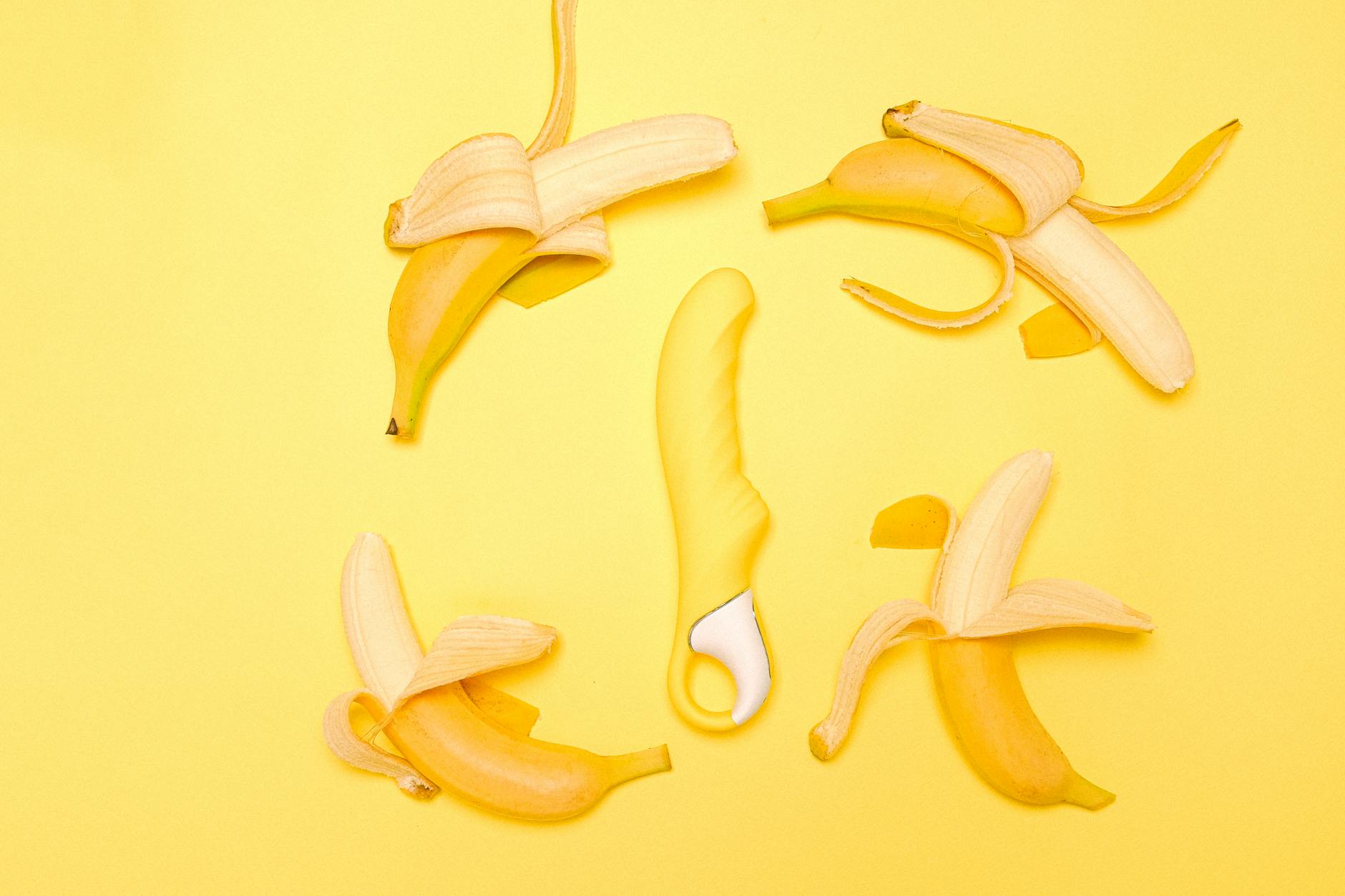
Lemon vibrators change the equation because they introduce a different kind of sensation. The suction-based design of a lemon clitoral vibrator doesn't feel like traditional vibration. It builds more slowly. It rewards patience. It almost demands that you pay attention.
How slower sensation actually rewires your nervous system
When you rush, your nervous system stays in sympathetic activation. Your heart rate climbs fast. Your attention gets narrow. You're in that "get to the finish" energy. The problem is, your body can't distinguish between "rushing because I'm excited" and "rushing because I'm anxious." Both feel like an emergency.
When you slow down intentionally, your nervous system has time to shift into parasympathetic activation. That's the rest-and-digest state. Your breath deepens. Blood flow distributes more evenly. Your brain actually has room to process sensation instead of just chasing release.
With lemon sexual toys, this shift happens naturally because the stimulation pattern itself is less intense. You're not grinding away at high vibration. You're letting suction work. You're exploring patterns at lower settings. Your body isn't forced into a sprint.
The practical setup for slow sensation play
Here's what I tell clients who want to actually slow down and feel more:
1. Block actual time. Not "I'll fit this in," but a real calendar block. Thirty minutes minimum. Most people find that slowing down requires permission, and permission requires protecting the space.
2. Start with the lowest pattern. Lemon clitoral vibrators typically come with multiple patterns. Start at setting one. Sounds obvious, but most people skip this and jump to their comfortable intensity. Slow means you're rebuilding the map of your own sensation.
3. Use water-based lubricant. This isn't about need. It's about signal. Applying lube is a pause point. It's a moment where you consciously step into the experience instead of just falling into it.
4. Put your phone in another room. Not on silent. Not face-down. In another room. Your nervous system needs to believe that nothing else is competing for your attention.
5. Track your breath. This sounds clinical but it's the real anchor. When you notice your breathing getting shallow, pause. Breathe for a minute. Let your body settle. This simple act trains your nervous system that you're choosing this pace, not being rushed through it.
What actually happens when you slow down enough to feel
In my practice, I see a consistent pattern. People spend the first five to ten minutes of intentional slow play feeling impatient. Their nervous system is saying, "Why aren't we speeding up?" This is normal. Sit with it. By minute ten, most people report that the sensation starts changing. You notice texture. You notice that some areas feel different than others. You become aware of your pelvic floor. The sensation becomes three-dimensional instead of just directional.
Around minute fifteen, something shifts. The buildup isn't feeling like frustration anymore. It's feeling like anticipation. Like you're actually present. This is what people are usually chasing when they think they want "more sensation," but what they actually need is "more presence."
Lemon vibrators, with their gentler suction-based design, are particularly good for this work because they don't force intensity. A lemon clitoral vibrator will give you more sensation if you want it, but it doesn't push you there. You have to ask for it. That matters.
How to integrate this with a partner
If you have a partner, slow sensation play changes the dynamic entirely. Most couples have never actually watched each other come slowly. We've watched orgasm, sure, but we haven't watched the journey. We've been too busy rushing.
Honestly? Tell them you want to try something different. You want to slow down enough that you can actually feel and that you might use a lemon sucker because it lets you control the pace. Then actually do it with them present. Not necessarily touching. Maybe they're reading in the same room. Maybe they're watching from across the room. The presence alone changes the nervous system.
When a partner can see what slow pleasure looks like on your face, on your body, in your breath, it usually opens something in the relationship. They often want to try the same thing. You end up having a completely different conversation about sex than the one you've been having.
The rewiring that sticks
Here's what I've observed after working with hundreds of couples: once your nervous system learns that slow = deeper, it's hard to go back. You might still have quickies. But your baseline changes. Your body no longer assumes that sex has to be a sprint. That shift is worth everything, because it means pleasure becomes something you can actually access, not just something you're chasing.
Lemon sexual toys, and especially tools like the lemon clitoral vibrator, give you a physical ally in this rewiring. They make slow feel good. They make presence feel natural. And honestly? That's the point.
FAQ
How long does it actually take to feel the difference with slow play?
Most people notice a shift between ten and twenty minutes. The first five to ten minutes usually feel weird or impatient, which is completely normal. Your nervous system is used to a faster rhythm. Give yourself at least three sessions of intentional slow play before you judge whether it's working. The rewiring happens gradually.
Can I use a lemon vibrator slowly if I'm used to high-intensity toys?
Absolutely. In fact, if you're used to high intensity, slow play with a lemon clitoral vibrator can feel surprisingly new because the sensation is so different. Start at the lowest setting even if it feels too gentle. Your sensitivity will adjust over a few sessions. Many people find that what felt "too soft" becomes deeply satisfying once their nervous system isn't chasing intensity.
Is slow play the same as edging?
Not quite. Edging is intentionally building toward orgasm and pulling back. Slow play is building toward presence. You might orgasm, or you might not. That's not the goal. The goal is to actually feel the journey. Slowing down makes edging possible if you want it, but edging isn't the point.
What if my partner thinks slow sex is boring?
That's usually because they haven't experienced it. Slow sex is the opposite of boring once you actually feel it, but it requires patience on the front end. Invite them to try one session. Set a timer for twenty minutes. Both of you commit to staying. Most partners are surprised by how different it feels when both people are actually present.
Can I practice slow play solo and then with a partner, or should I do both at the same time?
Start solo. You need time to figure out what slow actually feels like for your body without any pressure. Once you've done three to five solo sessions where you genuinely feel the difference, then bring a partner in if you want to. Solo practice gives you a reference point. It makes the partner version deeper.
How do lemon sexual toys compare to other vibrators for slow play?
Most vibrators are designed for intensity. They reward speed. A lemon sucker is designed differently. The suction pattern is inherently gentler. The sensations layer instead of pile on. That design choice makes slow feel supported. You're working with the toy's nature, not against it. That's why they work so well for this specific goal.