How to Use Lemon Vibrators When You Want to Explore With a New Partner
Introducing a clitoral vibrator into a new relationship is different than using one alone. You're not just thinking about your own pleasure anymore. You're navigating someone else's comfort, expectations, and sometimes insecurity. That's actually a good place to start, because it means you're already thinking about consent and communication. Most people don't.
Here's what I see in my practice: people either hide the vibrator like it's contraband, or they spring it on a partner mid-encounter without any setup. Both approaches turn what could be an exciting shared experience into something that feels sneaky or presumptuous. There's a middle path, and it's not complicated.
The conversation that matters (and when to have it)
Let's be real. You're probably nervous about bringing this up. That's normal. But the anxiety you feel before the conversation is always worse than the conversation itself.
Timing is everything. Don't mention it during sex. Don't mention it right before. Mention it during a regular, clothed moment when you're both relaxed. You could be making coffee, sitting on the couch, or even texting if that feels more natural. The goal is casual, not clinical.
Here's what actually works: "I've been thinking about trying something new. I'm curious if you'd be interested in exploring with a clitoral vibrator together." That's it. You're not asking permission for your own body. You're inviting them into something you want to try together. It's collaborative from the start.
Expect questions. "Why do we need that?" is the most common one, and it usually contains some worry underneath. He might think you're not satisfied. She might worry she's not enough. They might just be curious. Don't assume the worst interpretation. Address what's actually being asked: "I want to see what different sensations feel like with you here. I think it could be fun for both of us." That's true, and it reframes the vibrator from "something is wrong" to "let's experiment."
Why a lemon vibrator actually works better for this moment
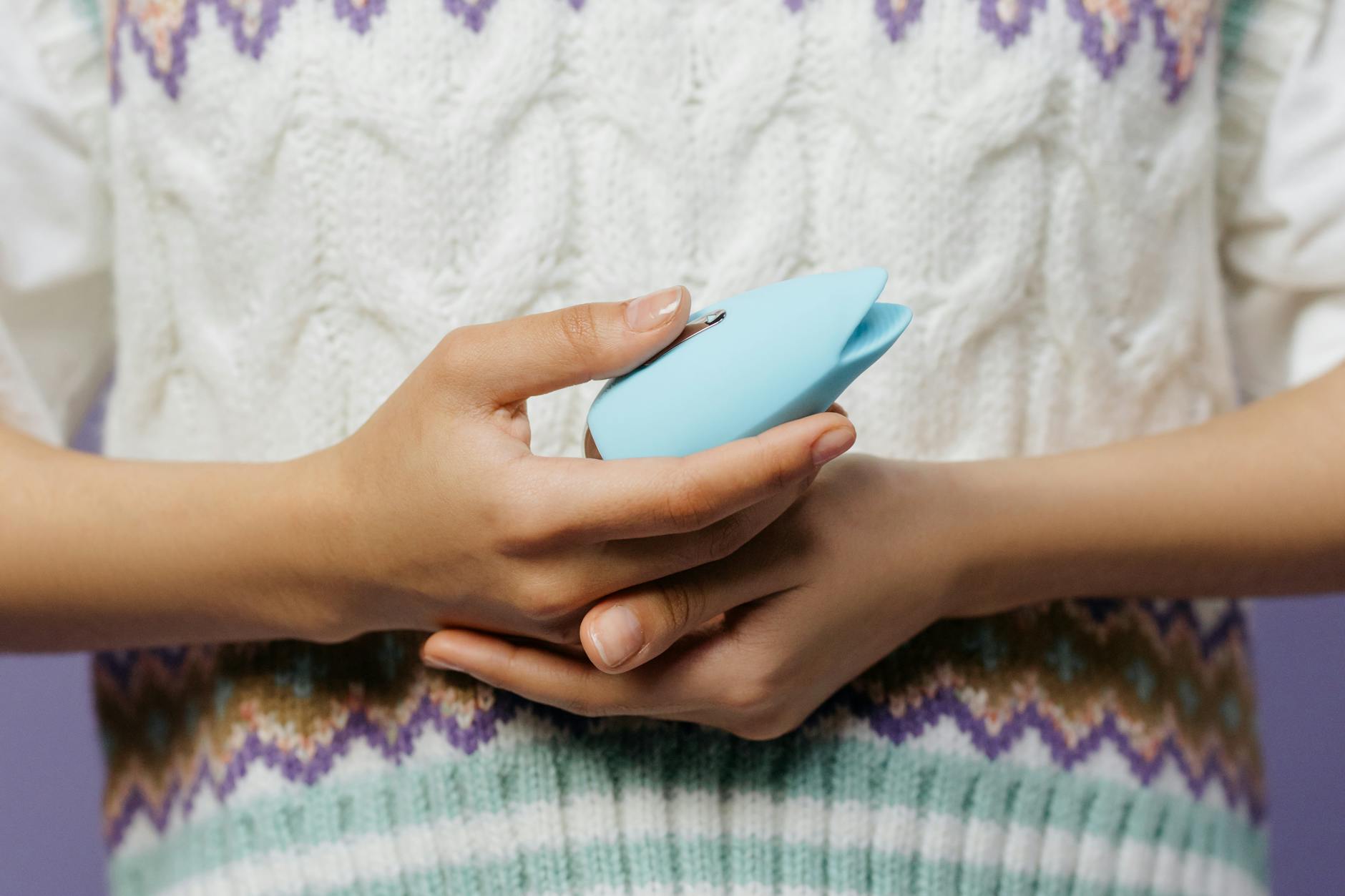
If you're new to exploring with a partner, the design of a lemon clitoral vibrator matters. Air-suction clitoral vibrators like the Lem create a sensation that's completely different from fingers or penetration. That difference is the whole point. It's novel for both of you.
But here's what makes it work for couples specifically: the Lem is small enough to stay intimate. Your partner can hold it, you can control the pattern, and you're not dealing with a massive wand that takes up the whole bed and makes things feel clinical. The sensation is intense enough to get real results, but the form factor keeps the encounter feeling romantic instead of industrial.
The first time you use it together (logistics)
Plan the first encounter. I don't mean schedule it for Thursday at 7 p.m. (though you can). I mean talk beforehand about what the scene might look like. Will they hold it? Will you? Will they watch while you use it, or will you use it on them? Will it be part of foreplay before penetration, or instead of? These conversations sound unsexy until you're actually in the moment and both of you are clear on what you're doing.
Start with less intensity than you'd use alone. If you normally explore at pattern 5 on a lemon vibrator, start at pattern 2 or 3. The reason isn't that your partner's presence changes your pleasure threshold. It's that novelty can make sensation feel stronger. You want your first shared experience to feel good, not overwhelming.
Let them participate. If they want to hold the vibrator, let them. If they want to control the pattern, let them (you can always ask for changes). If they want to just watch and touch you elsewhere, that's fine too. The participation creates presence. That's what turns it from a prop into an experience.
Managing the emotional layer
Your partner might feel weird watching you use a vibrator. Some people do. Some people feel excited. Some feel neutral. None of these reactions are permanent, and most shift after the first time.
If your partner seems uncomfortable, here's what doesn't help: reassuring them that "they're enough" or "you only need them." That's defensive and it feels dishonest. Instead, say something like, "This is something I want to experience with you. That's different." Because it's true. A vibrator is a sensation, not a person. It's not replacing anything.
If you feel self-conscious being vulnerable in front of them, name it. "I might feel a little awkward at first, but I want to do this with you." That honesty usually brings a partner closer instead of pushing them away.
What to do if the first time doesn't go as planned
Maybe you couldn't relax because you were in your head. Maybe your partner was in their head. Maybe the positioning was awkward. Maybe nothing happened at all. That's all completely normal.
Resist the urge to turn it into a bigger conversation than it needs to be. You don't need to debrief or analyze unless there's something actually wrong. You can just say, "That was fun, let's do it again," or "That was awkward, but I want to try again when we're less tired." Sometimes the best moments happen on the second or third try, not the first.
How this changes as your relationship deepens
Once you've crossed this bridge together, everything shifts. Talking about sex becomes easier. Asking for what you want becomes possible. That's not because the vibrator is magic. It's because you've already had the hardest conversation. You've already been vulnerable. Everything after that is lower stakes.
Many couples find that exploring with a lemon vibrator opens the door to other conversations about pleasure that were stuck before. Maybe you want to spend more time on foreplay. Maybe you want to try something you've never mentioned. Maybe you just want permission to say, "I want this tonight," without it being a whole thing. That permission usually starts here.
If you're looking to explore beyond lemon vibrators, the dynamics stay the same. Communication first. Timing matters. Participation creates connection. Check in, not constantly, but genuinely. And remember that good sex with a new partner isn't about performance. It's about gradually building trust that you can ask for what you want and actually get it.
Frequently asked questions
Is it normal to feel embarrassed introducing a vibrator to someone new?
Completely normal. You're introducing something intimate and admitting you want to explore pleasure. That's vulnerable. The embarrassment usually fades after you've done it once. Your partner's reaction matters less than you think it does. Most people are relieved you brought it up instead of hiding it.
What if my new partner says no?
That's data. That's them telling you something important about their comfort level, their beliefs about sex, or their readiness for this kind of exploration. You can ask if it's a hard no or a "not right now" no. You can also decide if that's a dealbreaker for you. But you can't make someone want to explore with you. The conversation itself, though, often plants a seed. People change their minds.
Should I tell them I've used a vibrator solo before?
You don't owe anyone your sexual history. If they ask, you can be honest. If they don't ask, you don't need to volunteer it. What matters is that you're inviting them into something now, not defending what you did before.
Is it better to use it during foreplay or as part of penetration?
Both work, but they're different experiences. As foreplay, it's purely about clitoral pleasure and arousal. As part of penetration, it can enhance sensation without replacing penetrative contact. Try both and see what feels good. There's no rule here.
What if we use it and then they want it every time?
First, that's actually not a problem. Second, it probably won't happen. But if it does, that's a conversation about varying your routine. You can use it sometimes and not others. You can set expectations. "Let's use this on Friday nights" is completely reasonable. You can also set a boundary. "I want to try other things too." Both are fine.
How do I know if they actually enjoyed it or if they were just being nice?
You can ask. "Did you like that?" is a direct question with a direct answer. People are usually willing to be honest if you give them permission. You might also notice signs: they're relaxed after, they bring it up again, they seem engaged during. But the only way to really know is to ask, which is also the only way to build actual intimacy.
The bigger picture
Introducing lemon clitoral vibrators to a new relationship isn't really about the vibrator. It's about practicing the skill of asking for what you want and making space for your partner to do the same. That skill transfers everywhere. To conversations about work stress, family time, emotional needs, everything.
You're not just exploring pleasure. You're building a foundation where both of you can say what matters without shame. That's relationship infrastructure. The vibrator is just where you're practicing it.
If you're still nervous, that's okay. Take the first small step. Have the conversation. Everything that follows gets easier from there. And if you want more guidance on how to reconnect after relationship conflict, that's another angle worth exploring together.