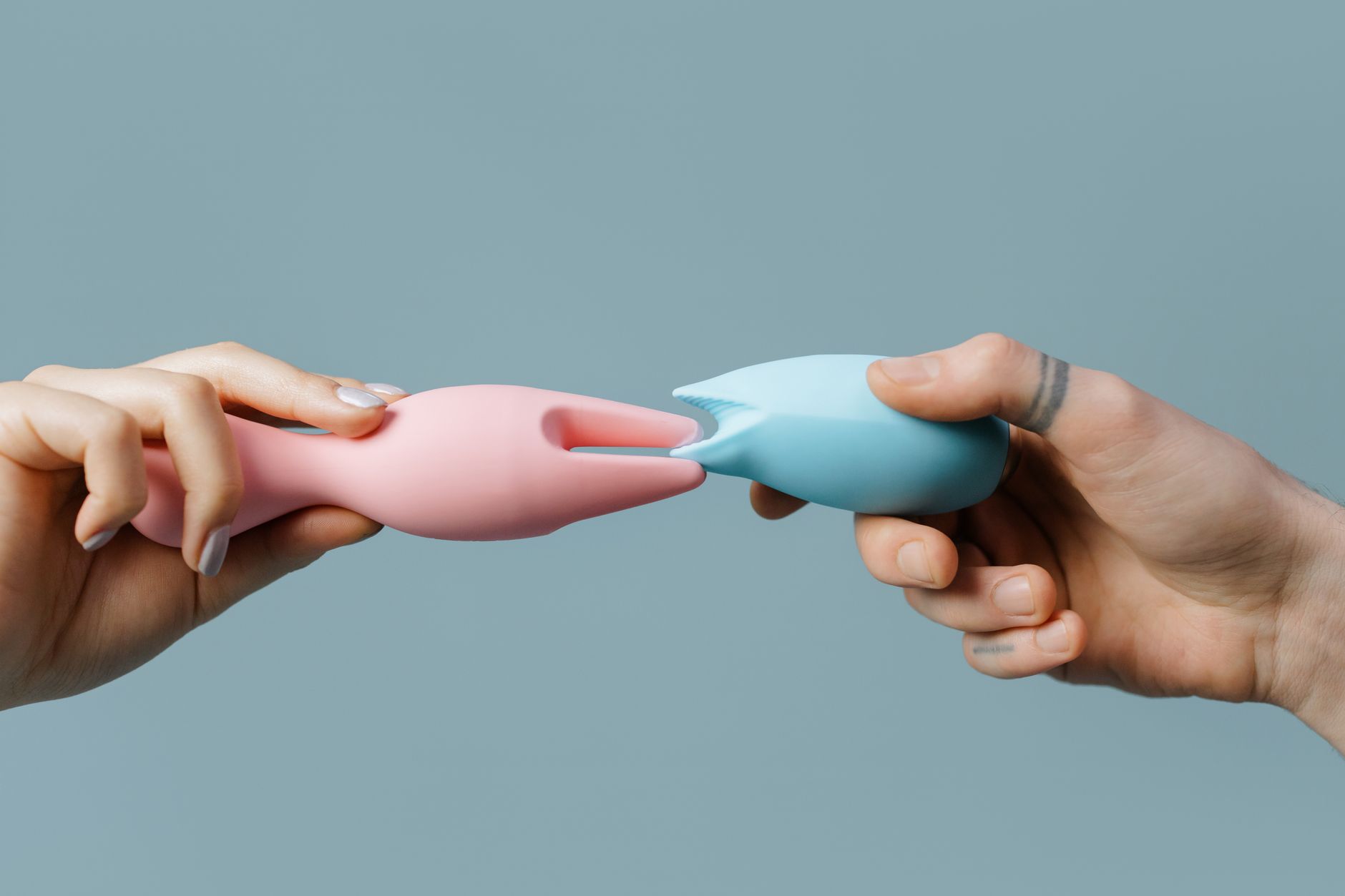
How to Use Lemon Vibrators When You Want to Explore Solo After a Long-Term Relationship Ends
Honestly, breakups rewire pleasure. For years, your body learned to respond to a partner's touch, a partner's timing, a partner's preferences. Solo pleasure after a long-term relationship can feel weirdly unfamiliar, even uncomfortable.
The good news: that's completely normal, and it changes fast. A lemon clitoral vibrator becomes less about replacing partnership and more about reclaiming ownership. Your pleasure. Your pace. Your body, finally just for you.
Why breakup timing matters for solo exploration
Right after a breakup, you're in one of two states. Either you're grieving and sex feels irrelevant, or you're looking for anything to feel good again. Both are valid entry points, but they need different approaches.
Grief makes pleasure feel disloyal. Your body might feel guilty for feeling good without the person who was part of that experience for years. That guilt isn't a sign you're doing something wrong. It's a sign you're processing loss. Give yourself 2-4 weeks before introducing toys if you're in this phase. Let the acute grief settle first.
If you're in the "I want to feel something good again" phase, you're actually in the best possible window to explore solo pleasure. Your nervous system is hungry for positive sensation. That's not recklessness. That's resilience.
The mental shift solo exploration requires
After a long-term relationship, solo pleasure often carries phantom guilt. You might catch yourself thinking: "Is this weird? Should I feel bad?" No and no again.
Here's what I tell clients in my practice: partnered pleasure is collaborative. Your body learned to sync, compromise, prioritize mutual timing. Solo pleasure is selfish in the best possible way. It's about pure sensation with zero negotiation. No one's waiting. No one's watching. No schedule but yours.
That freedom can feel strange at first. A lemon clitoral vibrator helps because it's external and specific. You're not trying to perform or match anyone's energy. You're literally just exploring what feels good to your body in isolation.
Starting with gentleness, not intensity
Many people coming out of long-term relationships jump straight to high-intensity vibration because they assume they need to "make it count." That's usually the opposite of what your body needs.
After years of partnered sex, your nervous system might be overactive. You're processing grief, hormone fluctuations from the stress of separation, possibly sleep deprivation. Add intense vibration to that and you'll likely feel overstimulated rather than pleasured.
Start at the lowest setting on a lemon vibrator. I mean the actual lowest. Spend 10-15 minutes there. The goal isn't orgasm. The goal is gentle reacquaintance with sensation. Many clients tell me this phase feels less like pleasure and more like meditation. That's exactly right.
Relearning your own arousal patterns
In a long-term partnership, your arousal probably synchronized with your partner's. Now you get to learn what your body actually wants outside of that rhythm.
Try this: set aside 20-30 minutes with zero pressure for orgasm. No partner, no distractions. Use the lemon vibrator at the lowest setting and notice what happens. Does your body want slow teasing? Fast rhythm? Circular motion? Does arousal build gradually or show up suddenly? Does your attention wander?
These questions sound clinical, but the answers are genuinely important. You spent years responding to someone else's pace. Rediscovering your own takes active attention.
One detail that shifts everything for post-breakup explorers: you get to change your mind mid-session. If something isn't working, you stop. No negotiation, no communication, no feeling like you've let someone down. That autonomy is its own kind of pleasure.
Why lubrication matters more than you think
Breakups are physiologically stressful. Cortisol spikes, sleep suffers, hydration often drops because you're either eating nothing or stress-eating. Your body's natural lubrication often reflects that stress.
Water-based lubricant isn't a sign of failure. It's a practical tool that keeps solo exploration comfortable instead of frustrating. Most people coming out of long-term relationships underestimate how much they need it. Use more than you think you need.
A lemon clitoral vibrator works beautifully with lubricant. The suction mechanism responds better when there's glide, and you'll find you can explore longer without the friction that might feel raw when your nervous system is already sensitive.
The solo pleasure rhythm that actually works
Couples often fall into weekly or predictable timing for sex. Solo pleasure after a breakup works better when it's less scheduled and more intuitive.
Try exploring 2-3 times per week rather than daily. This gives your nervous system recovery time and keeps pleasure from becoming compulsive (a trauma response) versus genuinely nourishing. It also means when you do reach for a lemon vibrator, your body is actually wanting it rather than seeking it out of habit or loneliness.
Quality over frequency. Ten minutes of actual presence with your body beats thirty minutes of checking your phone and waiting for sensation.
When comparison sneaks in
Here's where post-breakup solo exploration gets tricky: you'll inevitably compare this to partnered pleasure. That's not a problem until you decide one is better or worse. They're just different.
Solo pleasure with a lemon clitoral vibrator offers something partnered sex didn't: complete control, zero performance pressure, and the freedom to change your mind instantly. Partnered pleasure offered intimacy, shared vulnerability, and someone else's presence. They're not competitors. They're just different experiences.
When comparison shows up (and it will), name it gently and move on. "I'm noticing I'm thinking about how this used to feel with them." Then redirect your attention back to the sensation. Your body's here now. That's enough.
The grief that shows up mid-pleasure
This happens more than people talk about. You're exploring solo, sensation is building, and suddenly you feel sad. Or angry. Or both.
That's not a sign to stop. That's your nervous system processing multiple things at once. Sadness and arousal can exist in the same moment. Grief and pleasure aren't opposites. They can run parallel.
If it feels manageable, keep going. If it feels overwhelming, pause, breathe, maybe journal for five minutes. Then decide if you want to continue or wrap up. No judgment either way.
Building confidence through consistency
Solo exploration isn't just about pleasure. It's about rebuilding trust in your own body. After a breakup, that trust often feels shaky. You relied on someone else's desire to validate your desirability. Now you get to build that validation from inside.
Consistency matters. Not rigidity. Just showing up for yourself regularly enough that your body learns it's safe again. That you're worth time. That your pleasure matters even when no one else is watching.
Many clients tell me that after 4-6 weeks of regular solo exploration with a lemon vibrator, something shifts. The experience stops feeling like "getting over the breakup" and starts feeling like "getting into myself." That's the inflection point where healing actually accelerates.
When to consider professional support
If solo exploration triggers intense shame, dissociation, or feels completely inaccessible even weeks after the breakup, that's worth discussing with a therapist. Breakups can surface trauma, sexual anxiety, or grief that's bigger than the relationship itself.
There's no timeline for this. Some people are ready to explore solo pleasure two weeks after a breakup. Others take months. Both are normal. A therapist specializing in relationships or sex can help you understand what's happening and what you actually need.
The real gift of solo exploration
Beyond the pleasure itself, solo exploration after a long-term breakup teaches something important: your body belongs to you. Your desire isn't dependent on someone else's presence. Your pleasure doesn't require partnership to be valid.
That's not bitterness toward your ex. That's self-knowledge. And honestly, that knowledge makes better partners later, if partnership interests you again. You're not looking for someone to complete you or validate your sexuality. You're looking for someone to complement something you already know and trust about yourself.
A lemon clitoral vibrator is just the tool. The real work is showing up for yourself with the same care you probably showed your partner for years. Your body has been waiting for that attention. Now it finally gets it.
FAQ: Solo Exploration After Long-Term Relationships
How long after a breakup should I wait before exploring with toys?
There's no universal timeline, but 2-4 weeks is a reasonable window for most people. If you're in acute grief, wait. If you're craving positive sensation, you're probably ready. Listen to your body, not a calendar.
Will solo pleasure make me miss my ex more?
Sometimes. Pleasure can trigger nostalgia, and that's okay. It doesn't mean you should stop. It means you're processing multiple things at once. The intensity of that usually fades as weeks pass and your nervous system settles.
Is it normal to feel guilty about solo pleasure after a breakup?
Completely normal. You're rewiring years of partnered experience. Guilt fades faster if you acknowledge it ("I'm noticing guilt") rather than fighting it. Keep exploring anyway. The guilt usually settles within 4-6 weeks.
Should I use a lemon clitoral vibrator or try something different?
A lemon vibrator is genuinely ideal for post-breakup exploration because the suction mechanism offers sensation without the intensity of some traditional vibrators. It's precise, controllable, and perfect for relearning your own preferences. That said, if you feel drawn to something different, that matters too. Trust your instinct.
What if I can't orgasm during solo exploration?
Orgasm isn't the goal, especially early on. Sensation, presence, and reconnection matter more. Many people find that as their nervous system relaxes and they get more familiar with their own rhythm, orgasm becomes easier. Pressure to come is usually the thing preventing it.
Can solo exploration help me move forward from the breakup faster?
It can help you move into yourself faster, which indirectly helps with breakup recovery. When you're grounded in your own body and pleasure, the breakup stops defining your entire identity. You're not "person going through a breakup." You're a person who's navigating change and also discovering things about yourself. That perspective shift matters.
References and Resources
This guidance draws on principles from Gottman Method relationship therapy, trauma-informed somatic practice, and clinical approaches to post-relationship resilience. If you're navigating grief or complex emotions around breakup recovery, working with a licensed therapist can offer personalized support.