Let's talk about the invisible trade-off
You start a new medication. It helps. Your mood stabilizes, your anxiety drops, your cycle gets regular. And then, slowly or all at once, sex becomes impossible. Not emotionally. Physically. Your body stops responding the way it used to, and no amount of desire or effort changes that.
This is not in your head. It's not a relationship problem you can talk through. And it's not permanent, though it feels that way when you're living it.
What medications actually do to sensation
Antidepressants (especially SSRIs like sertraline and paroxetine) are the most common culprits. They work by increasing serotonin availability in your brain, which is great for mood and anxiety. The catch: serotonin also regulates sexual response. Higher serotonin can dampen dopamine (the pleasure and motivation chemical), which flattens arousal.
Hormonal birth control does something similar but different. It suppresses the hormonal fluctuations that normally drive desire and physical responsiveness. For some people, this is a relief. For others, it erases sensation entirely.
Other medications that commonly affect pleasure include blood pressure drugs, antihistamines, and some antipsychotics. The more you know about your specific medication's side effect profile, the less likely you are to blame yourself for something your body chemistry is doing without your permission.
The disconnection trap
Here's where it gets psychological: when sex stops working, you stop trying. You avoid your partner. You avoid yourself. You assume your sexuality is gone, when actually it's just buried under a layer of pharmaceutical interference.
The longer you stay disconnected, the harder it is to find your way back. Your pelvic floor tenses up from disuse. Your brain stops making the neural connections that support arousal. Your partner interprets the distance as rejection. And suddenly medication-induced numbness becomes a relationship crisis.
Breaking that cycle requires three things: honesty about what's happening, patience with your body's timeline, and a tool that can help you bypass the numbness and rebuild sensation intentionally.
Why lemon vibrators help when sensation flattens
Clitoral vibrators, especially air-suction models like Lemons Vibrators' design, work through a completely different neurological pathway than what medication disrupts. Instead of relying on your brain's dopamine response or your body's natural lubrication and arousal cascade, they create localized stimulation that can cut through numbness.
The suction pattern bypasses the usual sensory threshold. Where your body used to need time to warm up and respond, a lemon vibrator creates immediate, concentrated stimulation that your nervous system can actually feel. You're not waiting for desire to build. You're using external input to create sensation first. Desire often follows.
This matters because it lets you separate two things that medication tangles together: the physical sensation itself, and the emotional response to that sensation. You can have one without waiting for the other.
Starting over: the practical reset
If you've been disconnected for months or longer, your body needs a gentle re-introduction to pleasure. This isn't about jumping into partnered sex or chasing the orgasms you used to have.
Start solo. Give yourself 10-15 minutes alone with no pressure to come. Use your lemon vibrator at the lowest setting and just explore what sensation feels like now. You're mapping new nerve pathways, not recreating old ones.
Many people find that air-suction lemon clitoral vibrators feel less intense and more controllable than traditional vibrations when sensation is compromised. You can adjust pressure and pattern without losing the stimulation entirely. Start at setting one. Stay there for several sessions. Let your nervous system recalibrate.

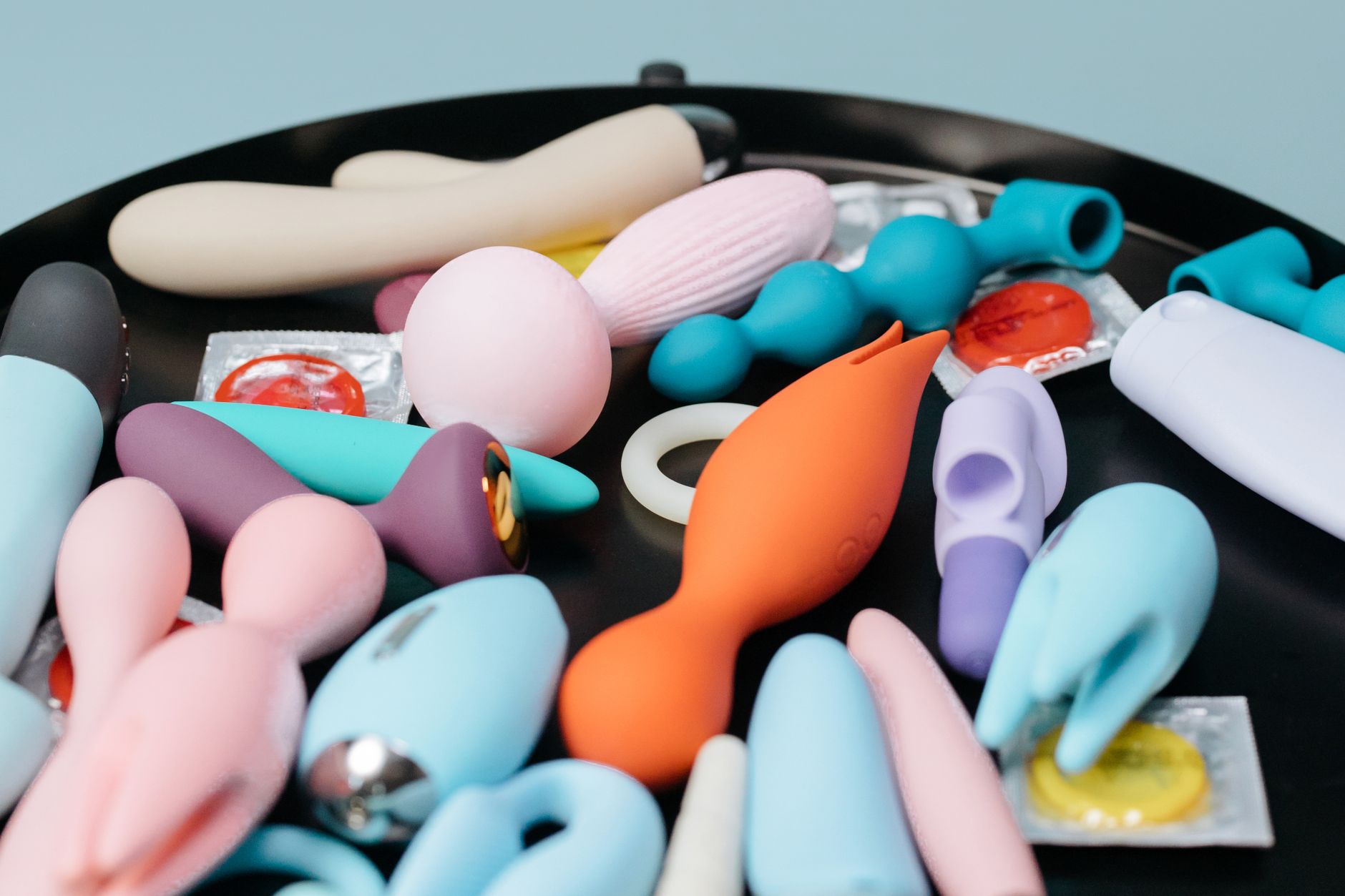
Photo by cottonbro studio on Pexels
Lubrication matters now more than it did before. Medications often dry things out (ironically, even as they numb sensation). Use water-based lube generously. It's not a sign of failure. It's just part of rebuilding right now.
The medication conversation with your doctor
Before you assume you're stuck with this side effect, talk to your prescriber. You have options that most people don't know exist.
You can switch to a different medication in the same class that affects dopamine less aggressively (bupropion, for example, is an NDRI instead of an SSRI and affects pleasure differently). You can lower your dose slightly. You can add a second medication that counteracts the sexual side effect (wellbutrin is sometimes prescribed specifically for this). You can take medication at a different time of day to shift when the peak concentration hits.
None of these require you to give up the medication that's actually helping your mental health. But you do need to tell your doctor that this side effect matters to you. Don't be vague about it. Say: "This is affecting my sexual function and my relationship, and I'd like to explore alternatives."
Some doctors will dismiss this. That's information. Find a different doctor.
Rebuilding with a partner
If you have a partner, you need a separate conversation from the medical one. This is about vulnerability, not problem-solving.
Let them know: I'm experiencing this side effect, I'm working with my doctor on it, and I still want to be intimate with you. But it's going to look different for a while. I might need more time. I might need a lemon vibrator in the mix. I might not feel what I usually feel, and that's not about you.
Then invite them into the rebuild. You're not performing sexuality for them. You're exploring sensation together, with the tool that actually works right now. Some couples find this is the most honest sex they've had in years.
If you feel numb even with a vibrator, don't push harder. Numb is information. It means your medication dose might be too high, or you need a different med, or you need more time. It's not a failure.
The timeline nobody talks about
If you're switching medications, sensation often returns within 4-8 weeks, though it can take longer. If you're staying on the same medication but rebuilding intentionally, it's slower. You're rewiring neural pathways. That takes consistent, gentle practice over weeks or months.
Don't measure progress by orgasm. Measure it by what you can feel. Can you feel the vibration? Can you feel your own touch? Can you notice arousal in your body at all? These are wins.
Some people regain sensation exactly as it was before. Others find their pleasure works differently now, in ways that might actually be better. Slower to build, harder to numb out from. More connected to real desire instead of automatic response.
When to get professional support
If you've been on the same medication for six months, you've tried lemon vibrators intentionally, your partner is on board, and sensation still hasn't returned, talk to a sex therapist. Not because anything is wrong with you. Because this is exactly what they're trained to help with.
A good sex therapist can help you distinguish between medication side effects and relationship patterns that might be compounding the problem. They can work with you and your partner on intimacy that doesn't depend on sensation returning on a timeline.
Your sexual health matters. It's connected to your sense of self, your relationship, and your overall well-being. Treating it seriously, and getting help when you need it, is part of taking care of yourself.
The honest truth
Medication side effects are real and they're not your fault. But they're also usually fixable, or at least manageable. You don't have to choose between mental health and sexual health. That's a false choice.
A lemon vibrator is one tool in the toolkit. Your doctor is another. Your partner's patience is another. Your own willingness to explore pleasure differently, without shame, is the biggest one.
Sensation comes back. Desire rebuilds. Your body remembers how. It just needs permission, patience, and the right support.
People also ask
How long does it take for sensation to return after starting medication?
If the numbness is medication-related, sensation often starts improving within 2-4 weeks of switching meds or adjusting your dose. If you're staying on the same medication, rebuilding sensation intentionally with a clitoral vibrator typically takes 4-8 weeks of consistent, gentle practice. Everyone's timeline is different. Your nervous system needs time to recalibrate. Rushing it backfires.
Can I use a lemon vibrator safely if I'm numb from medication?
Yes, absolutely. Numbness from medication doesn't mean your tissue is fragile. It just means sensation is muted. Start at the lowest setting and work up. Let your body tell you what feels right. Water-based lube helps. The whole point is to create enough stimulation that your nerves can actually register it. That's the whole value.
What if my partner doesn't understand why I need a vibrator now?
Many partners assume a vibrator means they're not enough. That's usually a conversation about insecurity, not about the vibrator itself. You might try this framing: "My medication changed how my body works. A vibrator helps me find sensation again. It's not about you. It's about me getting back to myself." Some partners need to hear that this actually helps you stay connected to them, not replace them. If the resistance continues, couples therapy can help bridge that gap.
Is it normal to feel nothing even with a vibrator when on medication?
Yes, depending on your medication and dose. Some meds numb sensation so thoroughly that even a vibrator takes time to break through. This usually means your dose is on the higher end or the medication is particularly numbing. It's worth flagging to your doctor. You might need to adjust timing, dose, or medication type. Feeling nothing is your body's way of saying something needs to change.
Should I tell my doctor I'm using a vibrator for this?
You don't need to, but you might consider mentioning that you're experiencing sexual side effects and exploring ways to manage them. Your doctor doesn't need details. But knowing that you're actively working to reconnect with pleasure gives context. Some doctors will have suggestions. Others won't. Either way, you're being honest about a real health concern.
Can medication side effects on sensation damage my relationship?
They can, but they don't have to. The damage usually happens when couples don't talk about what's actually going on. You think it's rejection. They think you've fallen out of love. Everyone builds resentment. The medication becomes a scapegoat for every intimacy problem. Naming it clearly, and rebuilding together with honesty, often actually strengthens relationships. You're in this together. Act like it.