Let's talk about what your cycle actually does to pleasure
Honestly, nobody tells you this part. Your clitoris doesn't wake up the same every morning. Hormonal shifts across your cycle change blood flow, nerve sensitivity, and how quickly you reach arousal. Some days, light touch sends you flying. Other days, you need real pressure to feel anything at all. And then there are days when everything feels too much.
This isn't dysfunction. It's biology. And once you understand it, using lemon vibrators becomes way less confusing.
How your cycle shifts clitoral sensitivity
Your sensitivity doesn't move in a straight line. It's more like a landscape with peaks and valleys.
During the follicular phase (days 1-14, roughly), estrogen is climbing. Blood flow to the clitoris increases, tissues become slightly more engorged, and many people report that light stimulation feels incredible. This is when the Lem's gentler suction patterns often feel perfect. You're not chasing intensity because your body is already primed for responsiveness.
Around ovulation, sensitivity can spike sharply. Some people find stimulation almost too intense during the 24-48 hours around ovulation. Direct pressure becomes uncomfortable. This is when backing off the vibrator intensity, starting at pattern 1 instead of pattern 3, or using a lower suction level actually saves the experience instead of ruining it.
The luteal phase (days 15-28) is the wildcard. Early luteal, you might feel pretty responsive. But as you approach your period, progesterone peaks and sensitivity often dips. You might need stronger, more sustained stimulation to reach orgasm. The vibrator patterns that felt perfect two weeks ago might feel weak now.
The few days right before or during menstruation are their own thing entirely. Pelvic floor tension increases. Some people feel hypersensitive; others feel almost numb. You might need longer warm-up, or you might need to skip penetration entirely and focus on external stimulation with something like the Lem.

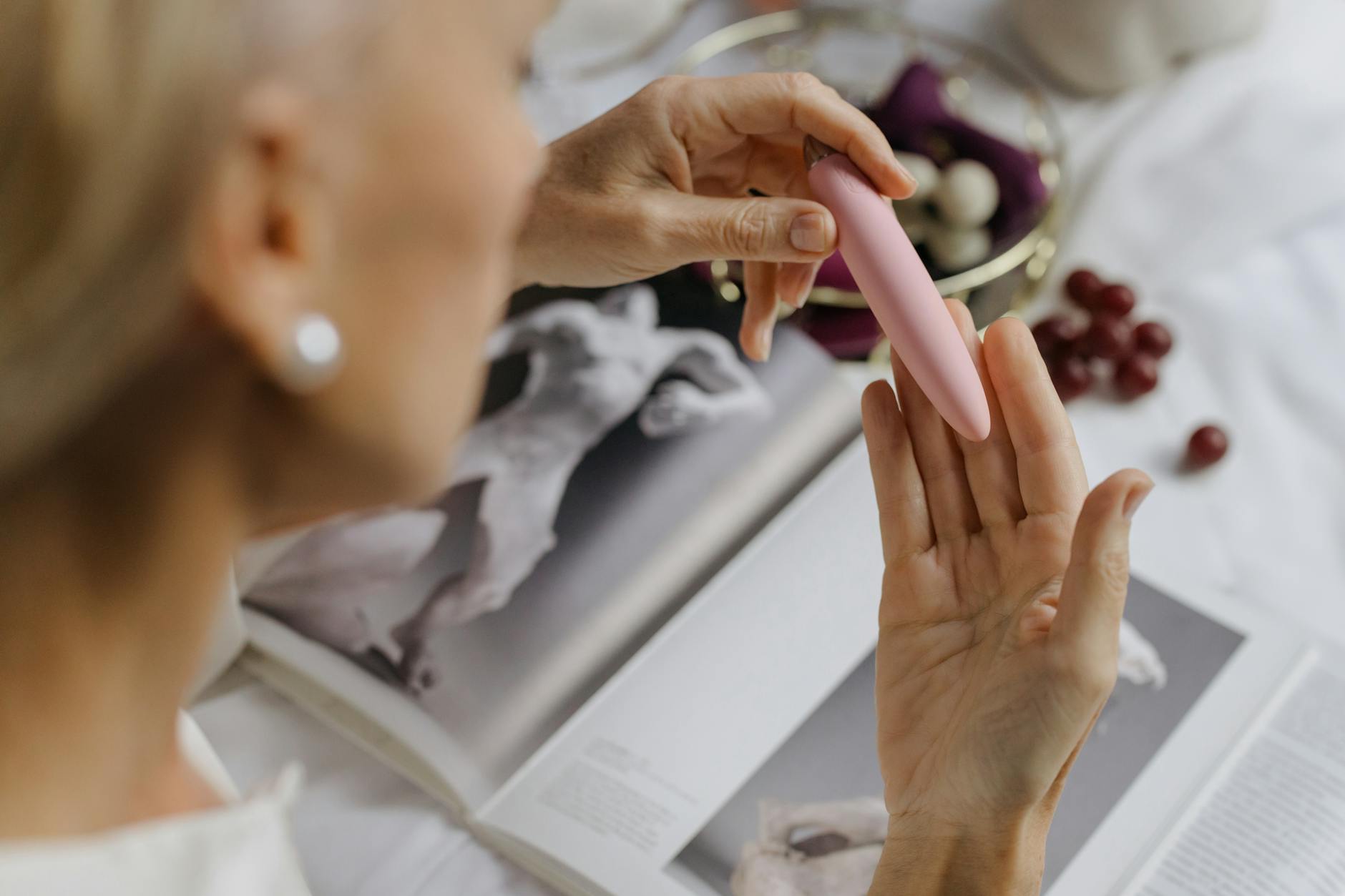
Photo by cottonbro studio on Pexels
Building a sensitivity calendar
The best tool for this is stupidly simple. Track three things for two months: when your period starts, where you are in your cycle, and how your clitoris feels during solo time.
Notice patterns. Maybe stimulation that felt perfect on day 8 feels rough on day 22. Maybe you always need more time around day 25. Maybe ovulation day is genuinely too sensitive for vibrators at all, and manual touch is better.
Once you see the pattern, stop fighting it. Instead of forcing the Lem at intensity level 4 because that's what worked last week, match the intensity to where you actually are. Most lemon clitoral vibrators have multiple settings precisely because sensitivity isn't static.
If you're tracking with a partner, share the data. "I'm in a sensitive phase right now, so let's start at pattern 1 and build from there" is infinitely better than hoping they guess.
Practical adjustments by cycle phase
Follicular phase sensitivity is usually your friend. Go ahead and explore higher intensity settings. If you've been curious about the Lem's full suction power, this is the window. Your tissue is more resilient, and arousal builds faster.
Ovulation requires the opposite move. Lower the intensity before you even start. If you usually use pattern 3, try pattern 1 or 2. If suction feels too much, switch to vibration mode alone. Some people skip the vibrator entirely on ovulation day and return the next day. That's completely valid.
Early luteal phase sits somewhere in the middle. You're still relatively responsive, but sensitivity isn't guaranteed. Start at your baseline intensity and be ready to adjust up or down based on how your body feels that particular day.
Late luteal needs patience and often extra lubrication. Longer warm-up time matters more than intensity settings. Spend 10-15 minutes on manual touch or lower vibrator settings before moving to higher patterns. Think of it as setting the stage rather than jumping straight to the main event.
When sensitivity becomes pain
There's a difference between "this feels less intense today" and "this actually hurts." Pain is your body's stop sign. If stimulation that felt fine last week now causes sharp pain or cramping, something has shifted.
Sometimes it's hormonal and temporary. Sometimes it's inflammation or a micro-tear in sensitive tissue. The Lem can aggravate both. If pain shows up, take a break from vibration entirely for a few days and check in with yourself. Does penetration hurt? Does even light touch hurt? Is it localized to the clitoris or more general pelvic discomfort?
These details matter when you talk to a doctor. And yes, if pain is new or severe, talk to a doctor.
Managing sensitivity during partnered time
If you have a partner, cycle-aware pleasure looks different. On your sensitive days, lemon clitoral vibrators can be the buffer between "too much direct touch" and "nothing feels good." The Lem's suction is gentler than fingers while still being effective.
On your less-sensitive days, the vibrator can bridge what your partner's fingers can't quite reach. The point isn't replacing them. It's expanding options.
Honestly though, the real magic is conversation. "I'm in a sensitive phase this week, can we focus on lower settings?" or "I need more intensity today, my body is less responsive" takes about ten seconds and solves hours of confusion.
Lubrication changes by phase
Cycle hormones also change how much natural lubrication you produce. Follicular phase? Often wetter. Late luteal? Often drier. This affects how the vibrator feels against tissue.
If you're running dry in your luteal phase but sensitivity is still high, adding water-based lube actually makes the experience better. The vibrator glides smoothly without friction, which means less irritation even at higher intensity. It's not a sign your body is broken. It's a sign your hormones are doing their job and you need a small adjustment.
Water-based lube also buys you flexibility. It lets you use the Lem's full range of intensities even when natural lubrication is lower. And it's genuinely safer for silicone toys than petroleum or oil-based products.
The permission part
Here's what I see most often in my practice. People get frustrated that their body isn't consistent. They expect to want the same stimulation on day 8 as day 22. When that doesn't happen, they assume something is wrong with them.
Your body isn't broken. It's doing exactly what it's supposed to do. Hormones are orchestrating shifts in blood flow, nerve sensitivity, and arousal. That's not a bug. It's actually useful information.
Once you stop fighting the shifts and start working with them, lemon vibrators become way less of a mystery. You're not searching for the "right" setting. You're matching intensity to your actual sensitivity, which changes legitimately and predictably throughout your cycle.
FAQ: Cycle sensitivity and lemon vibrators
Why does my clitoris feel different amounts of sensation at different times of the month?
Estrogen and progesterone fluctuate throughout your cycle, directly affecting blood flow to the clitoris and the sensitivity of nerve endings. Higher estrogen during the follicular phase generally increases clitoral engorgement and sensitivity. Rising progesterone in the luteal phase often decreases sensitivity and increases pelvic floor tension. These hormonal shifts are normal and expected, not signs of dysfunction.
Can I use lemon vibrators safely during high-sensitivity phases?
Yes, but adjust your approach. Lower the intensity setting, spend more time on warm-up touch, use water-based lube to reduce friction, and pay attention to what actually feels good rather than what felt good last week. If sharp pain appears, stop and take a break. Mild discomfort from "this feels more sensitive" is different from pain, which is always a stop sign.
Should I track my cycle to know when to use the Lem?
Tracking is incredibly helpful but not mandatory. Even just noticing over two months which days feel highly sensitive and which feel less responsive gives you useful patterns. Once you see the pattern, you can adjust intensity proactively instead of guessing and being disappointed.
What if my sensitivity doesn't follow a typical 28-day cycle?
Many people's cycles aren't 28 days, and many don't follow predictable patterns. That's normal. Just track your own actual pattern, however it shows up. The goal is matching your vibrator use to your body's real rhythm, not to some theoretical ideal. Your data is the truth.
Is it normal to want zero stimulation during certain cycle days?
Completely normal. Some days, even the thought of stimulation feels like too much. Some people skip pleasure activities entirely during certain phases. That's not low libido. It's your body communicating that this isn't the right moment. Respecting that is actually the foundation of sustainable pleasure.
Can I use the same vibrator settings every day?
You can, but you'll probably get better results matching intensity to your actual sensitivity. Think of it like volume on a speaker. You wouldn't listen to music at the same volume during quiet morning time as during a workout. Your clitoris is the same way. Adjusting the intensity takes ten seconds and makes a real difference in how good it feels.
The bigger picture
Your cycle isn't something to work around. It's information your body is constantly giving you. Lemon vibrators are flexible tools that work better when you're listening to that information instead of ignoring it.
The Lem's variable intensity, multiple patterns, and gentle suction design make it particularly well-suited for this kind of attention to your body's actual needs. You're not locked into one way of using it. You adjust as you go.
Once you understand how your sensitivity shifts, using a lemon clitoral vibrator stops being a guessing game. It becomes a conversation between you and your body. And honestly, that's when pleasure gets really interesting.
If you have questions about how your cycle is affecting pleasure or discomfort, or if you're looking for a vibrator that adapts to your changing needs, reach out to us. We're here to help you figure out what actually works for your body.