Let's start with what's really happening
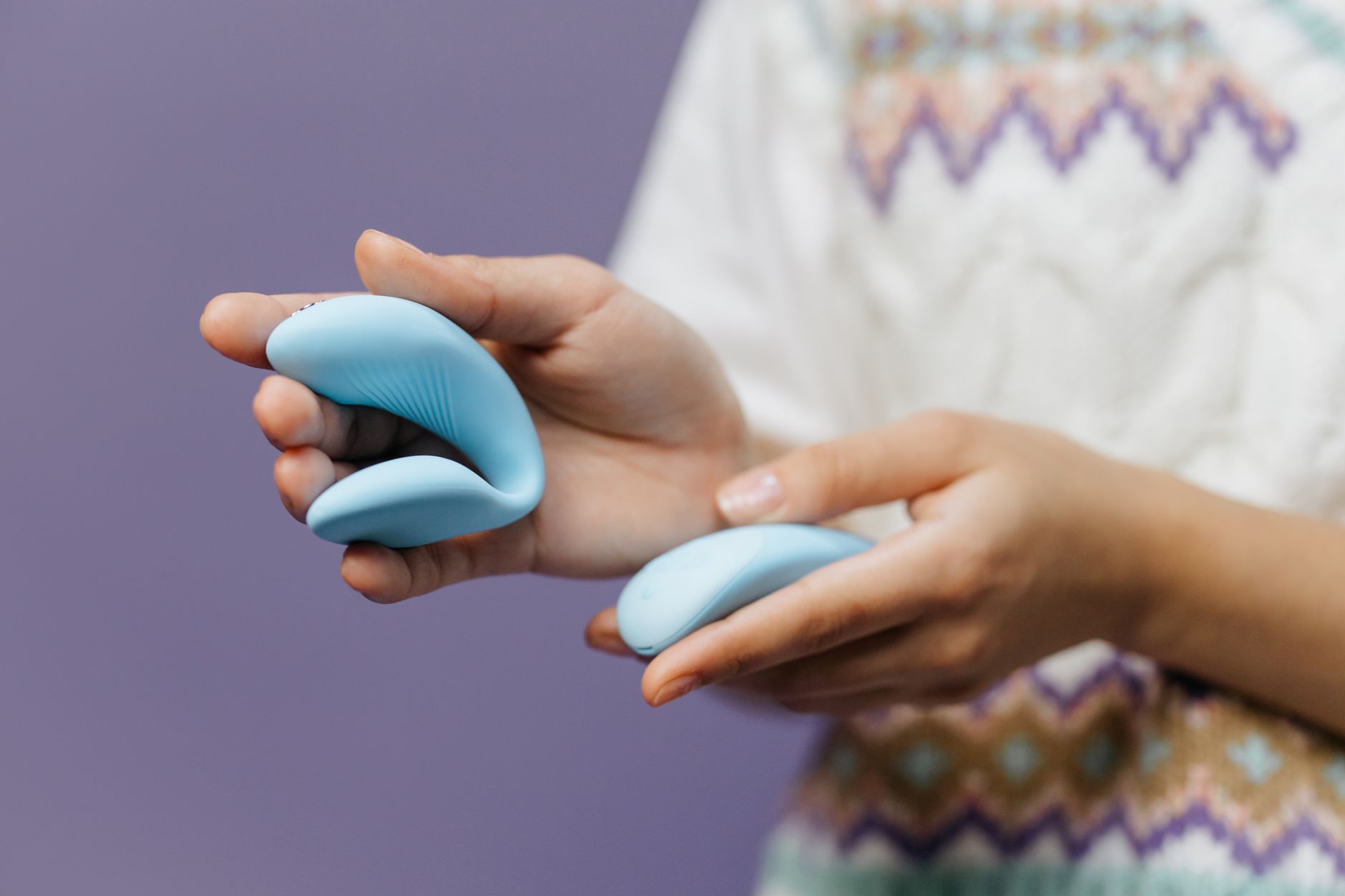
You bought a Lemon vibrator or another clitoral vibrator. You turned it on. And immediately thought: nope, that's too much.
That's not a failure. That's information. Your nervous system is telling you the intensity is outpacing what your body wants right now, and that signal matters.
Why lemon vibrators can feel overwhelming
Clitoral vibrators work differently than most people expect. They don't vibrate the way a phone does. Air-suction technology like you'll find in the Lem creates rhythmic micro-movements that stimulate nerve endings directly. This is incredibly efficient at producing sensation, which is why people love them. But efficiency also means there's less margin for error if the intensity lands wrong.
Three reasons a lemon vibrator might feel like too much:
Direct nerve stimulation. The clitoris has roughly 8,000 nerve endings packed into a small area. Suction stimulation concentrates on that zone intensely. If you're used to broader, gentler touch, it can feel jarring or almost painful at first.
No buildup time. With manual stimulation or grinding against a pillow, arousal builds gradually. A vibrator goes from zero to full intensity in seconds. Your body hasn't had time to adjust or warm up.
Sensitivity variation. Hormonal cycles, stress, sleep deprivation, and even time of day affect how sensitive you are. What felt perfect last week might feel aggressive this week.
The most important thing to know
This doesn't mean lemon vibrators aren't for you. It means you need a different approach. Most people who find vibrators overwhelming at first end up loving them once they've learned to use them at their actual threshold.
Start with zero contact
Don't touch the vibrator directly to your clitoris on your first tries. Instead, try it through fabric. Underwear, tights, or even a thin cotton shirt between the toy and your body creates a buffer that softens the intensity without losing all the benefit.
Turn on the lowest pattern. Most Lemon vibrators have multiple settings. Start at pattern 1. Press the toy gently against the fabric, away from the direct clitoral area if possible, and just feel what the sensation is like without pressure.
This is not foreplay. This is calibration. Spend five minutes just learning what the toy feels like. No goal, no pressure to orgasm, no timeline.
Build tolerance gradually
Over the next few days, move through these steps. One per session, not all in one sitting.
Session two: Same setup (through fabric), but move the toy closer to your clitoris. Still pattern 1. Spend ten minutes exploring.
Session three: Still through fabric, move to pattern 2 if it feels manageable.
Session four: Try direct contact, but with the toy at the side of your clitoris rather than directly on top. This gives you the full sensation without the highest concentration of stimulation.
Session five and beyond: You'll know when you're ready to move to the next level. Let your body tell you, not a timeline.
This isn't wimpy or slow. You're teaching your nervous system what to expect, and you're building capacity. That's neuroscience, not hesitation.
Use lubrication strategically
Water-based lubricant isn't just for penetration. A small amount on the toy or on your skin can reduce friction and make the sensation feel less sharp. It also helps the toy glide rather than stay locked onto one nerve cluster.
Don't overdo it. You want a thin layer, not so much that the toy loses contact. Experiment to find the amount that makes the sensation feel diffuse rather than concentrated.
Separate short bursts
Instead of trying to use the toy for a full session, try it for two to three minutes at a time. Stop. Feel what you're feeling. Let sensation settle. Then try again.
This serves two purposes. First, it prevents overstimulation fatigue. Your clitoris (like all nerve-dense tissue) can actually go numb if stimulated too intensely for too long. Short bursts prevent that. Second, it gives you a chance to notice when sensation shifts from uncomfortable to good. That threshold point is crucial to find.
The pattern matters more than power
Many people assume they need to turn the intensity down. Sometimes that's true. But often the issue isn't power, it's rhythm. Most Lemon vibrators have multiple patterns. Pattern 1 might be intense, but pattern 2 might be a completely different rhythm that lands better.
If your toy has five patterns, test them all at the lowest intensity before you assume the toy is just too strong. You might find that pattern 3 feels way better than pattern 1, even at the same power level.
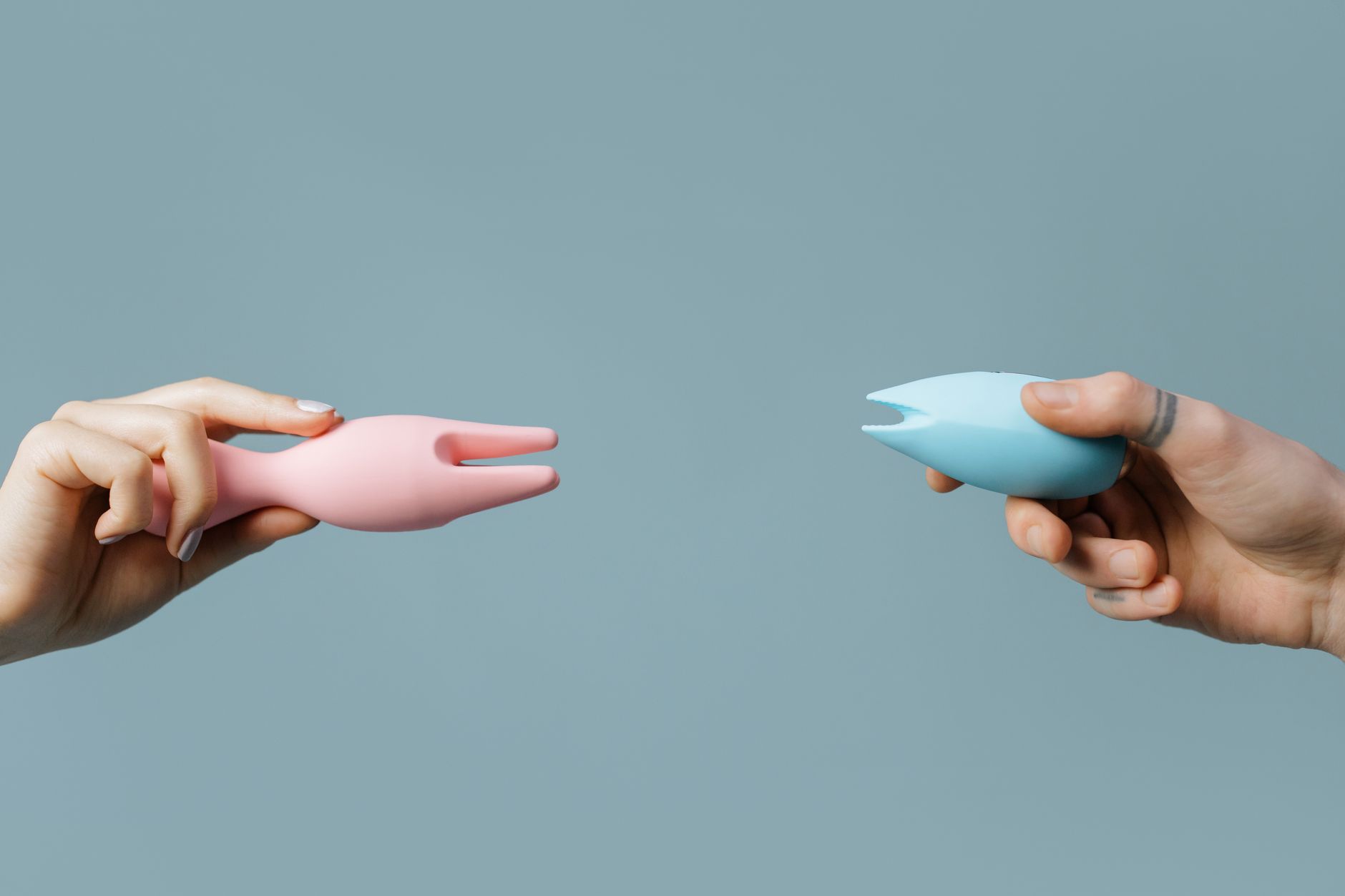
Photo by cottonbro studio on Pexels
Pair it with what already works
If you know how to orgasm through other methods (fingers, a partner, grinding), combine lemon vibrators with that instead of replacing it. Use your hands or your partner's touch to build arousal first, then introduce the toy once you're already warm. You're not starting from zero, so the vibrator feels like an amplifier instead of a shock.
This is also a great way to find out if the overwhelm is actually the toy, or if it's just the novelty and speed. Most people discover pretty quickly that they love lemon clitoral vibrators once they've got a few minutes of buildup under their belt.
When to add your partner in
If you're using a lemon vibrator solo and it still feels intense, bringing a partner in might seem counterintuitive. But actually, your partner can help. They can hold the toy at a lower angle, apply less pressure, or use it for just a few seconds at a time. They can also check in with you and adjust based on your breathing and reactions. You lose that real-time feedback when you're working solo.
When you do involve your partner, make sure you're communicating before you start. "I want to try this, but I need you to go slow and check in with me" is the whole conversation. Your partner doesn't need to be a vibrator expert. They just need to listen to your feedback.
What actually might be going on
Sometimes "too intense" isn't about the vibrator at all. Stress, dehydration, certain medications, or hormonal shifts can make everything feel more sensitive. If you've used lemon vibrators comfortably in the past and suddenly they feel overwhelming, that's worth noticing. It might mean your body needs something different this week. That's fine. Use your hands. Come back to the vibrator next week.
Pain, numbness, or any sensation that feels genuinely wrong (not just surprising) is worth checking with a doctor. Clitoral pain or a change in sensation can indicate irritation, allergies, or something else that deserves attention. A vibrator isn't the issue; something else might be.
The slow-intensity approach works
I've worked with countless people who said vibrators weren't for them. Almost all of them found their way in once they ditched the idea that they should be able to handle full intensity immediately. You wouldn't jump into ice water and expect to feel comfortable. You'd wade in slowly. Same with lemon vibrators. Give yourself that same grace.
Your clitoris isn't broken. The toy isn't broken. You're just meeting each other for the first time, and that takes a minute.
Frequently asked questions
Does it hurt if lemon vibrators feel overwhelming?
Not always. Overwhelm and pain are different. If it actually hurts, stop and check in with a doctor. If it feels intense or overstimulating but not painful, that's just your nervous system saying the input is too much right now. Dial it back, and you'll likely find a sweet spot.
How long does it take to get used to clitoral vibrators?
It depends on your baseline sensitivity and whether you've used vibrators before. Some people adjust in a few days. Others take weeks. There's no normal. Listen to your body's timeline, not an imaginary one.
Can I use lemon sexual toys if I'm very sensitive down there?
Yes. High sensitivity actually makes lemon vibrators a smart choice once you calibrate them, because you can use them at lower intensities and still get strong sensation. Start low, go slow, and build from there. Many highly sensitive people end up preferring air-suction vibrators because they can feel the benefit at gentler settings.
What if the toy is just not for me?
Then it's not for you, and that's completely okay. Pleasure comes in many forms. Some people love vibrators. Some don't. Some love lemon clitoral vibrators after they adjust, and some never do. There's no failure here. Your preferences matter more than any toy.
Should I use a different type of clitoral vibrator if lemon vibrators feel overwhelming?
Maybe. But before you swap toys, give yourself a real trial period with the calibration steps above. You might find that the Lem or another lemon vibrator is perfect once you've adjusted. Bouncing between toys without giving any of them real time is how you miss something genuinely great.
Is sensation building up over time normal?
Totally. As your body adapts, you might find you want more intensity. That's your nervous system adjusting to the input. Gradually moving up through patterns or trying new settings is smart. Listen to what your body wants, not what you think you should want.
You've got this
Lemon clitoral vibrators are powerful tools once you and your body learn how to use them together. Starting slow, respecting your nervous system's signals, and giving yourself actual adjustment time is the recipe. Your pleasure is worth that patience.