
Here's the thing about sensation and routine
Let's be real. After years of the same touch, the same position, the same rhythm—your body stops showing up the same way. It's not dysfunction. It's neurology. Your nervous system adapts. What once felt electric becomes background noise. That's not a failure on anyone's part. It's just what happens when pleasure becomes predictable.
The good news? Your body hasn't forgotten how to feel. It's just waiting for something different. That's where a clitoral vibrator like the Lem changes the equation.
Why sensation dulls when patterns stay the same
Your nervous system is designed to respond to novelty. When your partner touches you the same way, at the same pressure, in the same sequence, your brain literally stops paying attention after a while. It's called sensory adaptation, and it happens to everyone. The neural pathways get worn smooth from repeated use. Arousal that used to build in minutes now takes longer, or stops building altogether.
This is especially true for clitoral stimulation. The clitoris has some of the highest nerve density in your body, which means it's incredibly sensitive to repetition. Manual touch, penetration, even the rhythm of penetrative sex—if they never change, the sensation eventually flattens.
The kicker? Your capacity for sensation isn't gone. Your body isn't broken. It's just overfamiliar with what it's getting.
How lemon vibrators interrupt the pattern
A device like the Lem doesn't just add intensity. It adds novelty. The suction-based stimulation creates a completely different sensation than a finger or a partner's touch ever could. It's not friction. It's not direct pressure. It's a rhythmic pulse that engages your clitoris in a way that manual stimulation can't replicate, and that's the whole point.
When your body encounters something genuinely new, your nervous system wakes up. Arousal comes back. The dulled feeling lifts. This is why so many people report that using a lemon clitoral vibrator feels like rediscovering their own body—because they're literally creating new neural pathways for pleasure.
The novelty doesn't wear off the way manual touch does, either. The Lem's patterns can be varied, changed, switched up. You're not locking into one sensation. You're creating options.
The reset approach: start without a partner
If sensation has been flat for a while, the first move is solo exploration. No pressure, no partner watching, no need to perform or explain what you're trying. This is reconnaissance work.
Start with the Lem on a lower setting—pattern 1 or 2. Give yourself 15 to 20 minutes of uninterrupted time. Not necessarily to reach orgasm, but to just notice. What does this feel like? Where does sensation concentrate? What happens if you hold the Lem still versus moving it slightly? The goal is to map out what your body is actually capable of feeling right now, without the noise of routine overlaid on top.
Most people find that within a few sessions, they start feeling textures and sensations they'd completely stopped noticing. Your clitoris remembers how to respond. It just needed something unfamiliar.
Reintroducing your partner into the picture
Once you've spent a few solo sessions with the Lem and you're noticing sensation coming back, bringing a partner into it can amplify everything. But the framing matters.
This isn't about the partner "not being enough." It's about both of you deciding to disrupt a pattern that's stopped serving you. You can frame it as an experiment, a shared adventure, something you both want to try together. Many couples find that the process of exploring a new tool together actually rebuilds the conversation around sex. You're asking questions again. You're noticing each other again.
One practical approach: you control the Lem during foreplay. Your partner focuses on other stimulation—kissing, touch on your breasts or other erogenous zones, or being present without adding input. This lets your clitoris get the novelty it needs while your body feels held and connected to someone else. The combination often produces sensations that were completely unavailable before.
Pattern variation is the long game
The reason sensation dulls isn't just about the object. It's about repetition. So even once you've reintroduced novelty with a vibrator, staying with it indefinitely will eventually flatten again—not as quickly, but it will happen.
The long game is pattern variation. This means rotating through different settings on the Lem rather than using the same one every time. It means changing timing—sometimes using it at the start of foreplay, sometimes saving it for the peak. It means exploring different positions or contexts. The principle is simple: keep introducing small differences so your nervous system stays engaged.
This doesn't require constant escalation or new toys every six months. It requires deliberate variation within the tools you already have.
When sensation recovery takes longer
For some people, especially after decades of the same routine or after periods where sex felt disconnected from pleasure altogether, sensation recovery isn't immediate. It might take weeks of consistent exploration, not days.
Patience here isn't romantic. It's practical. Your nervous system learned a pattern over years. Rewiring takes time. If you're not feeling much after three sessions with a lemon clitoral vibrator, that doesn't mean it won't work. It means your body needs more runway. Keep showing up. Keep exploring without pressure to feel anything in particular.
If sensation hasn't shifted meaningfully after a month of regular use, that's worth checking in with your doctor about. Sometimes flattened sensation is connected to medication side effects, hormonal changes, or other factors worth naming with a professional.
The mindset shift that makes everything work
Here's what I see in my practice: the people who successfully rebuild sensation aren't the ones waiting for their bodies to fix themselves. They're the ones who actively decide that their pleasure matters enough to change something.
Using a lemon vibrator isn't a workaround for a broken dynamic. It's a choice to interrupt a pattern that's stopped working. It's a way of saying to yourself and your partner, "My sensation matters. Our pleasure matters. We're going to do something different."
That decision, more than the device itself, is what rewires the experience. The Lem is just the tool that makes that rewiring possible.
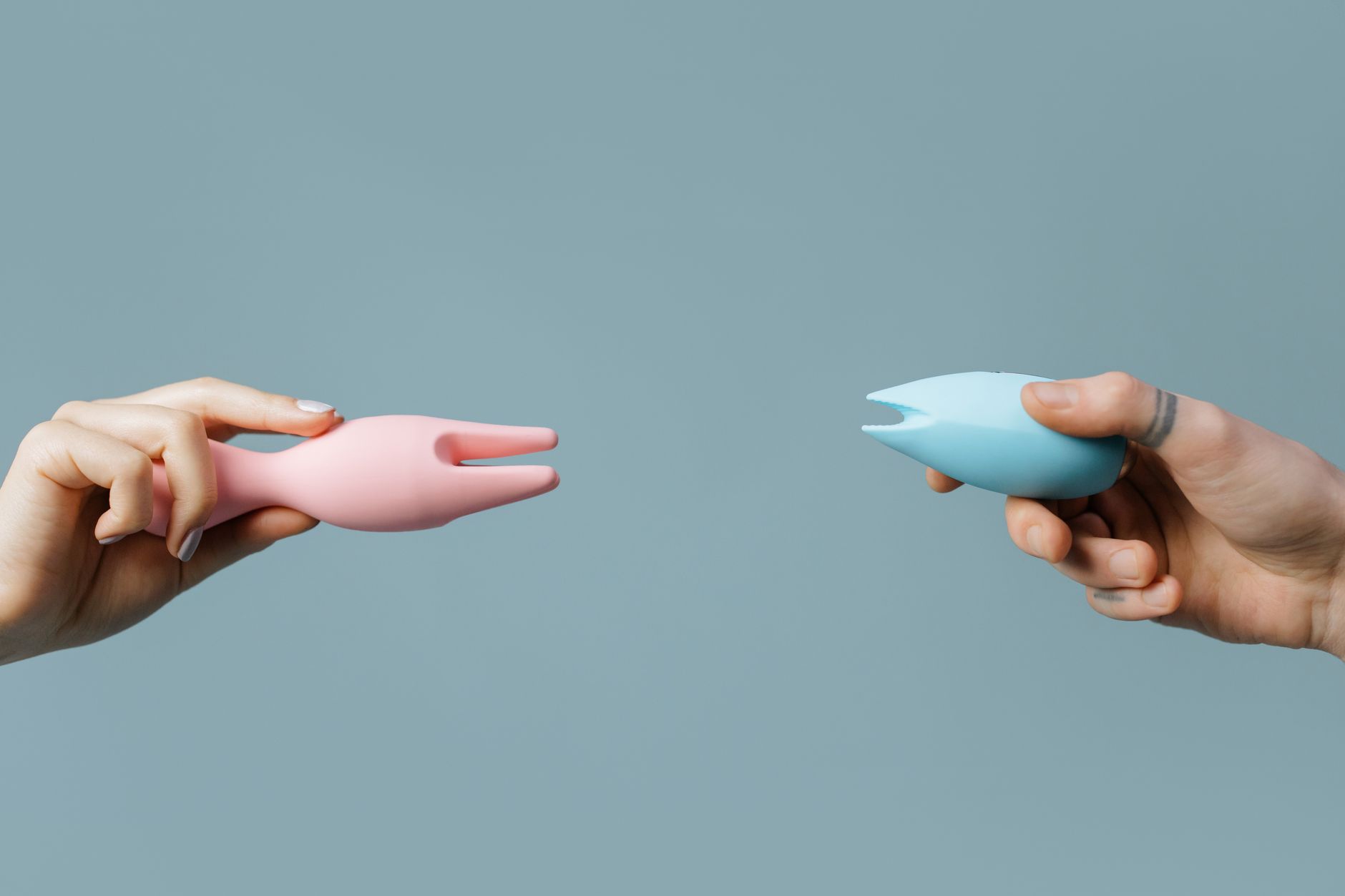
Photo by cottonbro studio on Pexels
FAQ: Your questions about sensation recovery and lemon vibrators
How long does it actually take to feel sensation return after using a clitoral vibrator?
Most people notice some shift within the first 2 to 3 sessions, though "feeling" might be subtle at first. Real, noticeable changes in baseline sensation typically show up within 1 to 2 weeks of consistent use. That said, if sensation has been flat for years, 4 to 6 weeks is realistic. Your nervous system doesn't rewire overnight.
Can using a lemon vibrator make sensation even more numb if I use it too much?
This is a common worry, and it's based on a real phenomenon: sensory adaptation. If you use the exact same setting, the exact same way, every single time, yes, sensation will eventually flatten again. But that's easily fixed by varying the patterns, settings, and how you use it. Rotation prevents adaptation far better than stopping entirely.
Is it normal for my partner to feel threatened by using a lemon vibrator if we've never used toys before?
Completely normal. Many partners worry that a vibrator means they're not "enough," even though the neurology doesn't support that. The reframe is crucial: a vibrator isn't replacing your partner's touch. It's disrupting a pattern that's stopped working for both of you. Framing it as something you're exploring together, not something you're doing instead of them, shifts the whole conversation from competitive to collaborative.
What if sensation stays flat even after weeks with a lemon clitoral vibrator?
First, give it the full 4 to 6 weeks with genuine variation in how you're using it. If that window passes and you're still not noticing change, it's worth talking to your doctor. Flattened sensation can sometimes be connected to medication side effects, hormonal changes, thyroid function, or blood pressure issues that a professional should evaluate. It's not a failure of the device or your body.
How do I talk to my partner about wanting to use lemon vibrators to rebuild sensation we've lost?
Start with the truth: "I've noticed sensation has felt flat for a while, and I miss what we used to feel. I want to try something different together, not instead of you." Most partners respond well when they understand you're trying to rebuild something mutual, not replace them. You might even use it together and take turns exploring. Making it an adventure rather than a complaint changes everything.
Is using a lemon vibrator more effective than manual stimulation for bringing back sensation?
They do different jobs. Manual stimulation with a partner can rebuild intimacy and connection. A lemon vibrator like the Lem brings neurological novelty that your nervous system has been missing. The real effectiveness comes from combining both and varying your approach. Neither replaces the other. They work together.
The path forward is about choosing to change
Sensation fades when pleasure becomes predictable. That's not a secret or a shame. It's neurology. The path forward isn't to accept the flatness or to blame your body or your partner. It's to deliberately introduce something different—something that wakes your nervous system back up and reminds you what sensation is actually capable of feeling like.
A lemon vibrator isn't a band-aid. It's an interruption in a pattern that stopped serving you. And that interruption is often exactly what you need to rebuild what routine has dulled. If you're curious about how to get started, reach out. I'm here to help you figure out what feels right for your specific situation and your relationship.
Your pleasure matters. Your sensation matters. Choosing to change something about that isn't weakness. It's wisdom.