Let's be real about partner pressure
You love your partner. You also can't orgasm around them anymore. Not because the spark died, not because you've gone numb, but because somewhere along the line their need for you to come became louder than your own ability to feel it. They want confirmation that they're doing it right. They want to know you're enjoying it. They want the reassurance that sex still works between you. And all of that wanting has become a weight on your nervous system.
This is one of the most common relationship friction points I see in my practice, and it's almost never about the sex itself. It's about the performance tax. When you're responsible for managing your partner's feelings about your pleasure, your actual pleasure gets pushed to the background. Your body knows the difference. Your nervous system absolutely knows.
How partner expectations sabotage arousal
Here's the neurological piece. Arousal requires what therapists call parasympathetic activation. Your nervous system needs to feel safe enough to relax into sensation. But when your partner is watching, waiting, hoping you'll come, when their mood depends on your response, your nervous system treats that as a mild threat. Not consciously. You're not thinking "I need to protect myself." But your body is in low-grade monitor mode.
You're tracking whether they're frustrated. Whether they're getting tired. Whether your lack of response is registering as a personal failure for them. That's not arousal. That's a second job you're working without compensation.
The pressure is usually invisible. Your partner says "take your time." You hear "hurry up." They ask "does that feel good?" Your nervous system registers it as a pop quiz. None of this is their fault. None of it is yours. It's just what happens when desire meets expectation and nobody names what's actually happening.
Why solo exploration with a lemon vibrator changes everything
Lemon vibrators, especially a clitoral vibrator like the Lem, work differently in this context than partnered play. They're not a replacement for connection. They're a reset button for your nervous system.
When you use a lemon sexual toy alone, there is no audience. No one is waiting for you to come. No one is adjusting their effort based on your response. Your only job is to feel what you actually feel, not to manage anyone else's experience of your body.
This matters for rebuilding baseline pleasure. If your body has spent months or years in performance mode, it's forgotten what genuine, uncomplicated arousal feels like. Solo exploration with a lemon vibrator isn't selfish. It's recalibration. You're remapping what pleasure actually is when nobody else is depending on it.

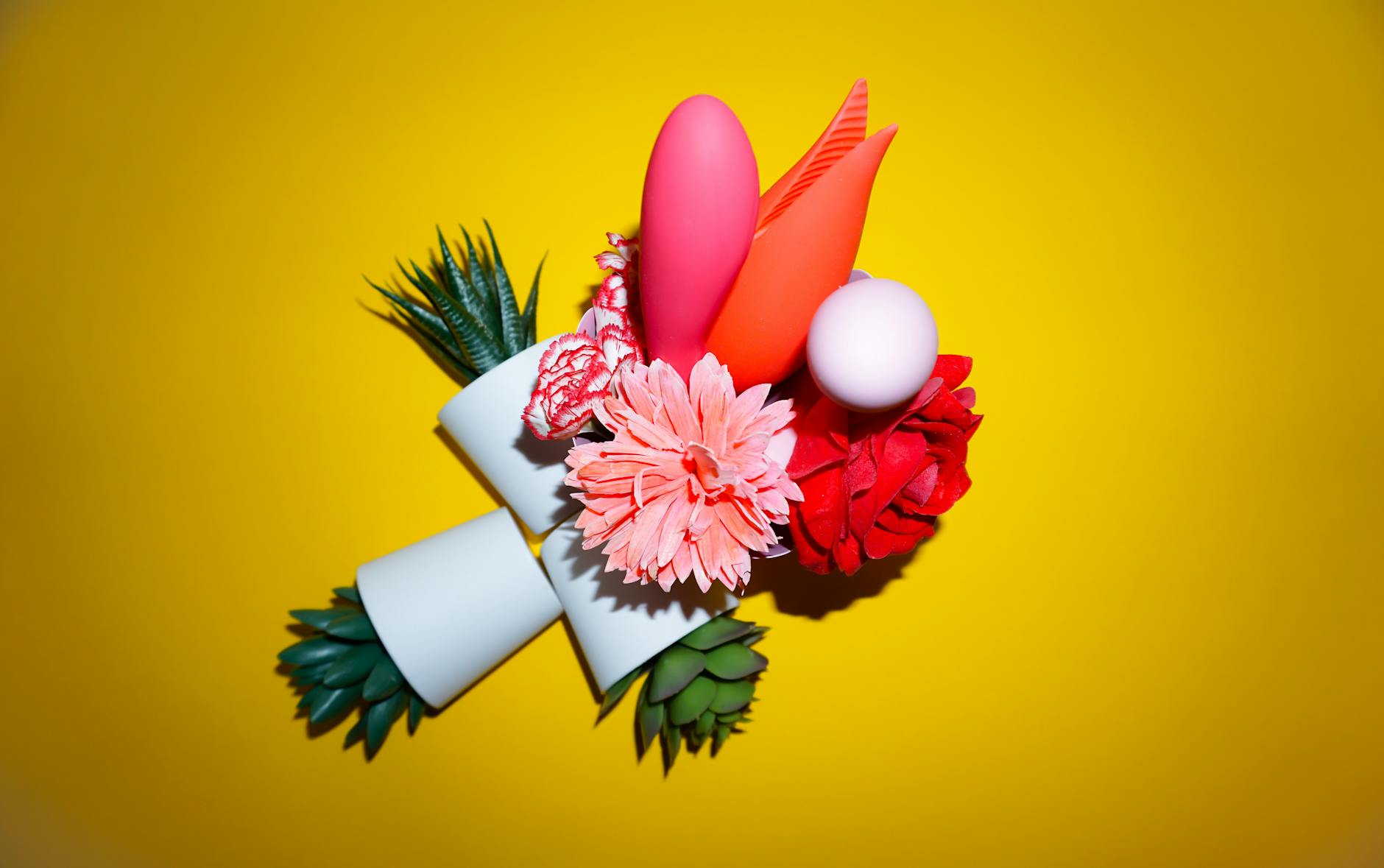
Photo by Anna Shvets on Pexels
Start with zero pressure to come. That sounds counterintuitive, but it's the whole point. Use your lemon clitoral vibrator the way you'd explore a new room in a house. You're noticing. Where does it feel good? How many patterns do you need to cycle through before something clicks? What time of day works? How long does your body need before sensation registers?
Take at least three sessions alone before you even think about using it with your partner. Your nervous system needs data that pleasure can exist without an audience.
The conversation you need to have with your partner
Eventually, you'll want to talk about what's been happening. Not during sex. Not when you're already frustrated. Pick a normal Tuesday and name it plainly.
"I've noticed I can't come around you anymore, and I don't think it's because I'm not attracted to you. I think I'm in my head managing your expectations. I need to rebuild this on my own first. That's not about you. It's about me remembering what my own pleasure feels like without an audience."
A partner worth keeping will hear that. They might feel a flash of rejection. That's real and valid. But a good partner will also recognize that your pleasure matters more than their reassurance in the moment.
What you're NOT saying: "You're doing it wrong." "You don't turn me on anymore." "I need to figure out if I still want this." Different conversations, different weights. This one is about your nervous system needing space.
How to reintegrate pleasure together
Once you've spent a few weeks exploring solo with your lemon vibrator, you can introduce it back into partnered time. But frame it differently than before.
Not: "Maybe this will help me come." (Pressure restored.)
But: "I want to show you what I've learned about what feels good to me. Want to watch?"
That's a different whole energy. You're inviting them to witness your pleasure, not to generate it. You're staying in charge of intensity, rhythm, pressure. They're present, but they're not responsible for the outcome.
Many couples find that watching a partner use a lemon adult toy solo, understanding their own pleasure, actually rebuilds connection faster than the years spent trying to perform for each other. You're not hiding. You're inviting them into something real instead of something performative.
The patterns that stick
After you've rebuilt baseline pleasure, some people find they want to keep solo exploration as part of regular life. Not instead of partnered sex, but alongside it. That's completely healthy. You know your body better. Your partner knows you're not dependent on them to feel okay. Your nervous system knows there's space for pleasure that doesn't have to justify itself to anyone.
If you're using a lemon vibrator with a partner, stick with air-suction or broad stimulation patterns rather than intense vibration when there's someone else in the room. It's easier to stay in your own sensation that way. High-intensity vibration can pull you back into performance mode because it's so noticeable to an observer.
Water-based lubricant helps. Honestly it helps with everything, but especially with this. You want friction-free sensation, which makes it easier to stay present rather than managing your body's noise.
When to get professional support
If you've had this conversation with your partner and they respond with hurt that feels more important than your pleasure, that's worth naming with a therapist. A good partner will eventually get there, but sometimes they need help understanding why their reassurance needs can't come before your basic nervous system safety.
If you're using solo exploration as a way to avoid partnered intimacy altogether, that's a different conversation. Sometimes we use healthy tools (like lemon vibrators) as escape hatches from real relationship problems. Solo pleasure isn't the problem. But it can become a signal that something else needs attention.
Your pleasure matters. Not as proof that your partner is good at sex. Not as reassurance for their ego. As its own valuable thing. A lemon vibrator is a tool for remembering that.
People also ask
Can using a lemon vibrator alone damage my relationship?
Not if you're using it to rebuild yourself, not to avoid your partner. The issue isn't the solo exploration. It's whether you're using it as honest self-care or as a way to sidestep a conversation you need to have. If your partner feels threatened by the idea of you knowing your own pleasure, that's a relationship issue that exists whether or not lemon vibrators are involved. Address that directly.
How do I explain to my partner why I need solo time with a clitoral vibrator?
Honestly. "I need to learn what feels good to me without managing your response." Most partners, when they truly hear that, understand. What they're hearing is "your feelings matter enough that they've been blocking my pleasure," which is actually pretty clarifying. You're not blaming them. You're identifying the dynamic and taking responsibility for changing it.
Is it normal to prefer a lemon vibrator to partnered sex after being in this dynamic?
Temporarily, yes. Your nervous system has learned that partnered sex means performance, so solo sex feels like relief. That's data, not destiny. As you rebuild, and as your partner learns a different dynamic, many people find that partnered sex becomes easier and actually more connected. But that only happens if both people are willing to change the pattern.
What if my partner wants to use the lemon vibrator on me but I still feel pressure?
Then you're not ready for that yet, and that's okay. Stay with solo exploration a bit longer. When you're actually ready, you'll feel the difference. Your body will relax instead of tensing. If months go by and the pressure feeling doesn't ease, that's worth exploring with a therapist, because it might not be about the vibrator anymore.
Can lemon sexual toys help rebuild desire when partner pressure has killed it?
Partially. They can help you remember what baseline pleasure feels like, which matters. But true desire usually comes back when the pressure lifts, not when you add a new tool. The vibrator helps. The honest conversation with your partner helps more.
How long should I use a lemon vibrator solo before bringing it into partnered sex again?
At least three to four weeks of regular solo use, ideally when you're having some pleasure response that feels genuinely uncomplicated. You'll know it when you feel it. There's no timeline. Rushing back to partnered exploration before your nervous system actually feels safe will recreate the original problem.