The thing nobody tells you about libido in long-term relationships
One day, you and your partner are roughly in sync. The next decade, you're operating on completely different schedules. One of you wants sex twice a week. The other is thinking about it twice a month. And neither of you is wrong. This isn't infidelity territory or relationship failure territory. It's just biology and life doing what they do.
The question isn't how to make your libidos match again. It's how to have pleasure and connection when they don't.
Why libido shifts (and it's not because someone fell out of love)
After ten, fifteen, twenty years together, bodies change. Testosterone drops. Energy dwindles. Work stress accumulates. Parenthood, aging parents, career shifts, health stuff. One partner might be on medication that tanks arousal. Another might be going through perimenopause or dealing with a chronic condition. Sometimes it's simpler. Sometimes the person with the lower libido just... doesn't want sex as much anymore, and that's okay too.
The trap is interpreting the shift as a referendum on the relationship. "If they really wanted me, they'd want more sex." Or the flip side. "If they really loved me, they wouldn't need it so often." Both are stories. Neither is usually true.
What's actually happening is two people with two separate nervous systems, two separate hormone profiles, and two separate needs all trying to live in the same bed.
The real problem (and it's not the libido difference)
Here's what I see in my practice over and over: the libido mismatch isn't the problem. The shame about it is. One partner feels broken or selfish for wanting less. The other feels rejected and resentful. And neither of them is talking about it clearly, so they're both operating from assumption and hurt.
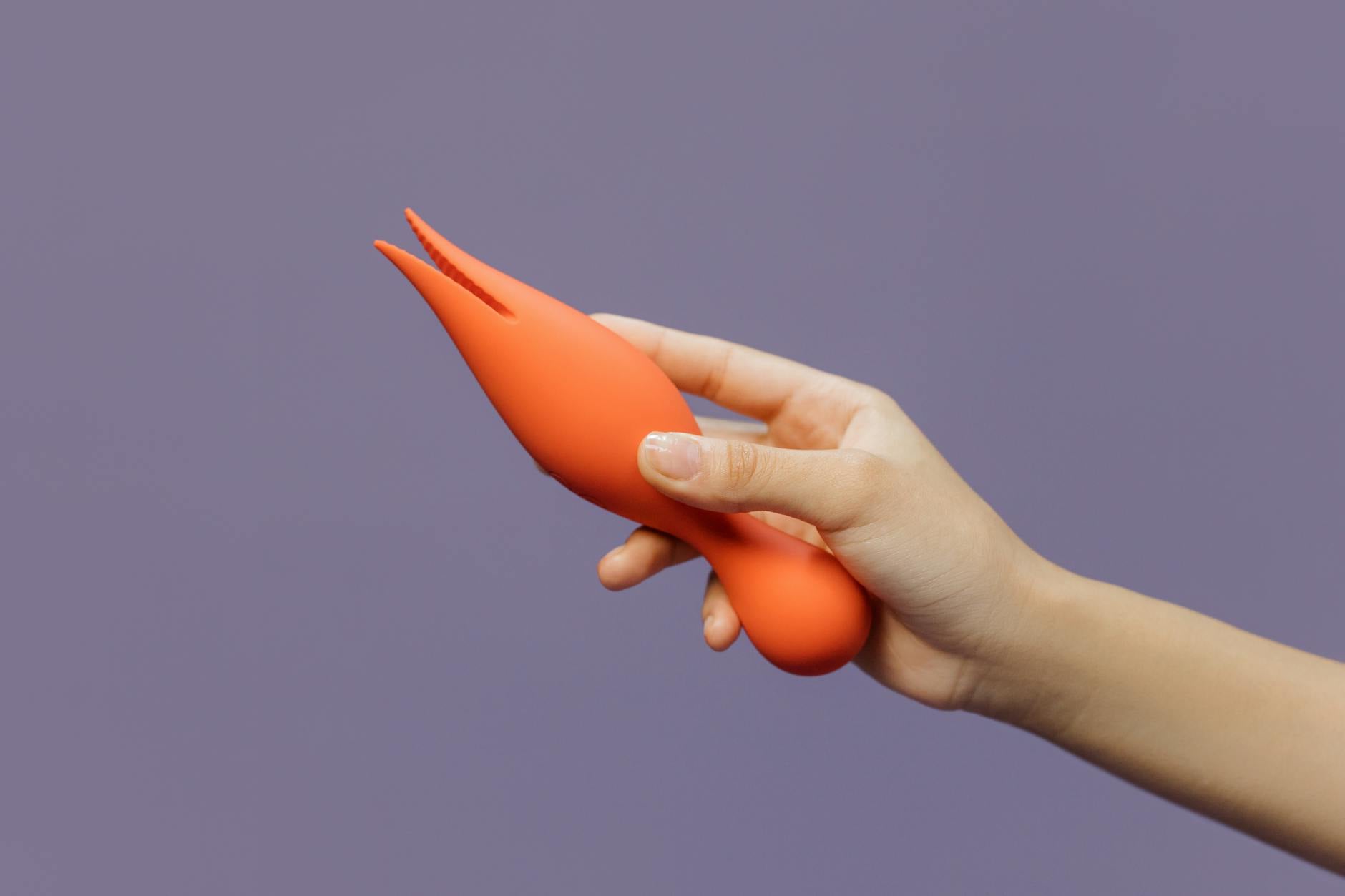
Clitoral vibrators like the Lem actually solve a different problem than you might think. They're not a solution to "one of us doesn't want sex enough." They're a bridge when you want to stay connected but you're not operating on the same timeline.
How the lower-libido partner benefits
Let's say you're the one wanting sex less often. When arousal takes longer to build, or when you're genuinely not in the mood but your partner is, a lemon vibrator changes the equation. It's not about forcing yourself into sex you don't want. It's about having a way to participate in pleasure without the pressure of traditional sex.
You might not feel desire when your partner initiates. But you might enjoy the sensation of a Lem once things get going. You might find that external stimulation gets you aroused in ways that penetration doesn't, and suddenly you're actually present instead of performing.
This matters because it keeps you in the game without resenting it. You're not saying yes to something you hate. You're finding a version of physical connection that actually works for your body right now.
How the higher-libido partner benefits
This is the trickier one to talk about without resentment creeping in. If you're the one wanting sex more often, a lemon vibrator isn't a substitute for your partner wanting you. Nothing is. But it does solve the pacing problem.
When your partner uses a vibrator during sex, arousal often accelerates. Orgasm comes faster. The whole experience is more efficient, which sounds clinical but actually matters. You get the connection and pleasure you're looking for, and your partner isn't lying there waiting for it to be over.
Maybe you use the vibrator on them. Maybe they use it on themselves while you're together. Maybe you each get off using it and then spend time connected differently. The shape of the encounter changes. It becomes collaborative instead of negotiated.
Setting the conversation up so it doesn't crater
This is the part that breaks relationships more often than the actual libido difference. One person brings up vibrators and the other person hears, "You're not enough." Or, "I'm tired of having sex with you." Or, "I want you to be different."
So you don't lead with the vibrator. You lead with the actual conversation.
Say something like: "I've noticed our rhythms have shifted. I don't think either of us is wrong. I'm wondering how we could have more pleasure together without one of us feeling pressured." That's not accusatory. It's collaborative problem-solving.
Only after you've acknowledged the shift do you say, "I've been reading about how some couples use vibrators when they're on different schedules. What would you think about trying that?" Notice the research part. You're not randomly demanding a toy. You're explaining that other people have solved this exact problem.
The practical part (how to actually use them)
Three scenarios. Pick the one that resonates.
Scenario one: You want to stay connected when one of you isn't in the mood. Skip traditional sex. Instead, use the Lem while kissing, touching, or just being close. This gives the less-interested partner a way to engage without faking arousal. And the more-interested partner still gets physical pleasure and presence.
Scenario two: You want arousal to accelerate. Integrate the vibrator into sex as you normally do it. Start with fingering or oral, then bring in the vibrator when arousal is building. This often shortens the time-to-orgasm window, which sounds clinical but actually creates less pressure for both people.
Scenario three: You want to acknowledge that you're on different schedules and that's fine. One partner gets off with the vibrator while the other is present. Then you reconnect in another way. This isn't "real sex" theater. It's actually real sex. It's just different.
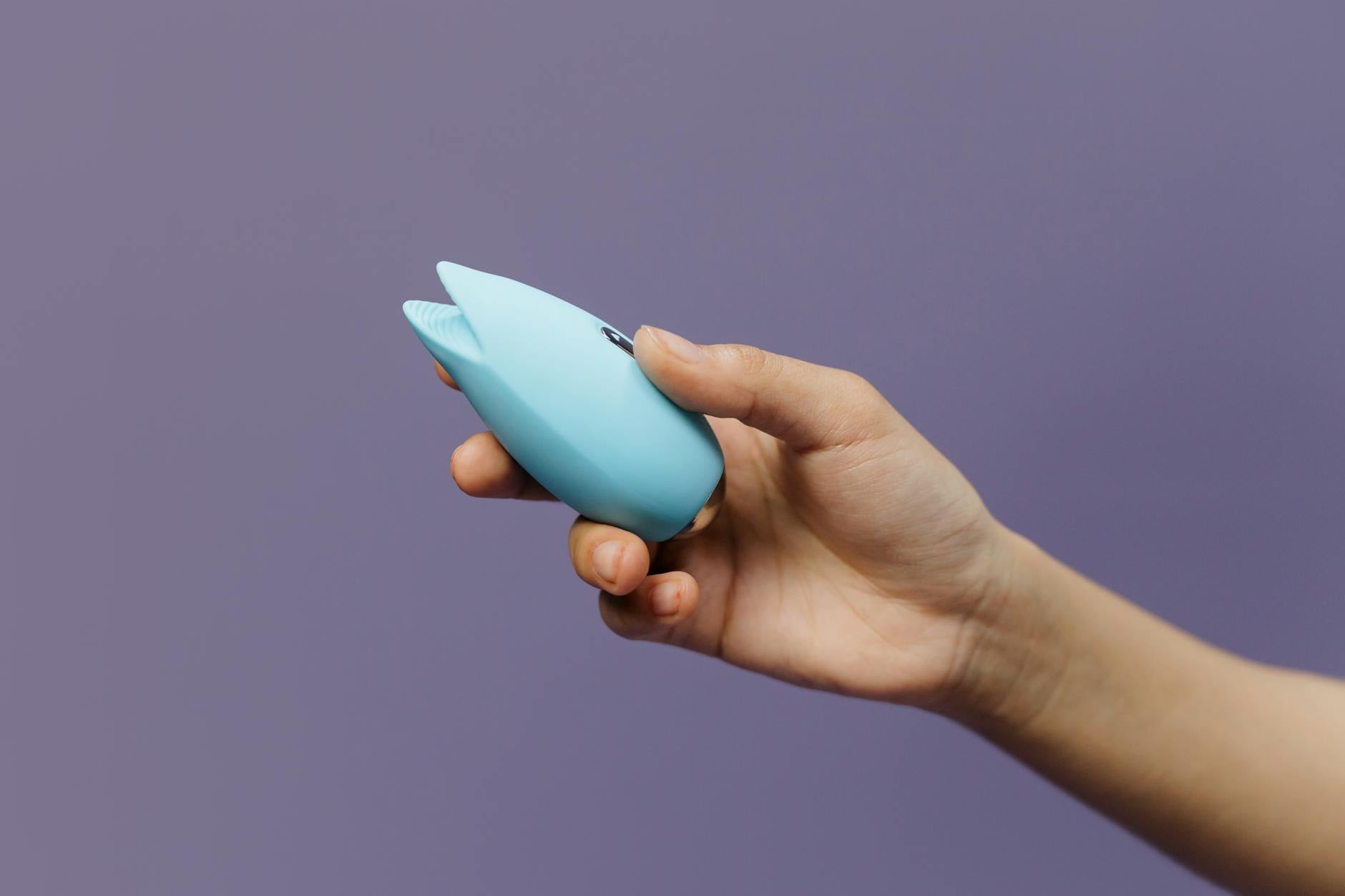
Photo by cottonbro studio on Pexels
The conversation about pleasure preferences
When you introduce a lemon vibrator, you're actually opening a bigger conversation. What kind of stimulation feels good? How hard? How fast? For how long? What patterns actually work? These are questions most long-term couples have never directly answered.
The vibrator becomes the opening for that. "Which pattern of the Lem feels best to you?" "Does this rhythm work or should we try something different?" "Tell me what you like."
That conversation alone transforms things. You're asking. You're listening. You're adjusting. Suddenly sex doesn't feel like something you both have to show up for the same way. It's collaborative in a way it hasn't been in years.
When to check in on what's really happening
Libido shifts can also signal something bigger. Sometimes it's hormonal or medical. Sometimes it's depression or anxiety. Sometimes it's your partner checked out emotionally and is expressing that with their body.
If one partner's libido tanks suddenly and stays gone, that's worth investigating. Have they seen a doctor? Are they dealing with stress you don't know about? Is there resentment neither of you has named? A vibrator isn't a substitute for that conversation. But it does buy you breathing room while you figure it out.
If you're using the Lem and things still feel disconnected, that's also information. The vibrator works better when there's actually affection and interest underneath. If there isn't, you're not going to fake it with a toy.
The permission part (the part that actually matters most)
Honestly though, the biggest thing vibrators do in long-term relationships is permission. Permission to have desire that looks different from your partner's. Permission to pleasure yourself while they're next to you. Permission to admit that sex doesn't have to be synchronized perfectly to be good.
Years into a relationship, we're all carrying stories about what sex should look like. What you're supposed to want. How long it's supposed to take. Whether asking for help is romantic or sad. A vibrator gives you permission to throw some of that away.
Your partner doesn't have to want you the way they used to. You don't have to want them the same way either. You can still be close. You can still feel pleasure. You can still be deeply connected while being wildly different.
That's actually what survives in long-term love.
People Also Ask
Is using a vibrator when my partner doesn't want sex as much considered cheating?
No. Using a vibrator together, or even separately while your partner is present and aware, is not cheating. Cheating involves dishonesty and betrayal. If you're both consenting and you're communicating about it, you're actually doing the opposite. You're building more honesty into your intimacy. The real problem would be if one of you wanted to use toys and the other didn't know about it. Transparency matters. Mutual pleasure doesn't look the same for everyone, and that's fine.
How do I bring up using a lemon vibrator without hurting my partner's feelings?
Don't lead with the vibrator. Lead with the conversation about your different rhythms. Say something like, "I've noticed we're on different schedules sexually, and I don't want either of us to feel resentful." Once your partner understands you're not blaming them, introduce the vibrator as a tool that might help. Frame it as "a way to stay connected when we're not naturally in sync" rather than "you're not turning me on enough." Most people respond well when they understand it's collaborative problem-solving, not criticism.
Can vibrators actually help when one partner has significantly lower libido?
Yes, but not by magically fixing the libido gap. What they do is change the shape of intimacy so both people can feel good without resentment. If the lower-libido partner uses a vibrator during sex, arousal often happens faster. If the higher-libido partner gets manual and toy stimulation, they might feel more satisfied. The gap doesn't disappear, but it becomes manageable. The real fix is the conversation, though. The vibrator is just a tool that makes the conversation easier.
What if my partner thinks vibrators mean I'm not satisfied with them?
That's a fear worth naming directly. Say something like, "I'm bringing this up because I want us to feel good and connected. This has nothing to do with you not being enough. It's about us finding a way to both feel pleasure when we're on different timelines." Some partners need reassurance that it's not a referendum on them. Some need time. Some need to see that the vibrator brings you closer, not further apart. That evidence matters more than words.
How often should couples use vibrators if their libidos are mismatched?
There's no right answer. Some couples use them every time they have sex. Some use them occasionally when the timing is really off. Some use them separately and together on different schedules. The point is you're both deciding together, not one person imposing a solution. What matters is that you're checking in regularly. "Is this working for you? Do you want to try something different?" That conversation should happen as often as your sex life does.
Is it normal for libido to shift this much after being together for years?
Completely normal. Libido changes with stress, health, hormones, age, medication, work, relationships, everything. After years together, your bodies have changed and your lives have changed. The couples who weather this successfully aren't the ones with matching libidos. They're the ones who can talk about it without shame and adapt together. A lemon vibrator is just one way to adapt. The bigger adaptation is accepting that you're both going to want different things sometimes, and that's sustainable.
The long view
When you've been with someone for years and your desire has shifted, you're at a crossroads. You can white-knuckle it and hope things go back to normal. You can resent each other silently. Or you can actually rebuild this part of your relationship in a way that works for both of you right now.
Clitoral vibrators like the Lem aren't magic. But they're practical. They're honest. They acknowledge that your bodies and needs have changed without treating that as failure. And sometimes a practical, honest tool is exactly what keeps a long-term relationship alive.
If this resonates, reach out to talk through what might work for your specific situation. Or start by reading about how to use a lemon vibrator when partners have mismatched libidos for more detailed strategies.