How to Use a Lemon Vibrator as a Couple for the First Time
Let's be real. The moment one person mentions bringing a toy into the bedroom, something shifts. Sometimes it's excitement. Often it's a weird layer of anxiety that neither of you says out loud but both of you absolutely feel.
Here's what I've learned from years of working with couples navigating this exact moment: the anxiety isn't about the toy. It's about what you think the toy means. And that conversation, awkward as it feels, is exactly where you need to start.
What you actually need to talk about first
Not "Do you want to try a vibrator?" That's the question that makes people defensive because it can sound like criticism. What actually needs to happen is this.
One person says something like: "I want us to explore new things together. I've been thinking about trying a toy, and I want to do it with you. I'm not saying anything's missing. I just think we could both feel more pleasure, and I want to experiment together."
That framing does three things at once. It signals partnership (together, not instead of). It removes the implication of lack (new things, not fixing what's broken). And it centers mutual pleasure, not solo experience.
If your partner responds with hesitation, resist the urge to defend or explain. Instead, ask directly: "What concerns you?" Listen without interrupting. Common worries are real, and they're worth addressing straight on.
"I'm worried it will replace me." This one comes up constantly. The honest answer: A lemon clitoral vibrator can't do what a partner does. It can't kiss you, hold you, read your moods, or respond to you. What it can do is create sensations a hand can't sustain for twenty minutes. That's not replacement. It's expansion.
"I won't know what I'm doing." Fair. But that's why you're reading this. You learn together, and honestly, that learning process often brings couples closer.
The setup matters more than you think
Don't launch into this at 11 p.m. when you're both tired and hoping something happens. Plan for it. Not romance-novel planned, just realistic planned. "Saturday afternoon, kids at their friends' house, we have two hours" is the level of planning that actually works.
Start without the toy. Sex with a partner first, toys second. This matters psychologically. You want the pleasure and intimacy already flowing before introducing the new element. It also means you both arrive at the toy moment already aroused, which changes everything about how it feels.
When things are heating up, one person can say: "I want to try something. Let me show you." That's the signal. Not clunky, not formal.
How to actually use it together
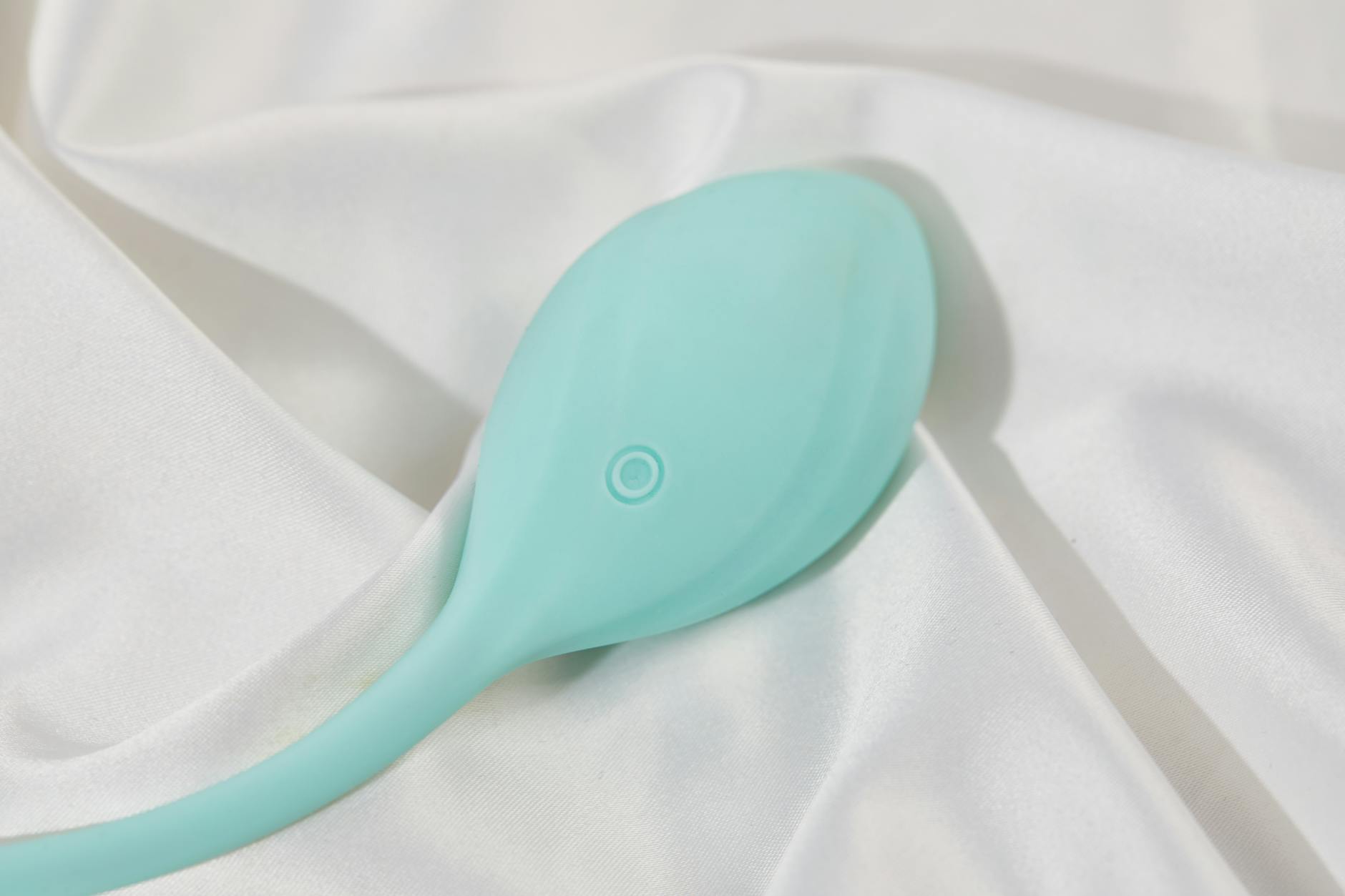
Let's say you're using a lemon clitoral vibrator like the Lem. Here's what works.
The receiving partner controls it at first, not the penetrating partner. This is crucial. You know your body. You know the pressure you like, the patterns that work, the spots that feel best. Handing control to someone else at the beginning adds too many variables. Start at pattern one or two, not the highest setting. You have time.
The other partner stays present. This is not the moment to check out or treat it like you're watching your partner solo. Keep your hands moving, stay close, keep kissing or talking. The toy is an addition to what you're already doing, not a replacement for your presence.
Many couples find that once the receiving partner gets comfortable with the sensation, handing the toy over to the penetrating partner works beautifully. Now you're using it together on the same body, and that coordination builds intimacy fast.
Why lemon vibrators specifically work in partnerships
Clitoral suction toys like lemon vibrators create a different sensation than traditional vibrators. They're less about intense vibration and more about rhythmic pressure that feels remarkably close to what a mouth or hand can do, but sustained and exact.
For partnered sex, this matters because the pressure is localized and controlled. There's no buzzing numbness that sometimes happens with traditional vibrators. You can feel your partner's body, the rhythm they're keeping, the moment they respond. It doesn't create a distance between you.
The learning curve is fast, usually two or three uses. After that, lemon sexual toys feel natural, not foreign.
The emotional part, which is honestly the most important part
The first time you use a toy together, something in your dynamic shifts. Not badly. But it does shift. You're both now owning pleasure more explicitly. You're both seeing each other want more. You're both willing to try something unfamiliar.
That's vulnerability, and vulnerability in bed is where real intimacy lives.
Expect the first time to feel slightly strange. Expect the second time to feel easier. By the third, you'll stop thinking about the novelty and start thinking about what actually feels good. That's the goal.
After, talk about it. Not critiquing, just reflecting. "That felt really good." "I liked when you did X." "I want to try a different pattern next time." These conversations, small as they sound, rebuild the communication muscle that long-term couples often let atrophy.
If something didn't feel good, say so, and try adjusting. Lower the intensity, change the position, start over. There's no failure here. You're gathering data about what your bodies like together.
The practical logistics no one mentions
Have water-based lubricant on hand. Even if natural lubrication is plenty, a toy can feel different, and lube makes everything smoother. Don't use silicone-based lube with silicone toys.
Clean the toy afterward with warm water and mild soap, or use a toy cleaner. This isn't complicated, but knowing beforehand means you're not hunting for supplies in an awkward moment later.
Keep it somewhere you both know about. Not hidden, not secret. Accessible. This signals that it's just part of your shared pleasure, not something to be embarrassed about.
Why couples often say this changes things
Introducing toys into partnership sex often opens a bigger door: permission to talk about pleasure directly. If you can talk about vibrator intensity levels, you can talk about other things too. What you want more of. What you want less of. What you've been quietly wanting but never asked for.
That's the real shift. Not the toy itself. The fact that you've both said yes to exploring, together, without shame.
You might also find that once you're using lemon clitoral vibrators together, exploring other avenues becomes less scary. Communication flows better. Vulnerability feels safer. That's how couples who've been together 10 or 20 years often find that their sex life actually gets richer, not stagnant.
If you're nervous, that's normal
Most people are nervous the first time. The couple who isn't nervous is usually the couple who's already had the conversations that make this easy. If you're anxious, you're probably being thoughtful about it. That's good.
Start slow. Start with conversation. Start with the understanding that you're both choosing this for each other's pleasure and for the partnership. And know that lemon vibrators, because of how they work, tend to feel less clinical and more intimate than many toy options. You're not importing something cold into your bedroom. You're adding something that feels surprisingly natural.
The first time is always the hardest. By the second or third, you'll be comfortable. By the fourth or fifth, it's just part of the rhythm.
Here's the thing I tell couples in my practice: introducing pleasure tools together builds trust. It says, "I want you to feel as much as possible." That's the foundation of a partnership that lasts.
Frequently asked questions
What if my partner feels insecure about using a toy together?
Insecurity usually comes from the belief that the toy will replace them or that wanting more pleasure means something's missing with their partner. Address it directly. "I love sex with you. I want to explore new sensations with you, and I want you to feel good too." Then show them that the toy enhances, not replaces. Let them control it. Let them see how you respond. Seeing your partner's genuine pleasure removes the threat fast.
Is it okay to use a lemon vibrator while having penetrative sex?
Yes, and many couples find this is when it feels best. The clitoral stimulation from a lemon suction toy complements penetration beautifully. Start with communication about positioning and comfort, then adjust as you go. You might need extra lubrication, and you might need to move slightly differently, but it's absolutely workable.
How long does it take to feel comfortable using a toy with a partner?
Most couples feel noticeably more comfortable by the third time. The first time is novelty and slight awkwardness. The second time, you know what to expect. The third time, it starts to feel natural. By the fourth or fifth, you're focused on pleasure, not the fact that you're using a toy.
Should we try a lemon vibrator or start with something less intense?
Lemon clitoral vibrators are actually gentler in some ways than traditional vibrators, because they use suction and rhythm rather than intense buzzing. The sensation is more controlled and localized. That said, start at the lowest setting, have lube available, and go slow. There's no prize for jumping to the highest intensity first.
What if we try it and it just doesn't work for us?
That's fine. Not every tool works for every couple. You've tried it, you've communicated, you've learned something about what you like and don't like. That's data, not failure. You might try again later. You might not. What matters is that you explored together without judgment.
Can using toys together actually improve our relationship?
Not directly, no. Using toys won't fix communication problems or emotional disconnection. But the conversation required to introduce toys, and the vulnerability involved in trying something new together, often creates space for better communication elsewhere. And shared pleasure, experienced without shame, strengthens the physical and emotional bond. So toys don't fix relationships, but the openness they require sometimes does.
What comes after the first time
You've made it through. You tried it. Maybe it was great. Maybe it was a little awkward but okay. Either way, you did something together that required vulnerability and trust.
That's the real win.
What happens next is usually natural. You'll use it again, and each time will feel easier. You might explore other approaches or variations. You might stick with what works. The key is that you've opened a door in your partnership, and that door tends to lead to other conversations about pleasure, desire, and what you both want.
If you want more guidance on this journey, consider talking with a relationship coach or therapist who specializes in couples and intimacy. And if you're ready to start, know that Hello Nancy exists partly to make this easier. Lemon clitoral vibrators are designed for partnership, for communication, and for the real bodies and relationships of people like you.
Your pleasure matters. Your partner's pleasure matters. And exploring together is one of the most direct ways to strengthen both.