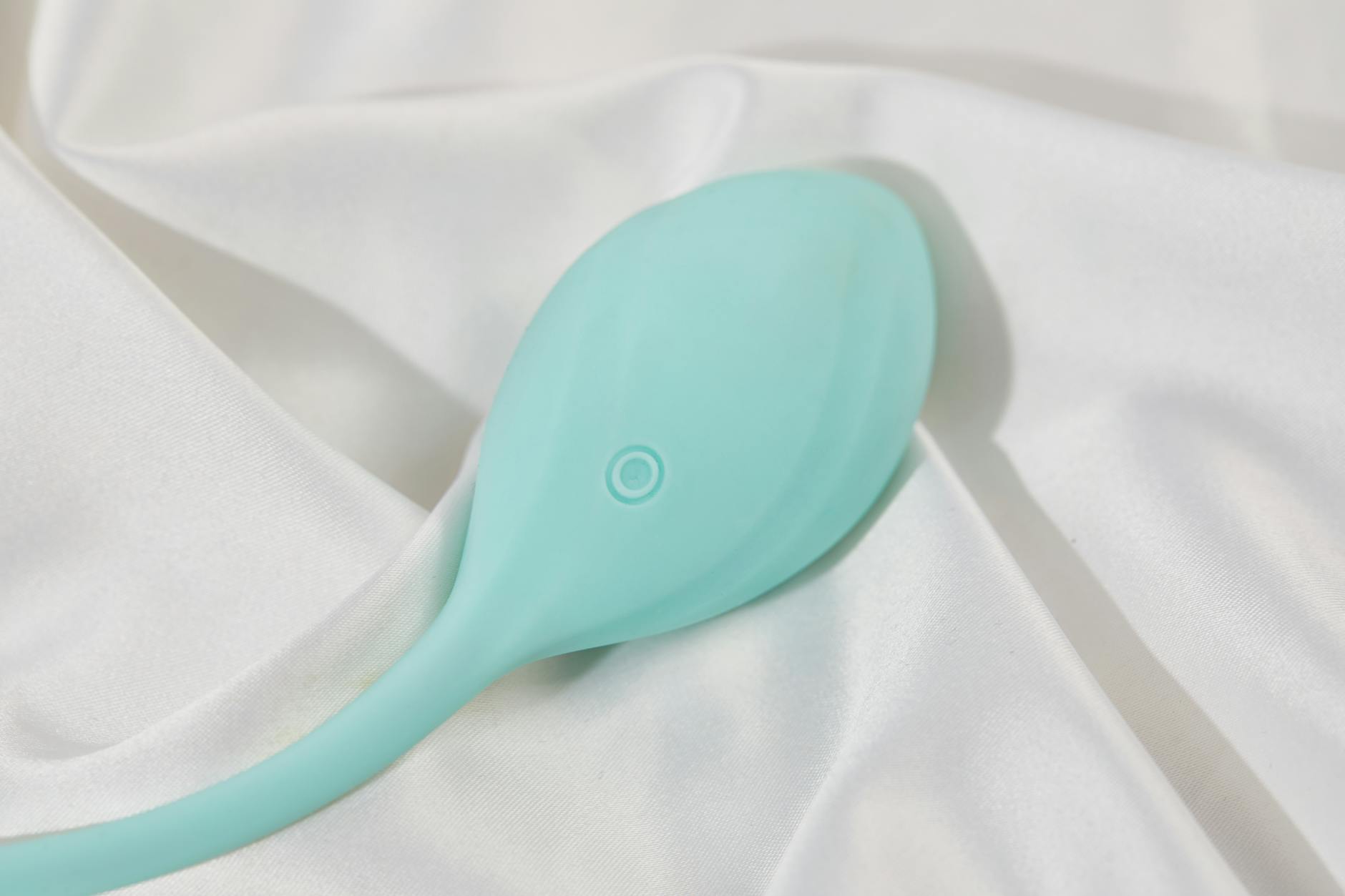
The problem nobody names clearly
Vaginal atrophy is real. It's not rare, not shameful, and it's not something you have to live with. But here's the gap: most people don't understand what it actually does to sensation, so they don't know which tools help and which ones make it worse.
Atrophy thins the vaginal lining and reduces blood flow to the tissue. Both things happen together. Thinner tissue means less nerve density in the immediate area, reduced elasticity, and sometimes pain during penetration. Reduced blood flow means slower arousal, less engorgement, and a kind of numbness that feels like your body has turned the volume down on everything.
Your desire doesn't disappear. Your capacity for pleasure is still there. The signal just gets quieter.
Why traditional vibrators often backfire
This is where the puzzle starts. Most vibrators rely on high-frequency oscillation against direct tissue contact. For atrophied tissue, that's like trying to wake someone up by shaking them harder. The pressure can feel numb or even painful, especially on thinned clitoral skin. And because the tissue needs gentler awakening, the intense stimulation doesn't actually help sensation return. It just fatigues what's already working overtime.
Here's the counterintuitive part: the answer isn't stronger vibration. It's a completely different kind of stimulation.
Why suction changes the game for atrophied tissue
Suction-based stimulation, the kind that lemon vibrators deliver, works on a different principle entirely. Instead of creating vibration through direct pressure, suction gently draws the clitoral tissue up into a chamber. This does three things that oscillation alone cannot.
First, it increases blood flow without requiring the tissue to be hammered. The gentle negative pressure pulls blood into the area, which is exactly what atrophied tissue needs. More blood flow means more sensation, more natural lubrication, and faster arousal. This happens gradually, which is important. You're not shocking the system. You're coaxing it back to life.
Second, suction stimulates a wider area of nerve endings. The clitoris isn't just the visible bump. It's a complex structure with nerve pathways that extend deeper than direct vibration typically reaches. Suction engages those deeper pathways without aggressive pressure, which means sensation returns more completely.
Third, because suction distributes pressure across a larger surface area rather than concentrating it in one spot, it's gentler on tissue that's already compromised. People with atrophy often report that they can use a lemon vibrator longer and more comfortably than traditional vibrators, even at higher settings.
The sensation recovery timeline
This isn't instant, and that's okay. Your body is literally rebuilding tissue health. Blood flow increases relatively quickly. Some people notice warmth and responsiveness within a few sessions. Real structural tissue change takes longer. Over weeks of regular use, the clitoral tissue thickens slightly, nerve density improves, and the numbness lifts.
The timeline varies. For some people, it's four to six weeks. For others, three months. The factor that matters most is consistency. Using a lemon vibrator two or three times a week is more effective than intense but sporadic use. You're retraining your nervous system to expect and respond to stimulation.
Patience here isn't a virtue. It's a strategy. The moment you notice warmth or a slight increase in sensation, your brain is learning that pleasure is possible again.
Pairing suction with lubrication
This is non-negotiable. Atrophied tissue is drier because reduced estrogen means less natural lubrication. A water-based lubricant isn't optional. It protects the tissue from friction, improves the seal that makes suction effective, and feels dramatically better.
Use plenty. More than you think you need. The suction works better when there's a good seal, and lubrication makes that possible without irritation. If you're worried about mess, that's understandable. But mess is a small price for sensation coming back.
Change the lubricant if the first one irritates. Some people react to glycerin or parabens. Glycerin-free, paraben-free water-based lubes exist and work perfectly with lemon clitoral vibrators.
Why partners often notice the shift before you do
One pattern I see over and over: a person recovering from atrophy starts using a lemon vibrator, feels subtle improvement, and doubts themselves. Then their partner notices increased responsiveness and says so. That external observation sometimes matters more than your own internal sense of things.
This is worth mentioning because atrophy often arrives alongside other relationship shifts. Kids, work stress, aging parents, accumulated small resentments. Sometimes the numbness feels emotional before it's physical. A lemon vibrator rewakes physical sensation, which can crack open emotional connection too.
Don't underestimate that. Pleasure returning isn't just physical. It's relational.
When to see a doctor alongside this
Atrophy that's causing pain during sex, significant dryness despite lubrication, or bleeding should be evaluated. Topical estrogen creams (like estriol or estradiol) are highly effective and have minimal systemic absorption. They work alongside suction-based stimulation beautifully. The cream rebuilds tissue; the vibrator retrains your nervous system. Together, they're more effective than either alone.
If you're already using hormone therapy or topical estrogen, a lemon vibrator is an excellent companion tool. You're attacking the problem from two angles.
Sensation recovery is also about permission
Here's what I notice in conversations with people using lemon vibrators for atrophy recovery: they often apologize for the time they're spending on pleasure. They talk about "selfish" solo exploration. That's the cultural garbage talking, not reality.
Rewaking your body's capacity for sensation after atrophy is as legitimate as physical therapy after an injury. It's not indulgent. It's restoration. And the more you give yourself permission to explore, the faster the recovery. Your nervous system needs to know that pleasure is safe, possible, and worth attention.
The sensation you're chasing is closer than you think
Atrophy feels permanent. It's not. Your body's capacity for pleasure hasn't disappeared. It's been muted. And a lemon vibrator, used consistently with patience and lubrication, is one of the most effective ways to turn the volume back up. You might be weeks away from sensation you thought was gone for good.
People also ask
How long does it take to regain sensation with a lemon vibrator?
Most people notice initial warmth and responsiveness within two to four weeks of regular use. More significant sensation recovery typically takes eight to twelve weeks as the tissue gradually thickens and nerve density improves. Consistency matters more than intensity. Using a lemon vibrator two or three times weekly is more effective than sporadic intense sessions. Individual timelines vary based on age, baseline hormone levels, and whether you're using topical estrogen alongside the vibrator.
Can I use a lemon vibrator if I have vaginal atrophy and pain during sex?
Yes, but start gently. Begin at the lowest suction setting and use generous water-based lubricant. The key advantage of suction-based lemon vibrators is that they distribute pressure across a wider area than traditional vibrators, making them gentler on atrophied tissue. If pain persists during exploration, stop and talk to your doctor. Pain is information. You may need topical estrogen cream first before using the vibrator, or you may need a specialist evaluation to rule out other issues.
Does lubrication help a lemon vibrator work better for atrophy?
Absolutely. Lubrication creates the seal that makes suction effective, protects thinned tissue from friction, and feels significantly better. For atrophy specifically, generous amounts of water-based lubricant aren't just a comfort choice. They're functional. The suction mechanism works more efficiently with lubrication, and the sensation is noticeably improved. If standard lubes irritate you, try glycerin-free or paraben-free options.
Is atrophy something I should treat with just a vibrator, or do I need medical help?
Ideal approach: both together. A lemon vibrator retrains your nervous system and increases blood flow through suction, which is powerful. Topical estrogen cream rebuilds the tissue itself. They work on different mechanisms. If you're having pain during penetration, significant dryness despite lubrication, or any bleeding, see a doctor first. Once you've ruled out complications, a lemon vibrator is an excellent home-based tool to accelerate recovery alongside any medical treatment.
Will using a lemon vibrator with atrophy eventually make sensation return permanently?
Sensation improvement with consistent use is quite real and durable. The blood flow and nerve re-engagement created by regular suction-based stimulation appears to persist. That said, atrophy is often hormonal. If your estrogen remains low, some tissue thinning can recur if you stop using the vibrator entirely. The good news: that doesn't mean you need to use it constantly. Many people find that regular but moderate use keeps sensation stable and responsive. Think of it as maintenance, not a one-time fix.
Can my partner use a lemon vibrator on me if I have atrophy, or should it only be solo exploration?
Partner use is wonderful and absolutely possible. Communication matters more here. Your partner should understand the sensitivity of the tissue and start at lower suction settings. The intimate attention and different hand rhythm that a partner brings can actually deepen both physical recovery and emotional reconnection. Many couples find that exploring together during atrophy recovery strengthens their relationship alongside rebuilding sensation. Just keep that water-based lubricant close and check in frequently about pressure and comfort.
Your sensation is worth fighting for
Atrophy dimmed your pleasure. It didn't end it. And the tools you have now, especially something as thoughtfully designed as a lemon vibrator, are genuinely effective at bringing that sensation back. The research backs it up. The clinical observations support it. Most importantly, the people using them report it.
You're not being selfish by choosing sensation recovery. You're honoring your body's capacity for pleasure after a temporary setback. That matters for your confidence, your relationship, and your sense of self. Start low. Use lube. Be patient. Your body remembers how to feel good. It just needs a little thoughtful help to get there.