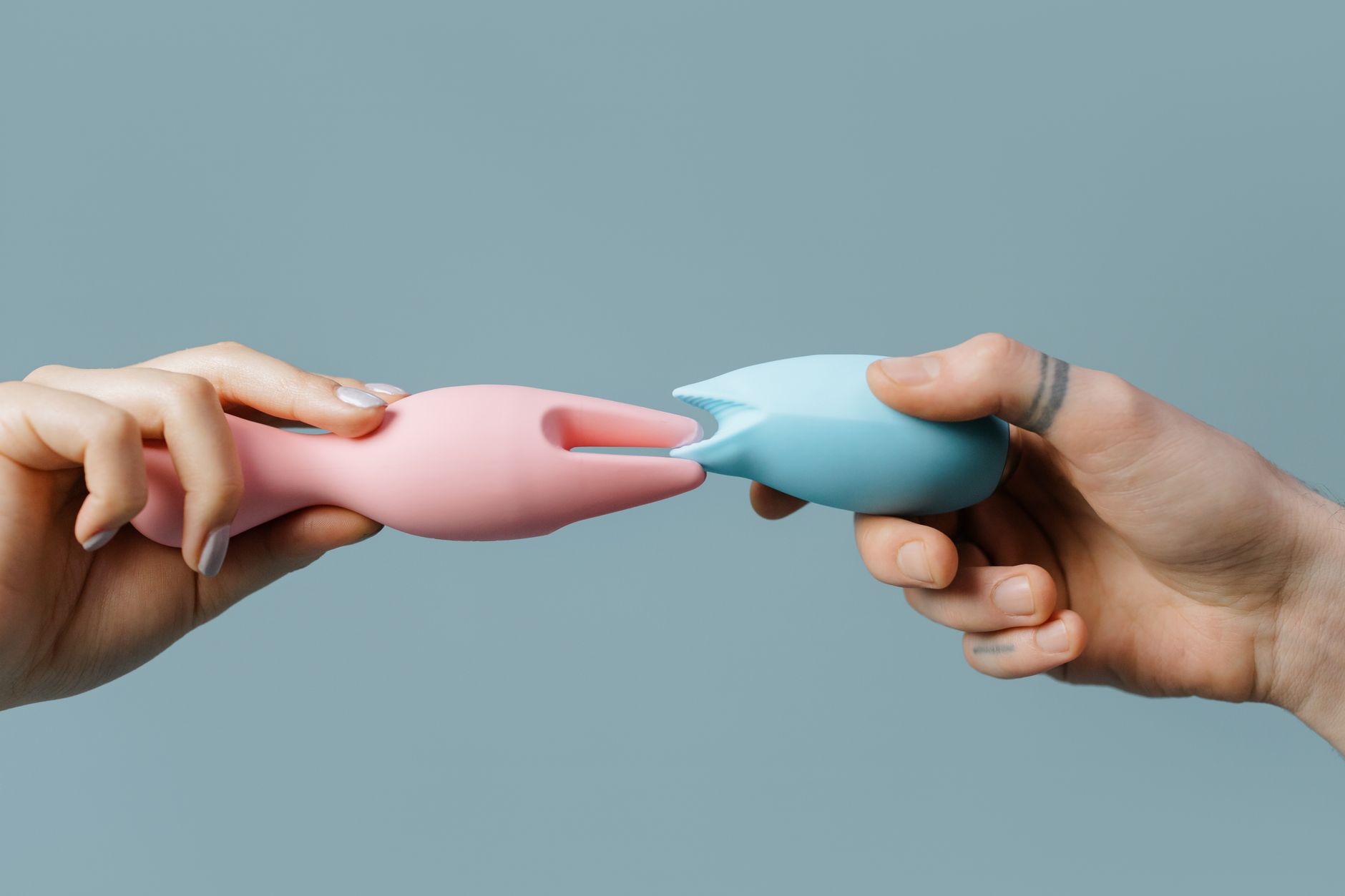
How Lemon Vibrators Help When Your Clitoris Feels Less Responsive Over Time
The honest version of what happens
Your clitoris isn't less sensitive. It's different. There's a massive gap between those two things, and it's worth understanding because it changes everything about how you approach pleasure again.
Over years of routine, stress, hormonal shifts, medication changes, or simply getting older, the clitoral tissue and nerve response adapt. This isn't failure. It's neuroplasticity doing exactly what it's supposed to do. But when you're used to a certain rhythm of arousal and orgasm, adaptation feels like loss.
Here's what I see with clients most often: they've been using the same technique, same pressure, same rhythm for so long that their nervous system has literally learned not to spike as dramatically. Your body stopped wasting energy on a response it already predicted. It's efficient. It's also frustrating as hell.
Why direct stimulation stops feeling like enough
Think about vibration the way your nervous system does. A traditional vibrator provides consistent, direct pressure at high frequency. At first, that feels novel. Your nerves light up. But after months or years of the same stimulus at the same intensity, your nervous system habituates. It learns the pattern and stops responding as urgently.
This is called sensory adaptation, and it happens to every sensory receptor in your body. Touch the same spot on your arm for 30 seconds and you'll feel the sensation fade even though your hand hasn't moved. Your brain decides: "Noted. Not new. Moving on."
With clitoral stimulation, this happens more slowly and more completely because the clitoris has extremely high nerve density. Once the response flattens, traditional vibrators often feel either too intense (almost uncomfortable) or oddly numb (like you're vibrating but nothing's happening).
What air-suction stimulation does differently
Lemon vibrators use air-suction technology, which works on completely different nerve receptors than direct vibration. Instead of buzz, you get gentle rhythmic pressure and release. The sensation isn't repetitive in the way your nervous system has learned to tune out.
Air-suction creates what feels like a tiny mouth on your clitoris. The stimulation pattern is irregular enough to stay novel, intense enough to actually wake up tissue that's been numbed by routine, but not harsh enough to feel uncomfortable. Your nervous system hasn't learned to ignore it yet because it's not the same signal it's been receiving for years.
The clinical research backs this up. Studies comparing air-suction devices to traditional vibrators show higher orgasm rates and stronger sensation reports, especially in people who've experienced long-term numbness. Part of that is the novelty. Part of it is that you're engaging different neurological pathways entirely.
The neurological part that matters most
Pleasure isn't just about tissue. It's about attention. After years of routine, your brain has also learned to check out during sex. Maybe you're thinking about work. Maybe you're monitoring your partner's pleasure instead of your own. Maybe you're just used to the experience feeling the same way.
When you switch to a completely different sensation, attention comes back. Suddenly you're present again because your nervous system is curious about what this new input means. That mental engagement alone restores responsiveness.
I had a client describe it like this: "I'd been using the same wand for eight years. Not really feeling much anymore. The first time I tried air-suction, my brain was like, 'Wait, what is that?' And suddenly I was paying attention. That attention made all the difference."
Age and hormonal shifts complicate everything
If you're in your late thirties or older, reduced clitoral responsiveness usually involves more than just sensory adaptation. Hormonal fluctuations (whether from the menstrual cycle, hormonal contraception, or early perimenopause) change blood flow and tissue texture. Lower estrogen means thinner, more delicate tissue that can feel less sensitive even though it's actually more vulnerable.
This is where lemon vibrators' gentler approach becomes essential. You're not fighting against tissue changes. You're working with them. Air-suction is less likely to cause irritation or pain on tissue that's genuinely more fragile than it was ten years ago.
The suction creates negative pressure rather than direct friction. That pressure actually increases blood flow to the area, which can restore some of the sensitivity that hormonal shifts have diminished. It's not magic. It's just better physics for a different body.
Medication and stress make it worse
SSRI antidepressants, blood pressure meds, antihistamines, and hormonal contraception can all dampen clitoral response. So can chronic stress, sleep deprivation, and anxiety. If you're dealing with any of those things, your clitoris isn't less responsive because of age or routine. It's less responsive because your nervous system is literally flooded with cortisol and your brain's reward pathways are suppressed.
Lemon vibrators can't fix the medication or the stress. But because they work differently, they sometimes create enough novel stimulus to bypass the dampening effect temporarily. Some of my clients find they can orgasm with air-suction when they can't with traditional vibration, even on the same day their medication makes everything feel muted.
The practical adjustments that work
Here's what I recommend to every client dealing with reduced clitoral responsiveness:
Start with exploration, not orgasm. Use lemon vibrators without the goal of coming. Just feel what different patterns and intensities do. Reacquaint yourself with your own body's signals. This takes the performance pressure off and lets actual sensation return.
Use the lower settings first. Don't jump to maximum suction. Start at pattern one or two and spend five minutes just noticing. Your nervous system needs time to recognize that this is different from what it's been experiencing.
Combine it with partnered touch. If you have a partner, have them touch you elsewhere while you use the lemon vibrator. This increases overall stimulation and reminds your brain that pleasure is multisensory, not just about the clitoris.
Pay attention to the buildup, not just the finish. Responsiveness often returns gradually. The first sign is usually that arousal builds faster or more completely than it has in months. That's the signal that things are shifting.
Change the context. If you always use toys at night in bed, try afternoon. Try a different room. Try with music. Context switching also helps reset your nervous system's expectations.
When to talk to someone
If clitoral numbness comes with pain, loss of desire that feels sudden, or major mood changes, see a gynecologist or menopause specialist. Reduced responsiveness is normal aging. Sudden loss of sensation or pain isn't.
If you've been using lemon vibrators for three weeks and notice absolutely zero difference, that might be a sign that something else is at play. Hormonal imbalances, pelvic floor dysfunction, or vascular issues can all reduce clitoral blood flow in ways that a vibrator alone can't fix.
What actually comes back
One thing I want to be clear about: your clitoris doesn't go backwards in age. Responsiveness that's been absent for years sometimes returns fully. Sometimes it returns differently. What I see most often is that people find a new baseline that works.
They're not chasing the orgasms they had at twenty-five. They're discovering that the orgasms they can have now, with attention and the right tool, are actually deeper. That loss of the rapid, reactive response sometimes means more sustained pleasure instead. It's genuinely better in ways that younger bodies don't get to experience.
Using a lemon vibrator in this phase often becomes about relearning your own pleasure rather than fixing what's broken. And almost always, when people step into that reframing, responsiveness comes back differently but it comes back.