
Here's the thing about warm-up time
Your body isn't wired to go from zero to one hundred in three minutes. That's not a flaw. That's biology. Yet somehow the narrative around sex often treats lengthy warm-up like a problem to solve rather than a normal variation in arousal timing.
Between 40 and 60 percent of people report needing 15 to 25 minutes of foreplay before they feel ready for penetration or are even interested in it. That number doesn't mean anything is wrong. It means your nervous system has a particular rhythm, and recognizing that is half the battle.
When warm-up time feels essential rather than optional, the dynamic in the bedroom shifts. Foreplay stops being an appetizer and becomes the main event. And that's when tools like lemon vibrators start earning their place, because they transform extended foreplay from something that feels like work into something that actually feels good.
Why your body legitimately needs more time
Arousal isn't a switch. It's a cascade. Your nervous system has to shift from sympathetic (fight-or-flight) to parasympathetic (rest-and-digest). Blood flow to your genitals increases gradually. Lubrication builds. The clitoris engorges. Your pelvic floor muscles begin to relax. None of this happens at sprint speed.
For some people, this physiological sequence takes five minutes. For others, especially those managing stress, recovering from hormonal shifts, or rebuilding connection after distance, it takes twenty or thirty.
That's not a deficit. That's your baseline.
The problem shows up when there's a mismatch between your warm-up timeline and your partner's readiness. They're ready at minute five. You're ready at minute twenty. Suddenly foreplay feels awkward or pressured, and you're rushing your own body to catch up.
The burden of the 'quickie' culture
We live inside a cultural narrative that treats efficient sex as aspirational. Fast orgasms. Spontaneous combustion. Minimal preamble. It's everywhere from comedy to advice columns, and it creates shame around bodies that simply don't work that way.
If your arousal tempo is slower, you might feel like you're holding your partner back. Or you might convince yourself that something in your body is underperforming. Neither is true. You're just operating on a different timetable.
The irony is that extended warm-up often leads to better orgasms, deeper relaxation, and more genuine pleasure. You're not losing time. You're gaining sensation.
How lemon vibrators reframe the warm-up conversation
When foreplay extends beyond ten minutes, having a tool that creates consistent, pleasurable stimulation changes everything. Instead of your partner doing the same manual motions for twenty minutes (which gets tiring for them, which you notice, which stresses you out), a lemon clitoral vibrator becomes a collaborative presence.
You can use it on yourself while your partner does other things. You can use it together. You can build arousal gradually with lower intensity patterns while staying connected.
The best part: lemon vibrators are designed for external clitoral stimulation without aggressive direct pressure. That means during the early stages of warm-up when your body is still settling into arousal, you can use gentler patterns to build sensation slowly rather than ramping up to high intensity right away.
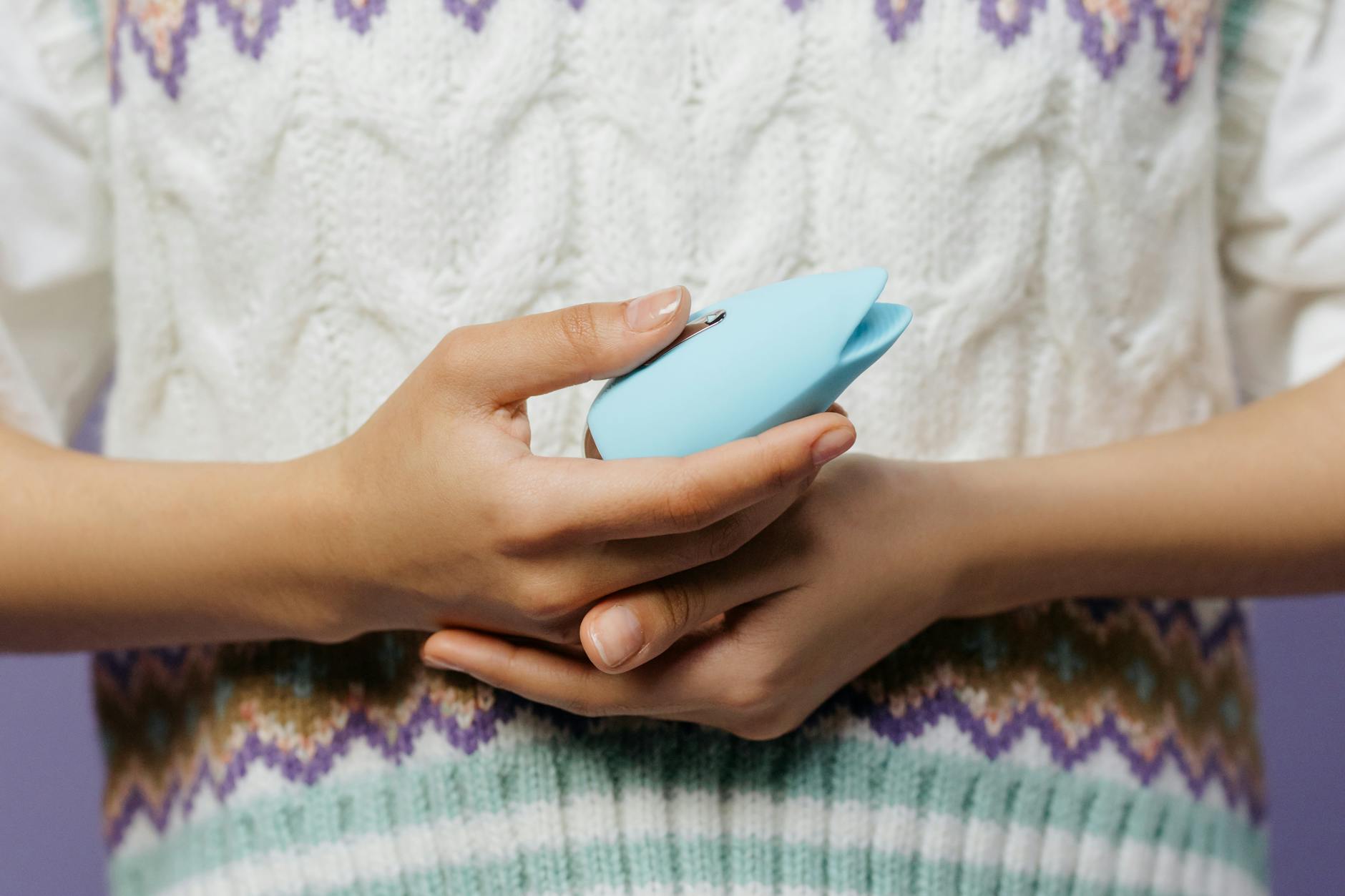
Photo by cottonbro studio on Pexels
The practical framework for extended foreplay
If you know your body needs real warm-up time, build that into your planning. This sounds unsexy until you actually do it, and then it becomes liberation.
Tell your partner: "I need about twenty minutes to feel fully turned on. That's not negotiable. Let's build that into our time together."
Then use that time intentionally. Start with whatever feels good at low intensity. That might be manual touch, kissing, or using a lemon vibrator on pattern one or two. The goal is sensation, not orgasm. You're feeding your nervous system the signal that it's safe to downshift.
Around minute ten, you might increase intensity. By minute fifteen, your body is usually ready for more direct stimulation or penetration if that's what you want. By minute twenty, you often have the option to skip penetration altogether because the clitoral stimulation alone feels complete.
This isn't a schedule carved in stone. It's a map. Your body will let you know when each stage feels natural.
When warm-up time needs a partner conversation
If you've been managing mismatched arousal timelines silently, it's time to name it. Your partner probably doesn't realize you're rushing, and you probably don't realize they're bored.
Say this: "I've realized I need longer to warm up than I thought, and I don't want that to be awkward. I'm actually more satisfied when we build in that time. Want to explore that together?"
Most partners will say yes. Many will admit they prefer it too. Some will appreciate the permission to go slower themselves.
Then introduce whatever tools actually help. If that's a lemon clitoral vibrator, great. If it's longer kissing or manual touch, also great. The tool isn't the point. The point is both people feeling good in their own timeline.
Building confidence in your actual arousal pattern
One of the most underrated moves is simply accepting that your warm-up time is your warm-up time. No apologies. No "I'm sorry it takes me so long." Your nervous system has a rhythm. That rhythm exists independent of what anyone else needs.
When you stop treating your warm-up as a problem, you also stop unconsciously rushing it. Paradoxically, that often makes the whole process faster because you're not fighting your own body.
Using lemon vibrators during this extended warm-up phase works partly because the stimulation is consistent. Your body doesn't have to decode or compensate. It can just respond. That frees up mental energy for actually feeling pleasure instead of worrying about timing.
A note on medication and medical factors
Some medications genuinely do slow arousal. Certain antidepressants, blood pressure meds, and hormone therapies can all extend the warm-up timeline. That's not a character flaw. That's pharmacology.
If your warm-up time increased suddenly after starting a new medication, worth mentioning to your doctor. Sometimes switching timing or dosage helps. Sometimes you just adjust your expectations. Either way, knowing the cause takes away some of the self-blame.
If warm-up time has always been part of your pattern, you're looking at natural variation, not dysfunction.
FAQ: Your warm-up questions answered
Is it normal to need 20 minutes or more to get aroused?
Completely normal. Research suggests that between 40 and 60 percent of people, especially women and people with vulvas, need fifteen minutes or more of foreplay to feel ready. This is particularly true during midlife, after hormonal shifts, or during periods of stress. Your timeline is valid.
Can lemon vibrators help speed up arousal?
Not exactly. But they can make extended warm-up feel less tedious. The consistency of stimulation from a lemon clitoral vibrator means your body gets uninterrupted sensation, which some people find more efficient than manual touch. That said, the goal isn't speed. It's pleasure. A slower warm-up with good sensation often leads to better orgasms than a rushed one.
What if my partner gets bored during my warm-up time?
That's a conversation, not a problem to solve alone. Your partner can use the time differently. They can be present but not active. They can read a book nearby. They can use their own vibrator. The warm-up is for your arousal, not for keeping them entertained. Set that boundary clearly.
Should I be using a vibrator during warm-up or after I'm already aroused?
Both. Some people use a lemon vibrator right from the beginning on lower intensity as part of the warm-up itself. Others use it once arousal has started to build. There's no rule. Pay attention to what your body actually wants in the moment.
Does needing more warm-up time mean I have low libido?
No. Warm-up speed and libido are different things. You can have strong desire and still need twenty minutes to fully arrive in your body. You can also have weak desire that shows up quickly. They're not connected. Your need for extended warm-up is about arousal timing, not interest level.
How do I know if my warm-up time is normal or if something's wrong?
If your warm-up timeline has been consistent your whole life, it's your baseline. If it changed suddenly, that's worth investigating. New stress, new medication, relationship shifts, hormonal changes, and medical conditions can all shift arousal speed. But a consistent need for fifteen or twenty minutes is just how your body works, not a sign of dysfunction.
The real gift of accepting your warm-up
Here's what happens when you stop fighting your arousal timeline and start working with it: foreplay becomes foreplay again instead of a hurdle. You feel more pleasure because you're not distracted by worry. Your partner gets to participate in something that actually feels good for you instead of checking off a box.
Tools like lemon vibrators fit into that framework because they turn extended foreplay into something collaborative and pleasurable for everyone. You get consistent stimulation. Your partner gets to contribute without their hands getting tired. Everyone feels better.
Your body's actual rhythm isn't slow. It's just yours. And that's exactly the speed you need.