Here's the thing about anxiety and arousal
Anxiety doesn't just live in your head. It lives in your body. When your nervous system is activated, your brain literally redirects blood flow away from the genitals and toward your muscles (fight-or-flight response). You can want sex intellectually and still find your body completely offline. That's not a malfunction. That's biology working against you.
Most people blame themselves or their partner when arousal stalls, but the real culprit is often chronic stress, past sexual experiences, relationship tension, or just the background hum of daily worry. A lemon clitoral vibrator works here because it bypasses the usual pathways. It generates stimulation without requiring you to feel relaxed first.
Why anxiety blocks arousal in the first place
When you're anxious, your parasympathetic nervous system (the one responsible for arousal) takes a backseat. Your sympathetic nervous system is in charge, scanning for threats. Your pelvic floor tightens. Your clitoris actually becomes less sensitive because blood flow is reduced. You're literally neurologically unavailable.
The second piece is psychological. Anxiety often carries performance pressure. You're thinking about whether you're taking too long, whether your body looks right, whether your partner is bored. That internal monologue is incompatible with pleasure. You can't be present and anxious simultaneously.
Third, anxiety often appears alongside depression or trauma responses. Your body might have learned to shut down arousal as protection. Unlearning that takes time, but it's possible with the right tools.
How lemon vibrators work differently when you're anxious
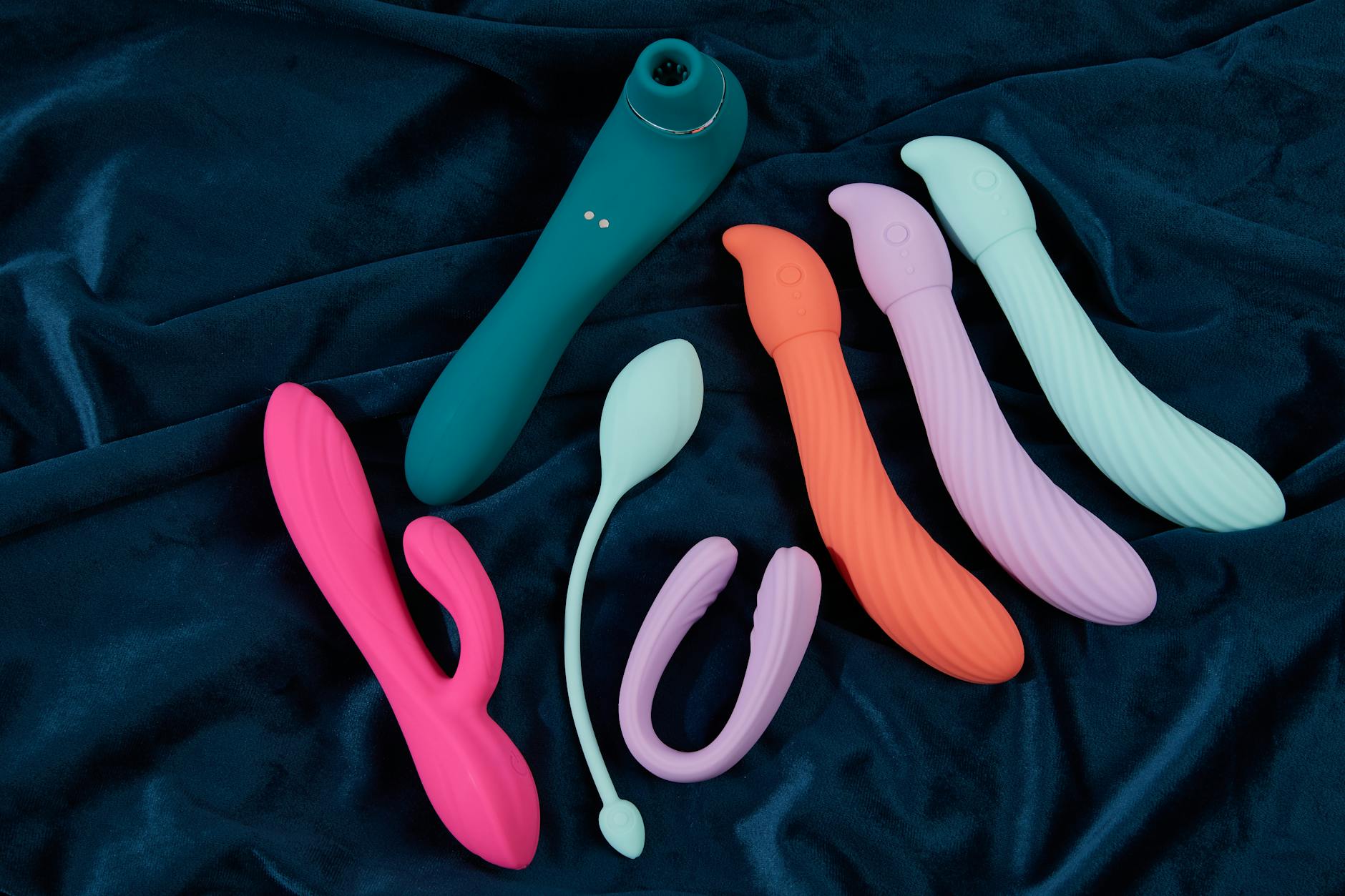
A lemon clitoral vibrator (like the Lem) applies consistent, controlled stimulation that doesn't require you to be calm first. Unlike fingers or wands, the suction mechanism bypasses the need for direct pressure, which many anxious people find overwhelming or triggering. The sensation is more contained, more predictable, less demanding.
Second, there's a neurological advantage. The repeated, rhythmic stimulation actually helps activate the parasympathetic nervous system over time. You're essentially teaching your body that pleasure is safe through repetition and control. You're in charge of the intensity, the timing, the speed. That agency matters enormously when anxiety has left you feeling powerless.
Third, because the clitoral vibrator requires less warm-up time than traditional methods, you can access pleasure without the extended foreplay period that anxiety often derails. You can start at a lower intensity and build, rather than needing to be fully relaxed before anything begins.
Starting with a lemon vibrator when anxiety is high
Don't assume you have to use it the way the instructions suggest. Here's how I recommend approaching it when anxiety is in the driver's seat.
Start alone. No partner pressure, no performance expectations. Use the Lem on the lowest setting (usually pattern 1 or 2) for just 3-5 minutes while sitting or lying down. The goal is not orgasm. The goal is to notice sensation without judgment. Anxiety loves judgment. Every time you catch yourself thinking "Is this working? Am I doing this right?" just notice it and return to the sensation.
Use water-based lubricant. It reduces friction, makes the experience gentler, and prevents you from holding tension in your pelvic floor. Tension and arousal can't coexist.
Pay attention to your breathing. Anxious people hold their breath or breathe shallowly. Set a small goal of taking five deep breaths before you start. During stimulation, try to exhale longer than you inhale. This activates the parasympathetic nervous system.
Keep sessions short initially. Five to ten minutes of low-intensity use is better than twenty minutes of high intensity when you're managing anxiety. Your nervous system learns safety from consistency, not from duration or intensity.
Building trust with your body again
Anxiety often means you've lost trust in your body. It's let you down. It's betrayed you. Maybe it shut down when you wanted it to respond. Maybe it responded when you wanted it to shut down. A vibrator can help rebuild that trust, but only if you approach it without the same performance pressure that broke it.
The lemon clitoral vibrator is good for this because it removes some of the variables. Your partner isn't watching. You're not dependent on your mind being quiet or your body being in a specific state. The device just does what it does, and your job is to notice what happens without trying to force an outcome.
Over weeks and months of regular, low-pressure use, anxious people often find that their body's arousal capacity returns. Not because the vibrator fixed them, but because they've gradually proven to themselves that pleasure can be safe, predictable, and entirely within their control.
When anxiety is tied to your relationship
If your anxiety about arousal is connected to your partner (performance pressure, past infidelity, different desire levels), the conversation needs to happen separately from the tool. A lemon vibrator can help you reclaim solo pleasure, which is step one. But step two is usually a real conversation about what you both need.
Sometimes using a clitoral vibrator together helps partners reset the dynamic. Instead of penetration-focused sex, you're exploring pleasure in a different way. That can ease the pressure and let both people relax. But that only works if you've talked about why the pressure exists in the first place.
Layering other anxiety management alongside the vibrator
A lemon vibrator is a tool, not a cure. If your anxiety is severe enough that it's affecting multiple areas of your life, it deserves actual treatment. That might mean therapy, medication, somatic work, or all three. A vibrator works best when you're also managing anxiety through other means.
That said, the small wins matter. When you use a clitoral vibrator and feel pleasure for the first time in months, your nervous system gets evidence that arousal is still possible. That evidence compounds. Each small success teaches your brain that safety and pleasure can coexist.
Why consistency beats intensity
Most people approach their first lemon vibrator session expecting an earth-shattering orgasm. When anxiety is present, that expectation usually backfires. You end up disappointed, which feeds the anxiety cycle.
Instead, think of the first month as practice sessions. You're teaching your nervous system that this tool equals safety. Low intensity, short duration, no pressure on outcome. After a few weeks of that baseline, you can start experimenting with longer sessions or higher intensities.
People often report that their first truly satisfying experience with a clitoral vibrator comes in week three or four, not week one. That's normal. Your nervous system needs time to learn that pleasure is safe.
When to bring your partner in
If you're in a partnered relationship, there's usually a moment where it makes sense to involve them. That moment is when you've already had a few good solo experiences and you're feeling less anxious about the process.
Many couples find that using a lemon clitoral vibrator together actually reduces performance pressure instead of adding it. Because the focus is on the vibrator, not on the partner's ability to create arousal, everyone's anxiety can soften a bit. You're exploring together rather than one person performing for the other.
But that only works if you've laid groundwork. Use the vibrator solo first. Build trust with your own body. Then, when you're ready, introduce your partner as a supportive observer or gentle participant.
FAQ: Anxiety, Arousal, and Lemon Vibrators
Will using a lemon vibrator make my anxiety worse if I'm already stressed?
Not if you use it with low expectations and low intensity. The key is removing pressure. If you go into a session thinking "This better work," you'll activate the same anxiety response that blocks arousal. Instead, approach it as a gentle experiment. Most people find the repetitive, rhythmic stimulation actually calms their nervous system over time. If you feel more anxious during or after, that's a sign to slow down, reduce intensity, or take a break.
How long before a lemon vibrator helps with anxiety-related arousal issues?
That varies wildly. Some people feel a shift within two or three sessions. Others take weeks. The timeline depends on how long the anxiety has been running and how much it's affected your nervous system. What matters is consistency and patience. Use the vibrator the same way at the same time several times a week. Don't chase the orgasm. The arousal improvement often shows up as a side effect once you stop making it the goal.
Can I use a lemon clitoral vibrator if I have sexual trauma?
Maybe, but you need professional support first. Sexual trauma changes how your nervous system responds to stimulation. A vibrator might feel triggering or overwhelming. If you have trauma, work with a trauma-informed therapist before introducing any tool. Once you've done some of that work and you feel ready, a lemon vibrator with its predictable, controllable stimulation can actually be really helpful. But it's not a first step.
What if I can't feel anything when I use a lemon vibrator?
That's common when anxiety is high because blood flow to the clitoris is reduced. Don't interpret it as a tool failure. Instead, it's information that your nervous system is still pretty activated. Try using it while lying down, with full attention on your breathing, for just three minutes at the lowest setting. Add water-based lube to reduce any friction discomfort. If you still feel nothing after a few sessions, it might mean you need to address the underlying anxiety through therapy or other means before the vibrator will be useful.
Is it okay to use a lemon vibrator every day if anxiety is blocking arousal?
Daily use is fine, but keep sessions short (five to ten minutes) and low-intensity, especially at first. You're not trying to reach orgasm every time. You're retraining your nervous system that pleasure is accessible. In fact, shorter, more frequent sessions often work better than longer sessions because they maintain consistency without building pressure. Once you feel improvement, you can experiment with longer or more intense sessions.
Should I tell my partner I'm using a lemon vibrator to manage anxiety-related arousal loss?
That depends on your relationship and how you've communicated about sex before. If you have a partner, honesty is generally better than secrecy, but timing and framing matter. Instead of "I need this because sex with you isn't working," try "I'm managing some anxiety around pleasure, and I want to rebuild trust with my own body first." Many partners are relieved to know there's a plan instead of just noticing that arousal has disappeared. If your relationship has other trust issues, that conversation might need to happen in couples therapy.
You're not broken
Anxiety doesn't mean you've lost the ability to feel pleasure. It means your nervous system is in protection mode. A lemon vibrator works because it slowly teaches your body that arousal is safe, that pleasure is possible, and that you're in control. That's not a substitute for addressing the anxiety itself, but it's a powerful tool alongside therapy, conversation, and time. The goal isn't to force pleasure back. It's to create conditions where pleasure can gradually return on its own.
If you're ready to explore, start small. Use the Lem on the lowest setting, alone, with no expectations except to notice what you feel. That's enough. That's actually everything.